Honoring our elders — והדרת פני זקן
Sadly, some participants in renewal projects treat the older residents as a burden, or as refusers standing against the majority's will. That attitude is mistaken. A guiding rule for succeeding in life: step for a moment into the other side's shoes. Many elders have lived most of their lives in that old building — for some it is the landscape of their childhood. Change at an advanced age can be stressful, above all in the safest place they have: their home. So before rushing to objections and 'refusing resident' procedures — listen. Understand the needs and the fears. You may find the gaps are not that large, and that the journey is far better traveled in cooperation and kindness.
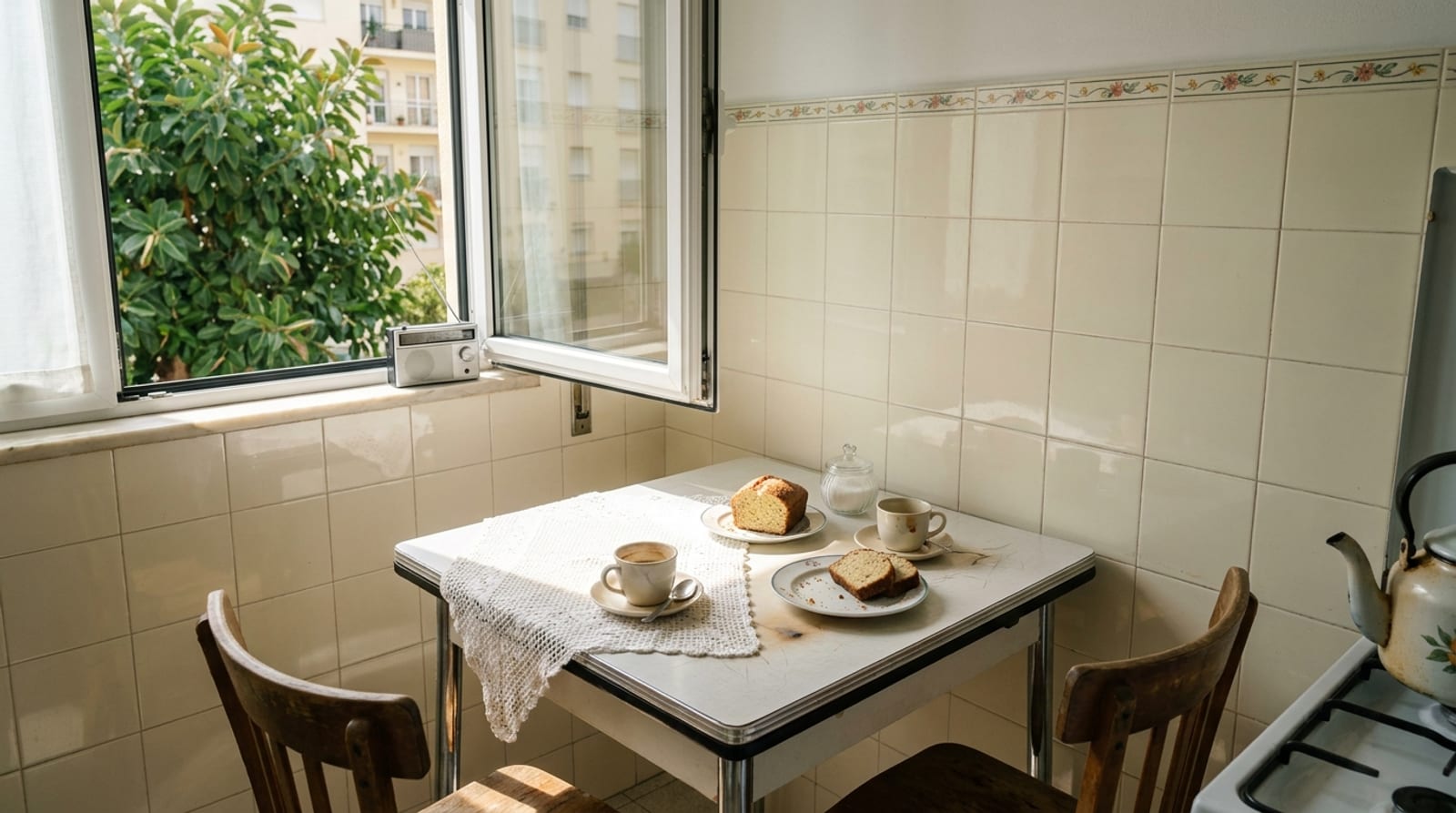
Who counts as an elder?
The right divides into two categories by the owner's age — 70+ and 75+ — for an owner who lived in the apartment for at least two years at the signing of the building's first renewal deal.

What is the elder entitled to?
At 70+/75+, the baseline is an offer of the 'compensation apartment' — a home in the renewed building. Beyond it, the alternatives below have to be put on the table, or the owner's refusal is not treated as unreasonable: for a 70+ owner, at least one of the following three (developer's choice); for a 75+ owner, the choice among Alternative 1's options (and alternatives 2–3 may be added):
- Alternative 1.1 — moving to a retirement residence, with the difference to the compensation apartment's value paid in cash;
- Alternative 1.2 — purchase of an alternative apartment at the compensation apartment's value, located as near as possible to the elder's home if requested;
- Alternative 1.3 — a cash amount at the compensation apartment's value, for the owner to buy an alternative apartment with all or most of it;
- Alternative 2 — two smaller apartments in the project, with a combined value equal to the compensation apartment's;
- Alternative 3 — a compensation apartment with a smaller floor area, with the difference up to the compensation apartment's value paid to the owner in cash.
Why respect matters — legally too
The law protects elderly owners. If the developer failed to put before the elderly owner the alternatives the law describes — at least one of them, and from 75 specifically the first — the elder may refuse to join the project, and the refusal is not treated as unreasonable. (An owner may refuse a renewal deal for reasonable grounds and in effect hold the project back; where a court finds the refusal unreasonable, it may charge the refuser with compensating the other owners.)

Special populations in an urban renewal project
Beyond the elderly, the law names 2 more groups whose refusal is not treated as unreasonable if the developer did not offer them comparable alternatives:
- a person who is terminally ill;
- a person entitled to a long-term care benefit from Israel's National Insurance Institute (Bituach Leumi) at level 5 or 6, who was living in the apartment when the building's first renewal deal was signed.
Where the owner has a disability, or someone living with the owner does, the offer has to include an apartment adapted to their needs for the construction period and an adapted new apartment, giving them safe, independent access to the apartment or to the common areas that serve it. If these were not offered, the refusal is not treated as unreasonable.
It is good practice for the developer to also help with the costs of packing, unpacking, and furniture reassembly, and, where needed, with finding an apartment for the construction period.
The above is initial information only and does not constitute legal advice or a substitute for it, and nothing stated above constitutes a recommendation to initiate legal proceedings or to refrain from doing so. Consult an attorney who practices in the field before taking any action. For the avoidance of doubt, responsibility for any consequence of relying on the above rests with the user alone.
A question about this in your own file? Write to us — you will get an answer on the merits, not a brochure.
A preferred source just means you'll see our new articles more often in Top Stories next time you search a topic like this. It's also a nice way to say thanks.
Add as a preferred source on Google (opens in a new tab)
General information — not legal advice.