Planning and building, development rights and betterment levy — before the committees and the appeals tribunals
Value is decided in committee.
What your plot is worth is not decided by what stands on it today, but by what will be permitted to stand on it. That is settled in committee rooms, on a timetable that is published rather than posted to you. That is where the plan that changes your view gets approved, where the betterment levy is born, and where a permit application is refused. We get involved while there is still something to influence.

From the plan that applies — to the assessment that arrives at the end.

Planning & zoning
What your property is worth is decided by what may stand on the plot, not by what stands there today. The planning file settles that: which plan applies, how much unused building right is left, what was built without a permit, and which plan is on deposit at the committee right now, about to change the rules. Most owners meet this layer too late — after a contract is signed, when a permit application is refused, or when a betterment levy nobody priced in lands on the table. We get there first.
What we do
- We read the planning position in full: the plans applying to the plot, the building file at the local authority, and what is currently moving through the committees.
- We compare what physically exists against what the permit approved — extensions, enclosed balconies, sub-divided units — and assess the exposure of whoever holds the property today.
- We quantify unused building rights, and what can realistically be sought by way of a variance or non-conforming use.
- We check betterment levy exposure before signing: the levy is half of the betterment (s.3 of the Third Schedule to the Planning and Building Law), which in a transaction means tens of thousands of shekels and up.
- We run the permit application with the committee — the pre-conditions, the terms written into the decision, and the deadlines it sets.
- We anchor all of it in the contract: representations on planning status, allocation of levies and fees, and conditions precedent where they belong.
Where deals stall
A written planning picture of the property — what is permitted, what deviates, what is exposed and what it costs — before you sign.
Planning institutions & appeals
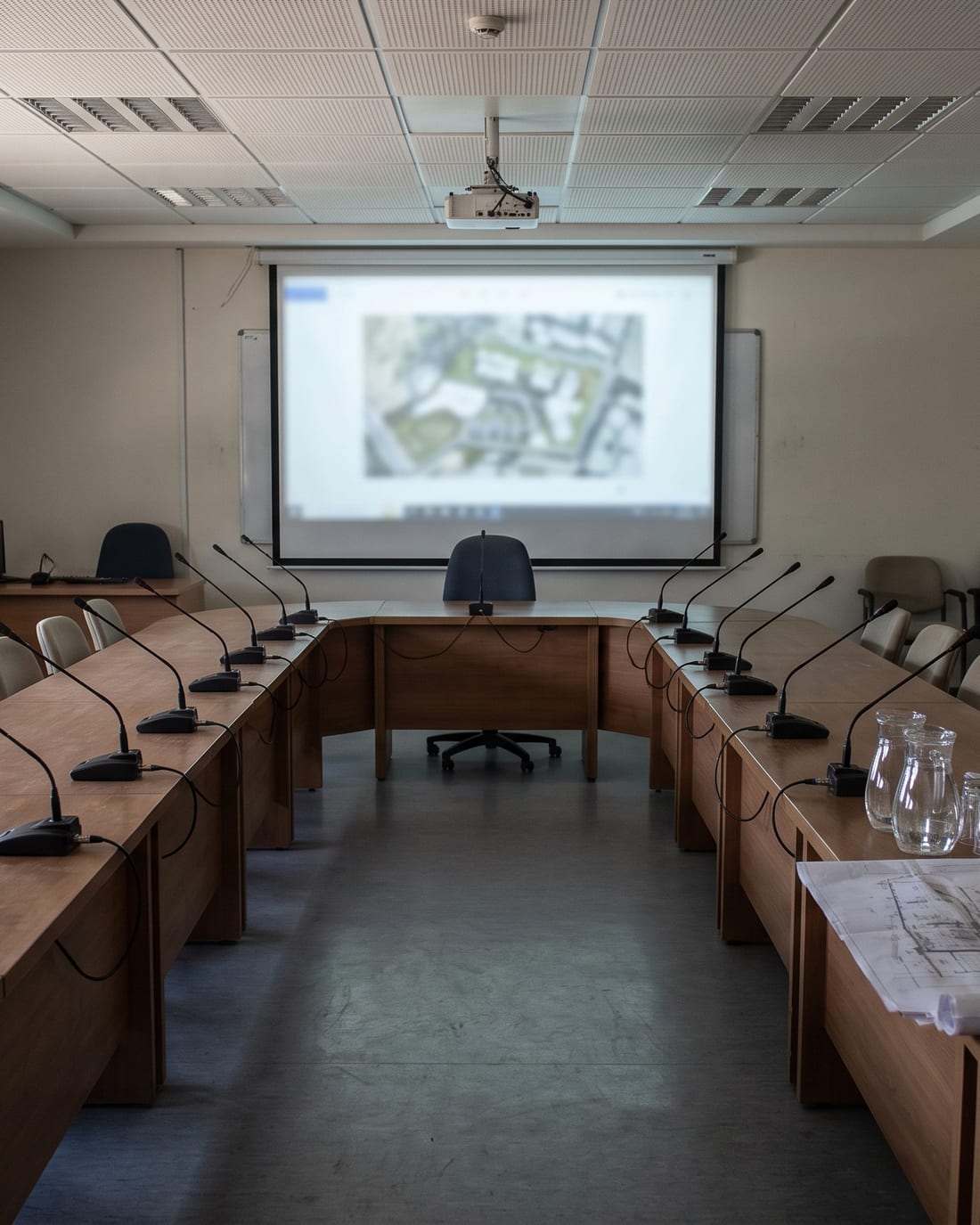
The decisions that move your property's value are taken in committee rooms: the local committee, the district committee, the appeals committee, and alongside them a separate appeals committee for compensation and betterment levy. Each has its own jurisdiction, its own procedure and its own clock. That is where the plan that will block your view gets approved, and where your permit application gets refused. Arrive in time, with a reasoned and evidenced case, and you are inside the process. Arrive after, and you are knocking on a door already locked.
What we do
- We track what touches the property: plans on deposit, neighbors' permit applications, and committee decisions that reshape the plot's surroundings.
- We file reasoned objections at the deposit stage — with the factual and valuation groundwork needed for them to be taken seriously.
- We appear at the hearing: before the committee, before an examiner appointed to hear objections, and before the appeals committee.
- We appeal to the appeals committee against a local committee or local licensing authority decision — refusal of a permit, or rejection of an objection that was filed (s.152(a)(1) of the Law).
- We go to the appeals committee for compensation and betterment levy on the matters the Law reserves to it — levy assessments and decisions on compensation claims.
- We exhaust the planning process, and where an administrative ground remains, we petition the Administrative Affairs Court.
Where deals stall
Presence in time, before the right forum, with a case argued on its merits.

Land betterment
Betterment is the gap between what the land is permitted to do today and what it could be permitted to do. That gap is created in a planning process, not in a purchase agreement. Anyone buying land on potential needs two answers before signing: how long the process is likely to take, and who carries the betterment levy when the potential is realized. Both are established before a price is named.
What we do
- Establish what the applicable plan permits today and what is pending before the committees, before any commitment.
- Advance plans, variances, and non-conforming uses before the planning institutions, including handling objections.
- Map betterment levy exposure and the point at which liability crystallizes under the Third Schedule.
- Allocate the levy between the parties in the agreement itself, rather than leaving it to interpretation.
- Handle consolidation and division where betterment requires the plots to be reorganized.
- Structure joint ventures with defined decision, funding, and exit mechanisms.
Where deals stall
A full planning and tax picture of the land's potential before the commitment, not after it.
What we get asked about planning and betterment
What is a betterment levy and how much is it?
A betterment levy is a payment to the local committee for the rise in land value created by approval of a plan, by a variance, or by permission for a non-conforming use. Section 3 of the Third Schedule to the Planning and Building Law provides that the rate of the levy is half of the betterment. Liability arises with the betterment itself and falls due when the rights are exercised — usually on a sale or on the issue of a permit. Pinui-Binui (evacuation-and-rebuild) plans have their own provision in s. 3A, and we deal with that whole subject on the urban renewal page.
The betterment levy in urban renewal: our renewal pageWe built an extension to the apartment. Is there an exemption from the levy?
There is a defined exemption, and it is bounded by floor area. Section 19(c)(1) of the Third Schedule exempts the construction or enlargement of a residential apartment on the conditions it lists, among them that the total area of the apartment after construction or enlargement does not exceed 140 square meters. The exemption also carries conditions about the holder of the land, or a relative, living in the apartment. So it is tested against the figures for the specific apartment, rather than assumed.
A plan has been deposited next to my house. Can I object?
Yes, and the right is express. Section 100 of the Planning and Building Law provides that any person interested in the land, the building or any other planning detail, who considers themselves aggrieved by a deposited district, local or detailed plan, may file an objection. The window is fixed and published with the deposit notice — it does not arrive in your mailbox. An objection filed on time, with factual and valuation groundwork behind it, is the point at which influence over the plan is still in your hands.
The local committee refused my permit. What now?
You appeal to the appeals committee. Section 152(a)(1) of the Law gives a right of appeal to anyone aggrieved by a decision of a local committee or a local licensing authority refusing a permit, or rejecting an objection that was filed. Note that the Law recognizes two separate appellate bodies: the appeals committee, and the appeals committee for compensation and betterment levy, each with its own subject matter. The filing deadline is fixed and varies by type of appeal, so it is checked on the day the decision is served, not afterward.
We are buying land on potential. What gets checked before naming a price?
The gap between what is permitted today and what is pending. That means reading the plans applying to the plot, seeing what is currently moving through the committees and at what stage, and forming a view on how long the process is likely to take. In parallel you quantify the betterment levy exposure that will crystallize when the potential is realized, and settle in the agreement who bears it. Land bought on what was said out loud, rather than on what is sitting in the committee, is priced on an assumption nobody tested.
A conversation with a real estate lawyer, wherever you are in the process.
An apartment you're buying or selling, a building entering renewal, or a contract waiting on a decision. Leave a name and a number and a senior lawyer on the team will call you back: we hear you out and tell you what the next step is — even when it isn't with us.