For the first time, regulations have been approved arranging the preparation of an urban-renewal plan on the fast-licensing track — Amendment 139 to the Planning and Building Law, an alternative to TAMA 38. Under the regulations, a 'fast-licensing plan' can cut up to 4 years off the urban-renewal process — an opportunity for owners in old buildings without a safe room to move on a fast track to renewing and protecting the home.
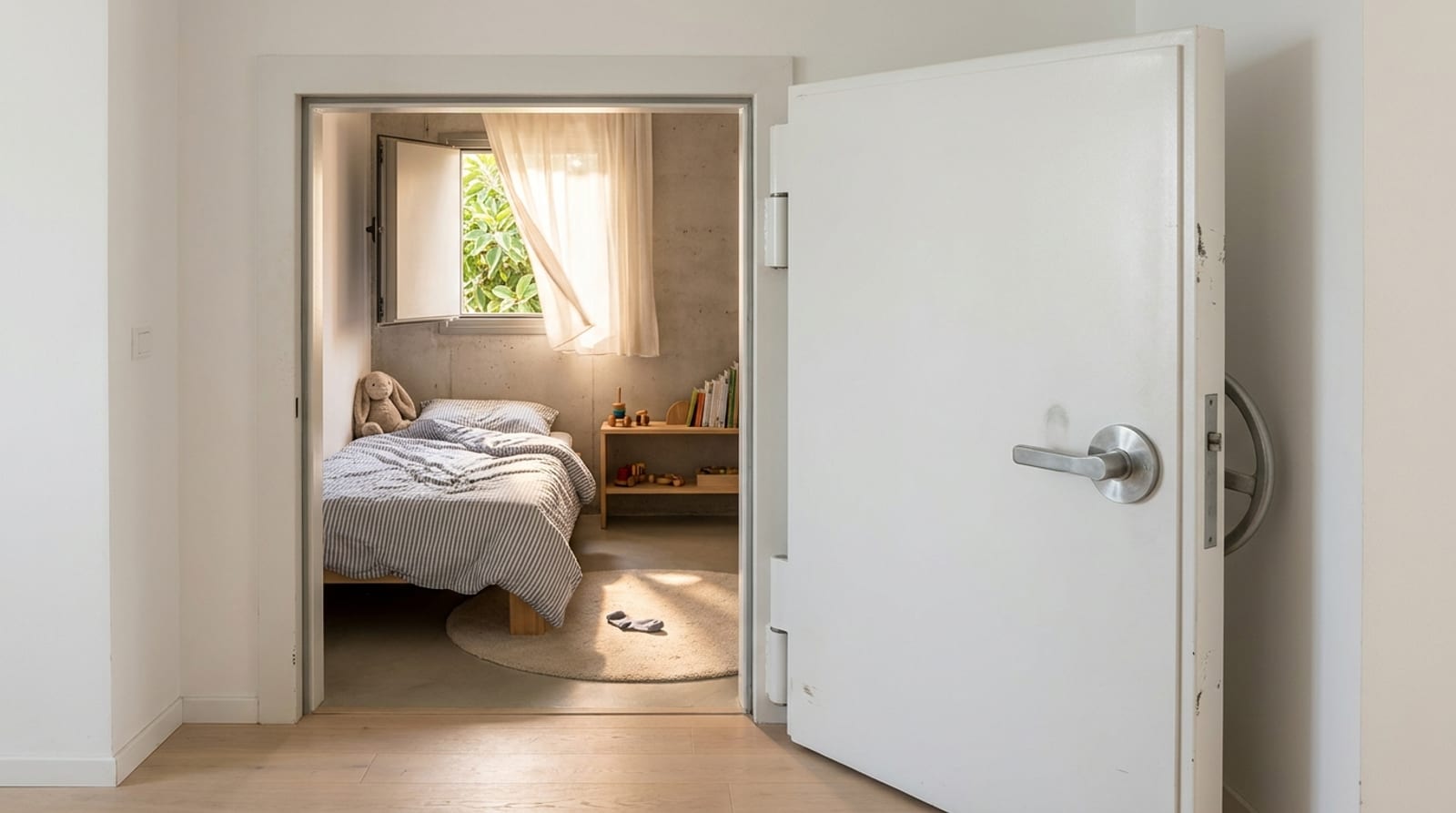
What happens today in a renewal project
Until now, anyone seeking renewal had to pass a years-long process: applying for approval of an urban-renewal plan and receiving the planning body's approval — and only then applying for the building permit. One more stop on the way, and it takes years.
What's new? Plan + permit
Urban-renewal plans advanced on the fast-licensing track and approved by the planning body — their approval serves as the building permit as well, nicknamed 'plan plus permit'. The regulations allow licensing and planning to run in parallel rather than in series, as is customary today — a move that significantly shortens the renewal process.
The regulations set two tracks
- Track 1 — a site-specific demolish-and-rebuild plan advanced in parallel with the permit application; the plan's approval constitutes approval of the permit under it. A groundbreaking procedure expected to shorten planning-and-licensing dramatically.
- Track 2 — a four-year temporary-provision track helping local committees absorb the process gradually: the permit application is examined after the local committee's decision on the plan, and at the validation stage the permit application under it can begin.
Who can — and cannot — enjoy the fast track?
- Who can: a plan covering one lot, or two contiguous lots, containing a 'reinforcement-required' building.
- Who cannot: where the lot already carries a detailed plan prepared under section 23 of TAMA 38 that was resolved for deposit before Amendment 139 took effect (July 10, 2022, the day it was published in the official gazette).
- Nor where the 'reinforcement-required' building meets one of three conditions: it is designated for preservation in an approved or deposited plan; it is on an approved list of preservation sites; or it is designated for preservation in a notice of plan preparation or in conditions set by the planning body.

The above is initial information only and does not constitute legal advice or a substitute for it, and nothing stated above constitutes a recommendation to initiate legal proceedings or to refrain from doing so. Consult an attorney who practices in the field before taking any action. For the avoidance of doubt, responsibility for any consequence of relying on the above rests with the user alone.
A question about this in your own file? Write to us — you will get an answer on the merits, not a brochure.
A preferred source just means you'll see our new articles more often in Top Stories next time you search a topic like this. It's also a nice way to say thanks.
Add as a preferred source on Google (opens in a new tab)
General information — not legal advice.