Detaching part of the common property (a roof, a yard, a parking spot) and attaching it to your apartment is a proprietary move that raises the apartment's value significantly — another room on the roof, a private garden, extra parking. But it demands smart, precise planning. These are the principles you must know:
- Physical attachment does not confer building rights: owning the roof does not automatically let you build on it. The building rights belong to all the owners together and require a separate, explicit contractual waiver.
- The rigid consent ladder: 100% consent for a standard detachment, 75% for an apartment extension, 60% for a safe-room only.
- Tax planning is the key to profitability: barter deals (renovating the building in exchange for the roof) carry significant tax exposure; early planning of the exemption provisions protects the profit.
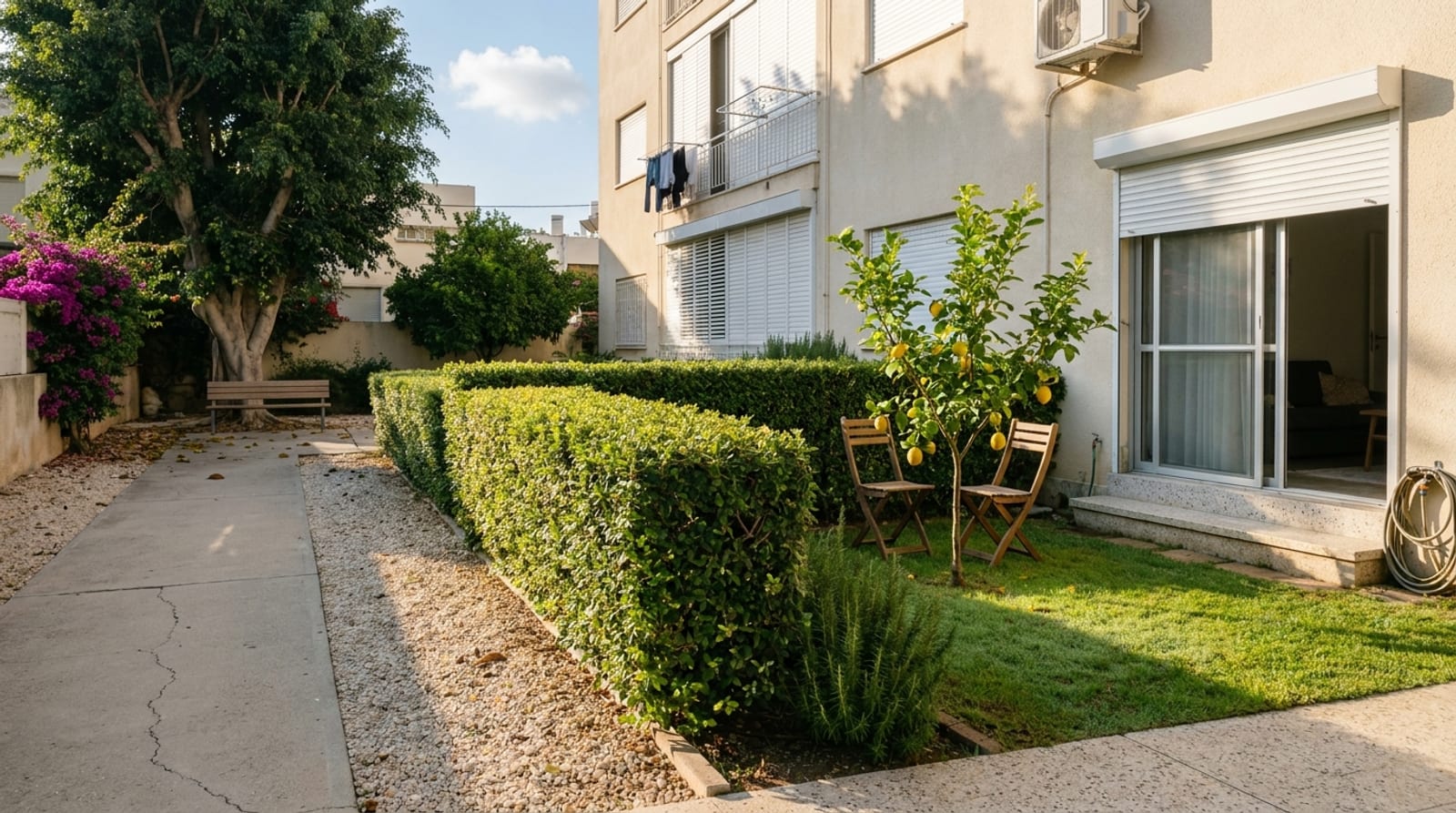
The dual structure: private ownership vs. common property
Israel's condominium is a unique legal creature. On one hand — absolute ownership of your apartment. On the other — partnership in the 'common property': everything not defined as an apartment (the land, roofs, external walls, stairs and elevators). Where land values only rise, smart use of idle areas — roofs, neglected yards — is a clear economic interest. Detaching a common area and attaching it to a specific apartment shifts the building's balance of rights. It is not declaratory; it is a first-order proprietary, planning and tax event, demanding a sharp legal strategy.

The critical distinction: physical area vs. building rights
One of the most common mistakes — tripping developers and owners alike — is conflating the attachment of an area (say, the roof) with the legal right to build on it. Israel's courts — in Galman (CA 5043/96), in Streicher (CA 10322/03), and in the rulings before them — have drawn the same clear line:
- Physical attachment: an exclusive right of use in the area, excluding the other owners — a move executed against the common property.
- Building rights (building percentages): the development potential embedded in the land — an economic asset in shared ownership. Attaching the roof does NOT transfer the building rights! For those to pass, the neighbors must waive them expressly, contractually and unambiguously.
Consent strategy: which majority do you actually need?
- 100% consent (the base rule): for any removal of common area not defined as an extension of an existing apartment — e.g., attaching a parking spot or a standalone garden.
- 75% consent: the 'bypass route' (section 71B) for extending an existing apartment — 75% of the owners holding 66.6% of the common property.
- 60% consent: the most significant relief, reserved for an extension whose sole purpose is a protected space (mamad).
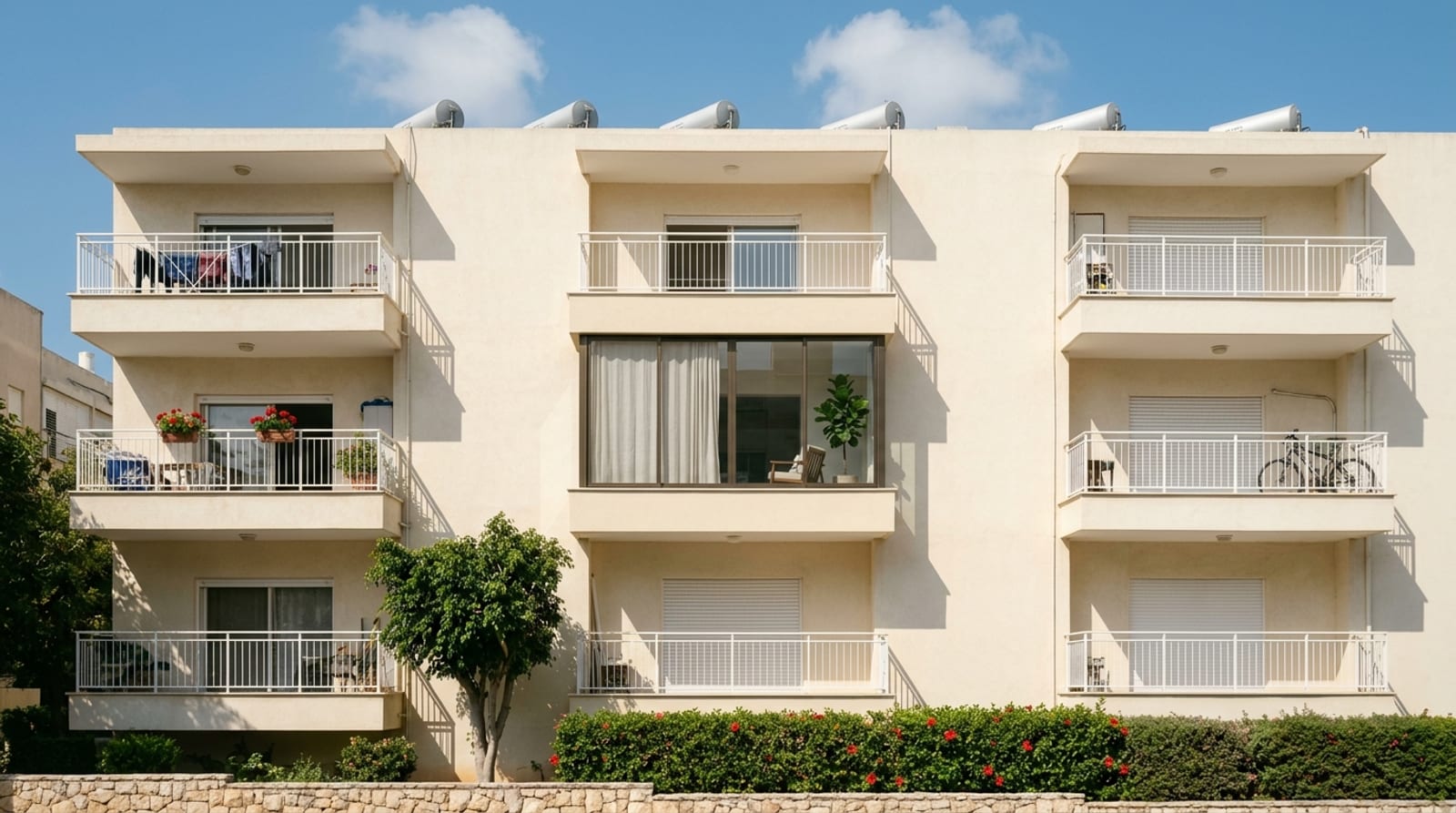
The procedure: from consent to the Tabu
- A precise legal agreement: defining the attached area, the allocation of building rights, the consideration mechanism and future maintenance.
- A survey plan and planning approvals: working with a surveyor toward local-committee approval, verifying no harm to the building's systems.
- Mandatory tax reporting: reporting to the land-taxation authority within 30 days and clearing appreciation tax, purchase tax and betterment levy (exemption or payment).
- Amending the condominium order: filing the full case with the registrar — the right crystallizes only on registration; WhatsApp consents and oral promises are worth very little in court.
Traps and exemptions: the anatomy of the taxation
Attaching common property is a land transaction in every respect. Without smart tax planning, your project's profitability can erode entirely.
Barter deals — beware 'renovation for the roof'
Many offer the neighbors: 'give me the roof and its building rights, and I'll build you an elevator and renovate the lobby.' The tax authorities see two intersecting transactions (a barter). In money terms: the owner who builds is exposed to 6% purchase tax on the roof's value, and the neighbors may face full appreciation tax on the value they received. Early legal planning prevents classification as an artificial transaction and protects the profit.

The equalization-payments exemption (section 49G1)
When an owner compensates the neighbors for extending their apartment, the legislature granted the neighbors an appreciation-tax exemption on the compensation (equalization payments) — so long as it does not exceed 50% of the waiving neighbor's apartment value. A powerful planning tool that encourages neighborly consent without fear of excess taxation.
A legal strategy with an eye on the return: precise tax planning is the difference between a profitable deal and one that creates needless exposure. The Gottlib team leads your transaction with the whole business picture in view, so you get the full value of your rights in the asset.
A question about this in your own file? Write to us — you will get an answer on the merits, not a brochure.
A preferred source just means you'll see our new articles more often in Top Stories next time you search a topic like this. It's also a nice way to say thanks.
Add as a preferred source on Google (opens in a new tab)
General information — not legal advice.