Continuing the five proprietary rights — this time, the lease. Flying to India for the holidays and want to sublet? Come — there are answers.
What is a lease?
A lease is a right in land granted for consideration — narrower than ownership: the right to hold and to use, for a limited period.

Once and for all: lease vs. chachira
- A (short) lease — up to 5 years;
- Chachira — a lease of more than 5 and up to 25 years;
- Chachira-ledorot (generational lease) — more than 25 years.

Transaction requirements — and the lease's special notes
- Like any land transaction, a lease requires — and completes by — registration, and the undertaking requires a written document.
- Registration requires tax clearances (appreciation and purchase tax where applicable).
- Defined parts: unlike a sale, renting a defined part is possible — each room in a flat-share can be rented separately.
- An option to extend: the type of lease (see above) determines what applies: registration at the Land Registry, a written document and tax clearances. A lease with an option that brings the total period above 5 years can change those duties.
The exceptions we love
- A short lease (up to 5 years) needs no registration — and the undertaking doesn't even require writing; an oral agreement can do. Caveat: the exception does NOT apply where the lease carries an option extending the total period beyond 5 years.
- A lease of an apartment or business premises that the Tenant Protection Law does not cover, with no option extending the period beyond 10 years, needs no registration.
- A lease or chachira of up to 25 years can be registered without tax clearances.
Transferring the lease — the sublet
A tenant may not transfer the right to hold and use the premises, or sublet, without the landlord's consent. BUT — where the landlord refuses on unreasonable grounds, or conditions consent on unreasonable terms, the tenant may proceed without consent; and a court may permit a sublet even where the lease forbids it.
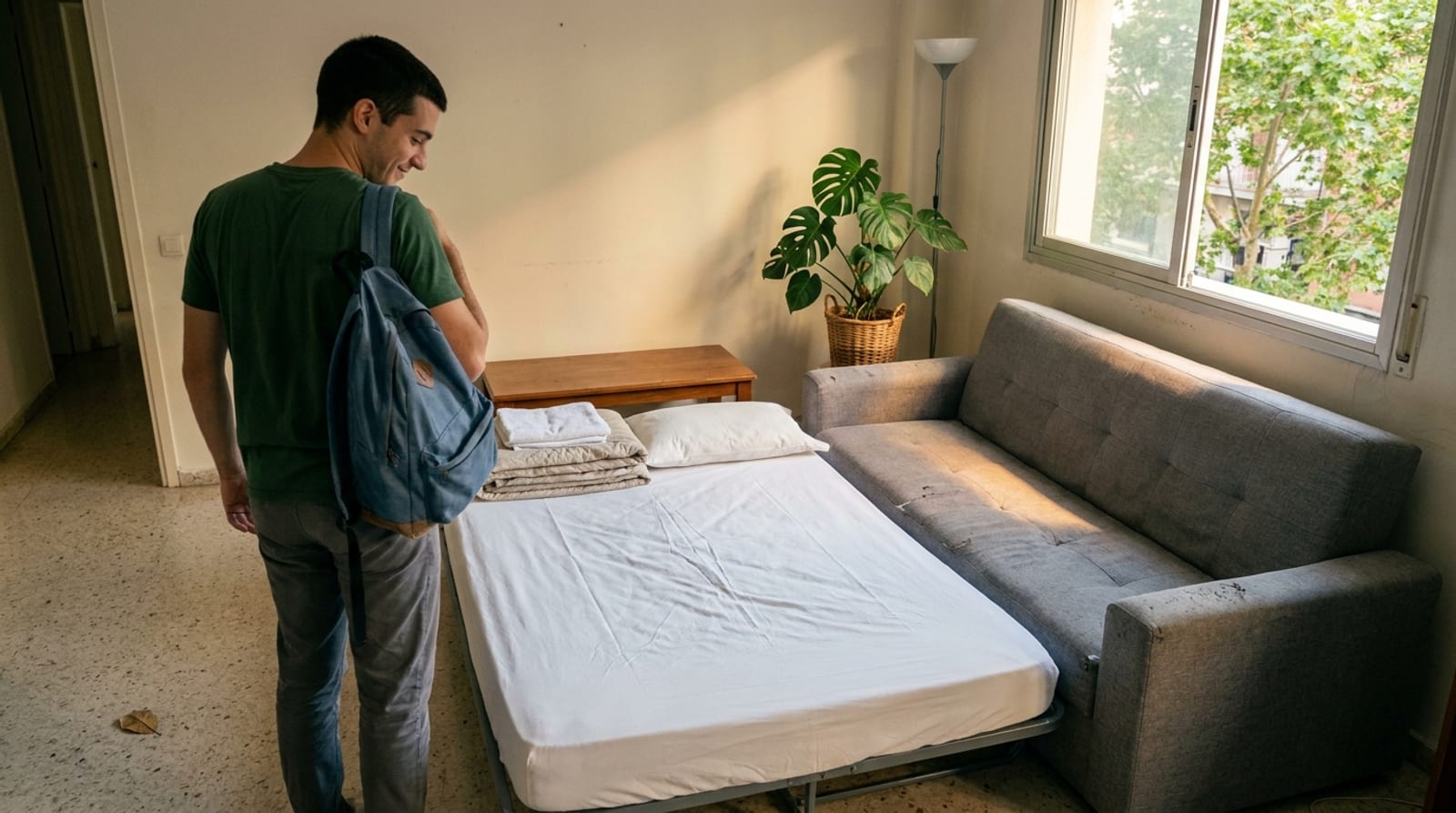
Wait — don't run to sublet yet
Is there a clause denying or restricting transfer? Then the landlord's consent is mandatory — or, if refused unreasonably, the court can order the transfer. No restricting clause? The tenant asks the landlord's consent; if refused, the tenant applies to the Land Registry, the registrar notifies the landlord by registered mail — and unless the landlord produces a court order blocking the transfer within the registrar's deadline, the registration is approved. In short: the tenant may transfer, and the burden shifts to the landlord to run to court.

Extending the lease period
A lease is never perpetual: an unrenewed contract, or long years of living in the property, grant no permanent right (protected tenants aside). Where the parties continued the tenancy past the agreed period without fixing a new one — either side may end it by reasonable advance notice.

An owner about to rent out — or a tenant about to sign — and want the contract to actually protect you? Come get professional, attentive counsel.
The above is initial information only and does not constitute legal advice or a substitute for it. Consult an attorney who practices in the field before taking any action.
A question about this in your own file? Write to us — you will get an answer on the merits, not a brochure.
A preferred source just means you'll see our new articles more often in Top Stories next time you search a topic like this. It's also a nice way to say thanks.
Add as a preferred source on Google (opens in a new tab)
General information — not legal advice.