At this stage the project enters the critical plane that underpins its execution: advancing and approving the detailed city building plan (the TABA). It is one of the stages most decisive for the project's success, demanding a deep grasp of the legal, planning and practical dimensions — a sequence of steps balancing public and private interests, planning law and the owners' needs.
What is a TABA?
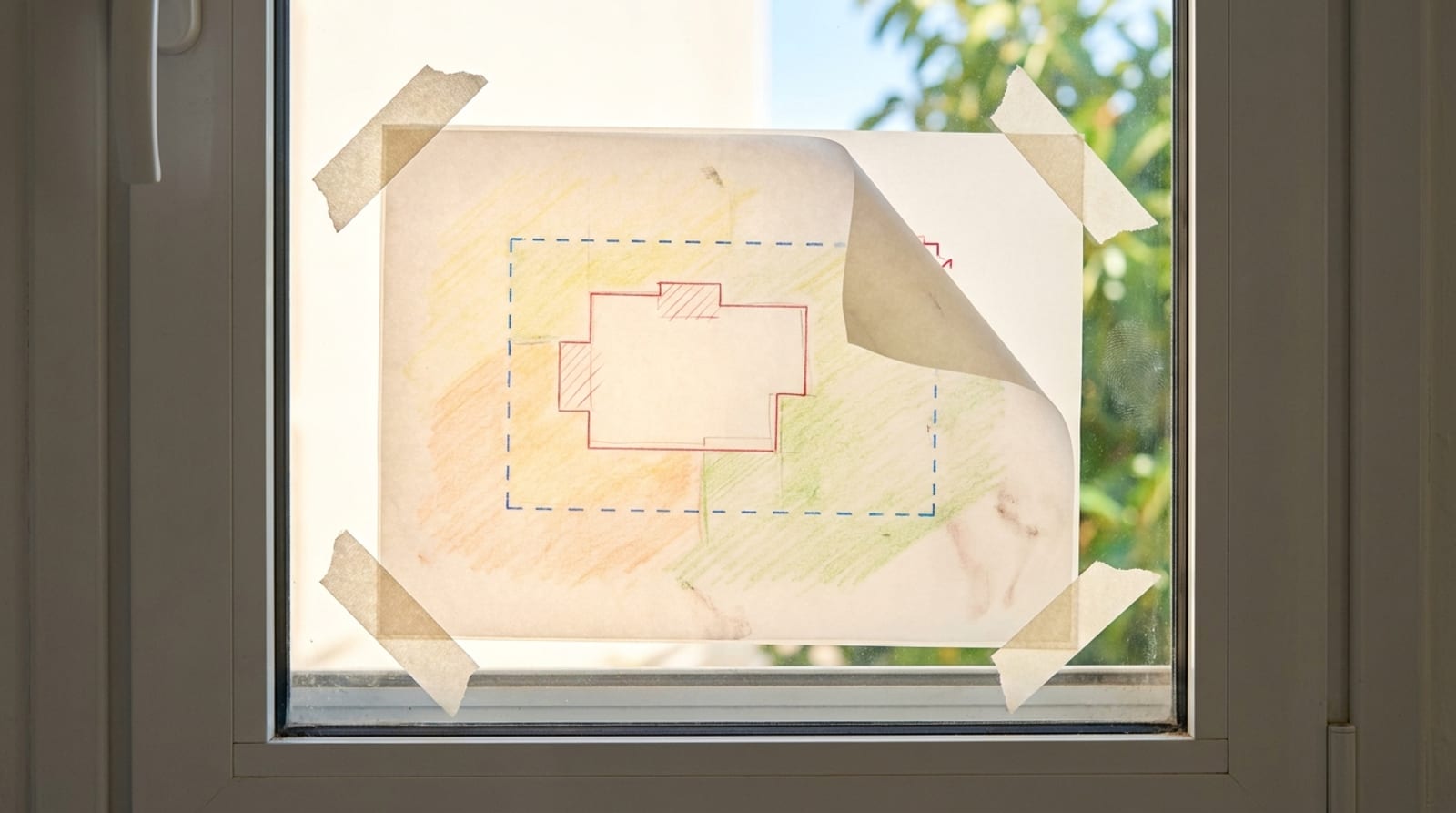
The TABA (city building plan) is the statutory instrument sitting within the hierarchy of the national outline plan (TAMA), the district plan (TAMAM) and the local plan. It is the detailed plan defining land use, building rights and the parameters that enable urban projects. In renewal, a new detailed TABA lets the developer and the rights holders re-plan the land beneath the existing homes — changing the designation and the volumes, such as adding housing units to the building or altering existing structures for the new project. Any construction or change of land use is carried out only under an approved TABA.

The approval stages — and their timelines
1 · Preparing the detailed plan (est. 6–12 months)
Preparation begins once the developer agreement closes. The developer and a team of advisers — architects, engineers, infrastructure consultants — prepare the detailed plan: the number of new units, built areas, building heights, public areas, access roads and more, in conformity with the law, the local and district committees' policies, and the area's market needs.

2 · Owner & attorney review (est. 1–3 months)
The detailed plan goes to the owners' representation and their attorney — checking the fit between the plan and the signed agreement, and that the proposed TABA meets the planning expectations. Owners can object where a gap opens between the agreement's terms and the plan; significant changes cause delays, so agreement on the details early matters.
3 · Corrections and adjustments (est. 2–6 months)
Where gaps emerge, the representation and the developer negotiate adjustments — public areas, parking, storage, or units beyond the initial planning are the common friction points.

4 · Filing with the planning institutions (est. 3–6 months)
The TABA is filed with the planning institutions, led by the local planning committee, which examines it against the regional plans, urban needs and existing infrastructure. Some plans require the district committee where they involve substantial regional changes.
5 · The local committee's deposit recommendation (est. 3–6 months)
If the local committee approves, it forwards its recommendation to deposit the plan to the district committee — where internal deliberations examine the plan in detail before recommending its deposit for public comment.
6 · Public deposit (est. 2 months — the statutory minimum)
The critical public stage: objections and comments may be filed, and the district committee decides whether to accept or reject them.
7 · Final approval (est. 6–12 months)
After the objections are resolved, the plan advances to validation and publication — the planning foundation on which the permit, and the whole project, stand. Planning certainty at this stage is precisely where a professional, proactive counsel changes the project's pace. All told, approving a TABA takes a year and a half to three years, depending on the factors above, and longer still in complex projects or ones with many rights holders and objections.

Why the TABA stage decides the project
TABA approval has far-reaching consequences beyond letting construction proceed: it bears directly on every rights holder in the project, with broad economic, environmental and even social implications. A plan that is not approved, or approved with substantial changes, can alter the intended design, raise the owners' risk and delay the start of construction. That is why the owners and the developer need to work in close coordination, so the plan meets every legal and planning requirement.
If you own an apartment and want to advance a renewal project in your building, the stage that matters most to its success is running the TABA approval process properly. Precise, strategic legal guidance helps the plan move forward smoothly, with your interests protected the whole way.
This article covers the plan a developer advances in a pinui-binui (evacuate-and-rebuild) project. If you own land or a detached home and want to initiate a change yourself, see our guide to changing a zoning plan in Israel.
The above is initial information only and does not constitute legal advice or a substitute for it. Consult an attorney who practices in the field before taking any action.
A question about this in your own file? Write to us — you will get an answer on the merits, not a brochure.
A preferred source just means you'll see our new articles more often in Top Stories next time you search a topic like this. It's also a nice way to say thanks.
Add as a preferred source on Google (opens in a new tab)
General information — not legal advice.