מהי הערת אזהרה?
הערת אזהרה היא הערה הנרשמת בפנקס המקרקעין (זוכרים שראינו מהם פנקסי המקרקעין וחשיבותם?) ומעידה על קיום התחייבות בכתב של בעל זכות במקרקעין (כפי שסקרנו את 5 הזכויות במקרקעין) לעשות במקרקעין עסקה או להימנע מלעשות בהם עסקה.
סוגים שכיחים של הערות אזהרה
- התחייבות לעשיית עסקה
- הימנעות מעשיית עסקה
- התחייבות לרישום משכנתה
- הוראות לפי צו בימ"ש או רשות מוסמכת אחרת להסכמת צד ג'
- התחייבות לעסקת התחדשות עירונית
איך הערת אזהרה עוזרת לנו בחיים?
- לא ניתן לרשום בפנקס המקרקעין עסקה אחרת הסותרת את תוכן הערת האזהרה (כל עוד לא נמחקה, או שניתנה הסכמת הזכאי או צו בימ"ש)
- אם נרשמו הערות אזהרה סותרות – זכותו של הצד שנרשמה הערת אזהרה לטובתו ראשונה תגבר
- הערת אזהרה גוברת על עיקולים שנרשמו לאחר רישומה או שעבודים, כינוס נכסים וצווי פירוק
- רישום הערת אזהרה הוא פומבי ונגיש לכולם בלשכת רישום המקרקעין, ובכך מאפשר להתריע ולמנוע עסקאות נוגדות
- ניתן לרשום הערת אזהרה בדרך שדורשת הסכמה של צד ג' לביצוע עסקה בנכס המקרקעין (למשל אדם שרוכש דירה לבנו ובעת עסקה בדירה ידרשו להסכמת האב)
- צד שלא רשם הערת אזהרה עקב מחדל או רשלנות עלול לאבד את זכותו במקרה של עסקאות נוגדות
ראינו במאמרים הקודמים שיש חָמֵשׁ זכויות קנייניות במקרקעין. איפה הערת אזהרה בכל העסק הזה?
כפי שראינו, ישנן 5 זכויות קנייניות במקרקעין, והערת אזהרה אינה חלק מהן. יחד עם זאת, הערת אזהרה התפרשה לפי הפסיקה כזכות "מעין קניינית" בשל מאפיינה. מחד, הערת אזהרה היא זכות שמונעת כניסה מצדדים שלישיים שלא היו חלק מההתחייבות לעשיית העסקה, אך מאידך, היא אינה זכות קניינית המגנה באופן מלא על מי שנרשמה הערת האזהרה לזכותו. כלומר, אדם שנרשמת הערת אזהרה לזכותו בנכס מקרקעין, אין זה מעיד שהוא הבעלים של אותם המקרקעין.
יוצא מכך שהערת האזהרה היא אמצעי זמני הפועל להגבלת זכות הקניין של הבעלים הרשום בפנקס המקרקעין להתחייב לעסקה סותרת.
לכן, כדי לעגן את הזכות על נכס המקרקעין, וכפי שראינו במאמר על זכות הבעלות במקרקעין, מומלץ שלא לנוח על זרי הדפנה ולהשלים את רישום הזכות בפנקס המקרקעין.
למה חשוב לרשום את הזכות הקניינית במקרקעין בפנקס המקרקעין ומה חשיבות רישום זכות הבעלות? תשובות במאמר על זכות הבעלות במקרקעין. בואו.
תנו בדוגמאות.
שרה בעלת דירה, עורכת הסכם מכר בו היא מתחייבת למכור את דירתה לרבקה ולהעבירה על שם רבקה. כדי לעגן את זכותה של רבקה להתחייבות ששרה נתנה לה, רבקה פונה לרשם המקרקעין בבקשה לרשום הערת אזהרה בפנקס המקרקעין בגין התחייבות זו.
אם שרה תתחייב למכור את דירתה לרחל, לאחר רישום הערת האזהרה לטובת רבקה, רחל לא תוכל להעביר את הדירה על שמה בפנקס המקרקעין, מאחר ובפנקס המקרקעין נרשמה הערת אזהרה על הדירה לטובת רבקה, הסותרת את תוכן הערת האזהרה שרחל מבקשת לרשום לזכותה.

אני בתהליך רכישת דירה. איך הערת האזהרה עוזרת לי?
כאמור, רישום הערת האזהרה מעגן באופן מוגבל את הזכויות של רוכש נכס המקרקעין לתקופה בין ביצוע העסקה ועד לשלב הסופי של רישום הזכויות בפנקס המקרקעין. לדוגמה – במעמד חתימת הסכם המכר בין שרה לרבקה, רבקה תעביר תשלום ראשון עבור הדירה אשר יוחזק בנאמנות אצל עו"ד בא-כח של שרה למשך מס' ימים שיקבעו. בתקופת ימים אלו – עו"ד בא-כח של רבקה, יבצע רישום הערת אזהרה לטובת רבקה. לאחר שהערת האזהרה תירשם לטובת רבקה, עו"ד של רבקה יורה לעו"ד של שרה לשחרר את התשלום הראשון לטובת שרה. באמצעות מנגנון זה, שרה, תבטיח את קבלת התשלום הראשון שיוחזק בנאמנות אצל עו"ד מטעמה. מאידך, רבקה תבטיח כי התשלום לא יועבר לידי שרה, עד שתעגן את זכותה באמצעות רישום הערת אזהרה בפנקס המקרקעין לזכותה.

ממה כדאי להיזהר?
תהליך רישום הערת אזהרה בפנקס המקרקעין דורש התחייבות בכתב של בעל הזכות במקרקעין כי התחייב לעשות בהם עסקה או להימנע מלעשות בהם עסקה. לעניין זה, אין נָפְקָא מִנָּהּ (הבדל) אם ההתחייבות בכתב הייתה בהסכם, בהרשאה בלתי חוזרת או במסמך אחר, וכן, אם הייתה מפורשת או משתמעת, מוחלטת או מותנית.
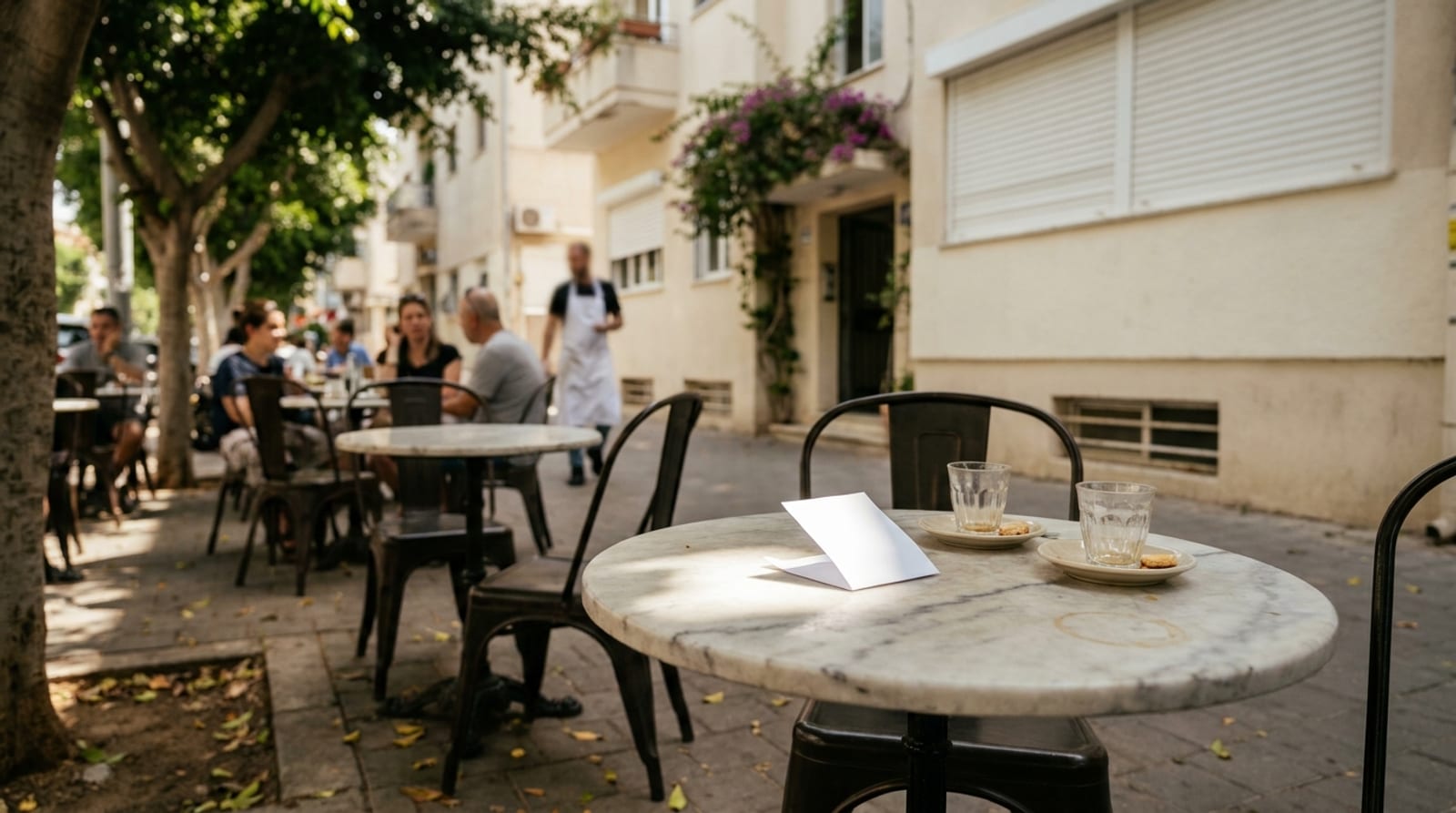
לדוגמה – ראובן נפגש עם שמעון בבית קפה. במהלך המפגש, שמעון ביקש מראובן לרכוש את דירתו. ראובן הסכים, ושמעון הוציא פתק עליו חתם ראובן ובו נכתב כי ראובן מתחייב למכור לשמעון את דירתו. התחייבות בכתב זו עשויה להספיק כדי לרשום הערת אזהרה לזכות שמעון.
בשל כך, יש ליתן תשומת לב רבה במסירת התחייבויות בכתב בעניין התחייבות/הימנעות עשיית עסקה בנכס מקרקעין שיש לכם.
טיפ של ווינרים – איך אפשר להתגבר על הסיכון ברישום הערת אזהרה לטובת צד ג'? למשל – חשש שהורה מבוגר ינוצל ע"י גורם זר שישכנע אותו ליתן הסכמה לרישום הערת אזהרה לזכותו. כדי למנוע זאת, ניתן לרשום הערת אזהרה להימנעות מעשיית עסקה.
הערת האזהרה בהתחדשות עירונית
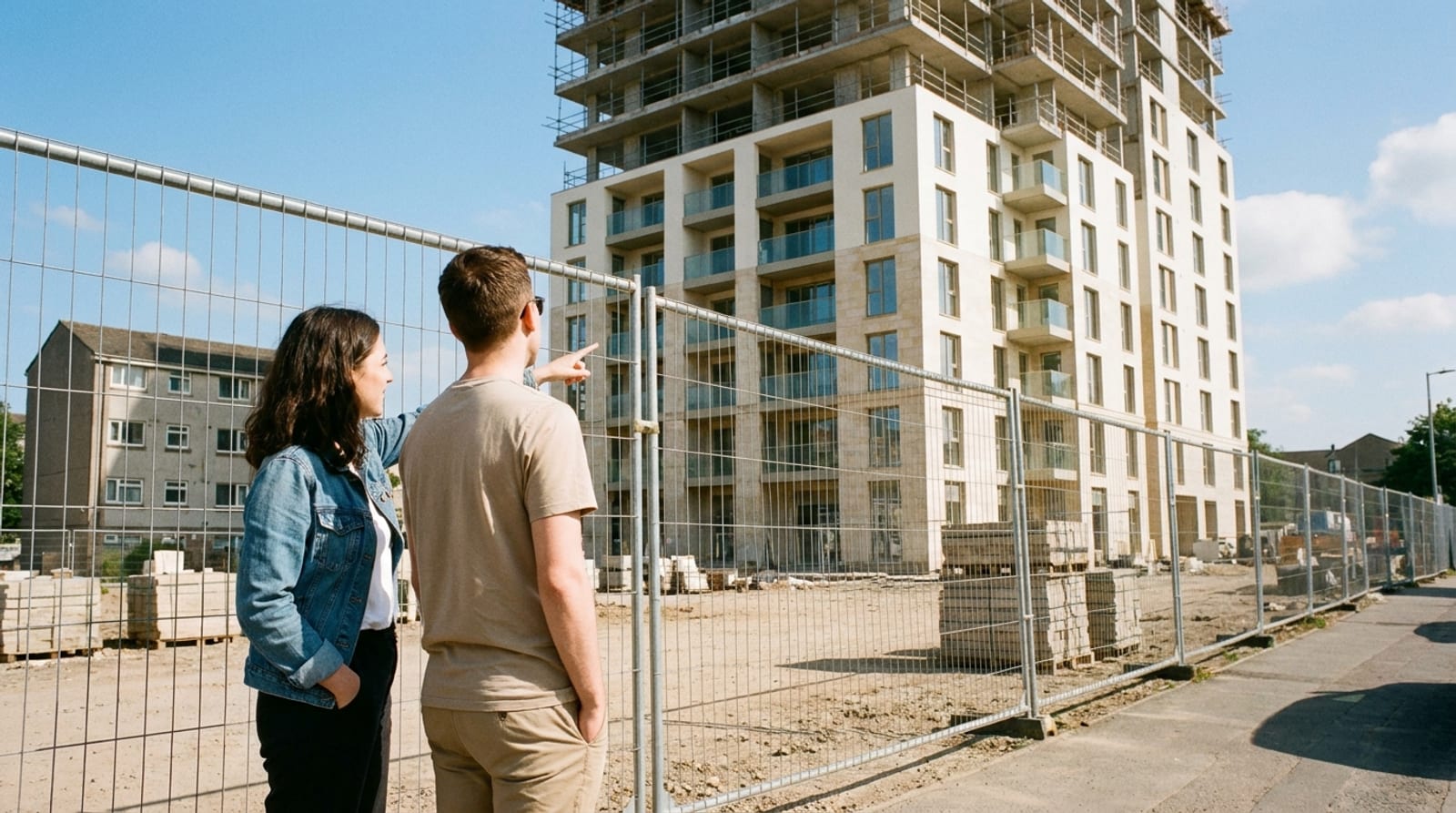
בעסקת התחדשות עירונית הצדדים – בעלי הדירות והיזם, מתקשרים בהסכם בו היזם מתחייב למעטפת השירותים עד למסירת דירה חדשה ורישום הזכויות, ואילו בעלי הדירות מתחייבים להעביר את זכויות הבנייה העתידיות ליזם.
כדי שהיזם יוכל לשמור על הזכויות שלו בתהליך ההתחדשות העירונית (לקדם את הפרויקט, לבנות ולמכור את דירות חדשות נוספות שיבנה ברכוש המשותף של הבית וכיו"ב) עושים שימוש בהערת האזהרה לטובת היזם.
שאלה על הנושא הזה בתיק שלכם? כתבו לנו — נענה לגופו של עניין, לא בכלליות.
מקור מועדף מאפשר לכם לראות את המאמרים החדשים שלנו יותר ב“כתבות מובילות”, כשתחפשו שוב נושא מהתחום. וזו הזדמנות טובה גם לפרגן לנו.
הוספה כמקור מועדף ב-Google (נפתח בלשונית חדשה)
מידע כללי — לא ייעוץ משפטי.