קרקעות, רשות מקרקעי ישראל וזכויות לא רשומות
מי הבעלים, ומה זה עולה לזוז.
רוב הקרקע בישראל אינה בבעלות פרטית אלא מנוהלת בידי המדינה, וחלקה כלל לא עברה הסדר. מי שמעביר זכויות בנכס לא מהוון משלם לרשות מקרקעי ישראל דמי הסכמה. בנכס מהוון, שדמי החכירה בו שולמו מראש, אין דמי הסכמה בהעברה. השאלה מי בעל הזכות, ומה נדרש כדי להעביר אותה, נענית במרשם ובתנאי החכירה — לא בהנחות. אנחנו קוראים את שניהם לפני שנקבע מחיר.

מהמרשם ומתנאי החכירה — לתמונה שאפשר לסגור עליה עסקה.
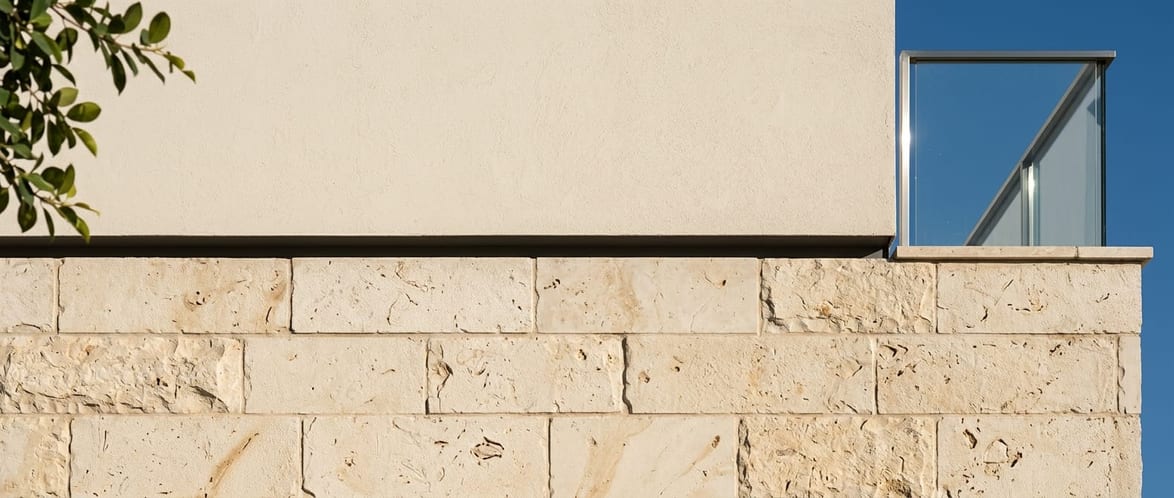
קרקעות ורשות מקרקעי ישראל
רוב הקרקע בישראל לא נמכרת אלא מוחכרת, ורשות מקרקעי ישראל היא הגוף שמנהל אותה. התרגום לעסקה פשוט: לפני שאתם חותמים, צריך לדעת אם הנכס מהוון או לא, כי מהתשובה הזאת נגזר אם רמ״י בכלל צריכה לאשר את ההעברה וכמה היא תגבה עליה. בנכס לא מהוון, מי שמעביר את הזכויות משלם דמי הסכמה — חלקה של הרשות בעליית ערך הקרקע מאז שנרכשו הזכויות. בנכס מהוון, אחרי שדמי החכירה השנתיים שולמו מראש בתשלום אחד, דמי ההסכמה יורדים מהתמונה. ההפרש בין שני המצבים הוא לא ניואנס; הוא שורה בתקציב העסקה.
מה אנחנו עושים
- מוציאים וקוראים את תיק הנכס ברמ״י לפני החתימה: אישור זכויות, חוזה החכירה, תקופתו והתנאים המיוחדים שנקבעו בו.
- מסווגים את הנכס — מהוון או לא מהוון — ובודקים אם מדובר במקרה שבו כלל אין צורך באישור רמ״י (מגורים מהוונים במגזר העירוני הרשומים בטאבו, שבנסח שלהם קיימת הערה שאין מגבלה בהעברת זכויות וירושה).
- מתמחרים את התשלומים לרשות מראש: דמי הסכמה בנכס לא מהוון, דמי היוון, ודמי היתר בגין זכויות נוספות שלא שולם עבורן, לפי קובץ החלטות מועצת מקרקעי ישראל והנהלים המפורסמים.
- בודקים את שאלת ההפרות לפני שקובעים מועדים: חובות, שימוש שאינו תואם את מטרת החכירה, חריגות בנייה או פלישות — רמ״י אינה מאשרת העברה או היוון כל עוד אלו לא תוקנו או הוסדרו.
- בוחנים את מצב תקופת החכירה: אם היא הסתיימה או עומדת להסתיים, ומה המשמעות של חידוש ל-49 שנים נוספות ושל היוון בעיתוי הנוכחי.
- מגישים ומלווים את הבקשות מול הרשות עד קבלת האישור, ובודקים אם קיים מסלול הקניית בעלות רלוונטי לנכס (פרק 5.1 לקובץ ההחלטות).
איפה עסקאות נתקעות
תמונת זכויות ותשלומים מול רמ״י, בכתב, לפני שנחתם חוזה שמתמחר אותה בלי להכיר אותה.
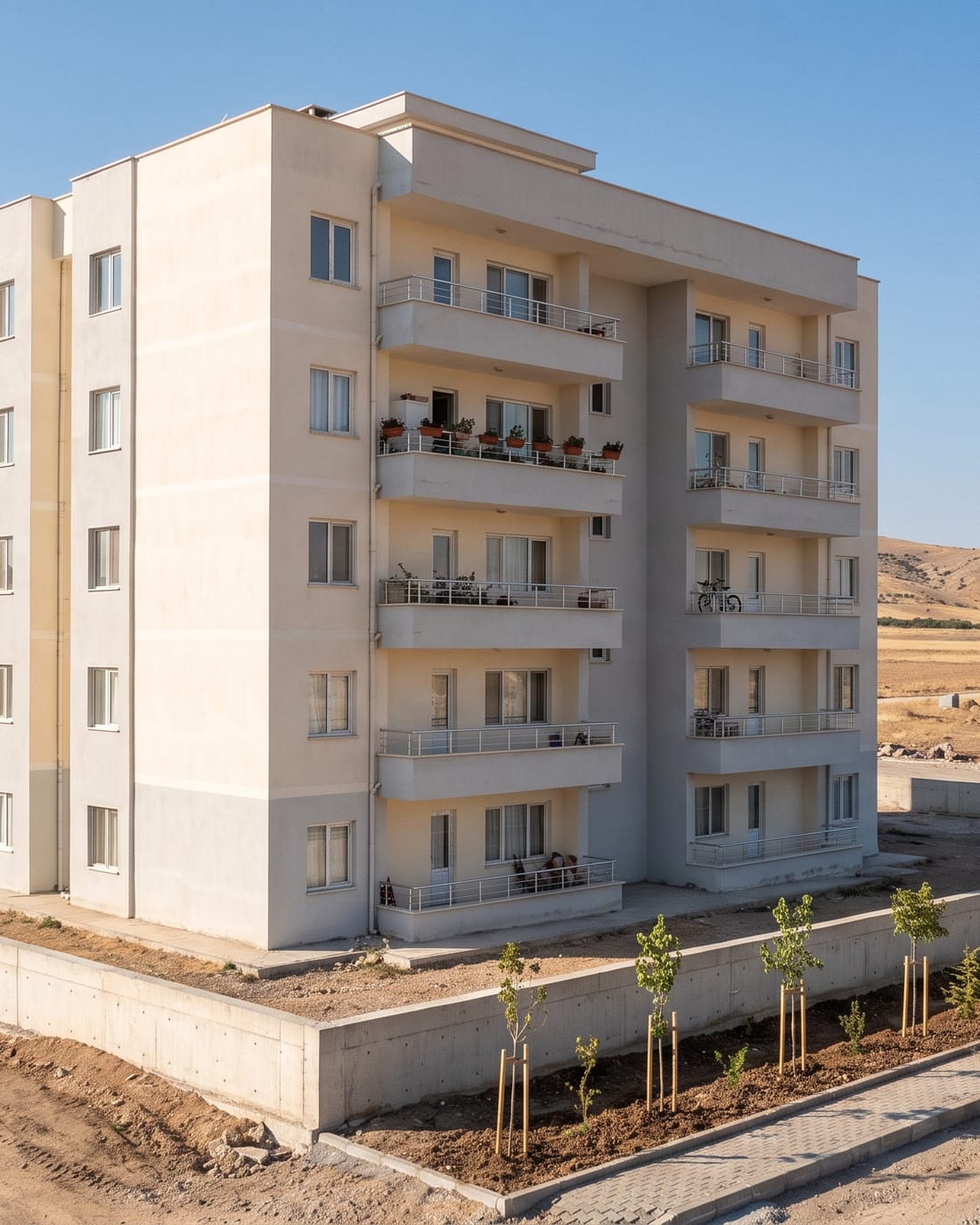
הסדר מקרקעין וזכויות לא רשומות
יש הבדל גדול בין להיות בעלים לבין להיות רשום כבעלים, ובעסקה ההבדל הזה הוא הכול. במקרקעין מוסדרים — כאלה שעברו הליך הסדר ונרשמו בפנקס הזכויות — הרישום הוא ראיה חותכת לתוכנו: מה שכתוב שם הוא מה שיש. במקרקעין לא מוסדרים, שרשומים לרוב בפנקס השטרות הישן, הרישום הוא ראיה לכאורה בלבד: הוא נקודת פתיחה שאפשר לסתור, והשטחים והגבולות בו עלולים לא להתאים למציאות. אותו נכס בדיוק, שני מצבים משפטיים שונים לחלוטין — וקונה, בנק ושמאי מתייחסים אליהם אחרת.
מה אנחנו עושים
- מבררים ראשית איפה הזכות נמצאת ומה מעמדה: פנקס זכויות, פנקס שטרות, חברה משכנת או רשות מקרקעי ישראל, ומה סוג הזכות — בעלות, חכירה, זיקת הנאה, זכות קדימה.
- בודקים אם החלקה מוסדרת, בהליך הסדר, או מחוצה לו, ומה המשמעות המעשית של התשובה למי שקונה או מוכר אותה עכשיו.
- אוספים את שרשרת המסמכים ההיסטורית שמוכיחה את הזכות כשהיא אינה עולה מהמרשם: שטרות ישנים, צווי ירושה, הסכמי שיתוף, מסמכי חברה משכנת.
- מגישים את תביעת הזכות בהליך ההסדר ומייצגים בו — מי שלא הביא את זכותו לידיעת פקיד ההסדר במועד עלול למצוא את עצמו מחוץ ללוח הזכויות.
- מסדירים זכויות ישנות שנתקעו לפני עשורים: ירושה שלא נרשמה, הערות אזהרה עתיקות, עיקולים ושעבודים שאבד עליהם הכלח.
- מגנים על זכות שטרם נרשמה בזמן אמת — הערת אזהרה לפי ס' 126–127 לחוק המקרקעין, ובמרשמים אחרים הרישום המקביל — כדי שהיא תהיה גלויה לצד שלישי.
איפה עסקאות נתקעות
מרשם שמשקף את מה שבאמת שלכם, כך שביום שתחליטו למכור, למשכן או להוריש — הבדיקה של הצד השני לא עוצרת את העסקה.
שמונה מילים שקובעות מה באמת שלכם — ומה עדיין לא.
נסח רישום נראה כמו טופס. בפועל הוא משפט שלם על הנכס שלכם, כתוב בשמונה מילים: ארבע אומרות איפה הקרקע נמצאת ואיך מזהים אותה, וארבע אומרות מה בדיוק אתם מחזיקים בה. חוק המקרקעין קובע שעסקה במקרקעין נגמרת ברישום, ועד אז מה שבידכם הוא התחייבות של המוכר כלפיכם בלבד (ס' 7). זה ההבדל בין זכות שגלויה לכל העולם לזכות שקיימת רק מול מי שמכר לכם. עמדו על כל מילה.
מה ששואלים אותנו על קרקע וזכויות
דמי היוון ודמי הסכמה: מה ההבדל?
דמי היוון הם תשלום חד-פעמי ומראש של דמי החכירה השנתיים לרשות מקרקעי ישראל. דמי הסכמה משלם לרשות מי שמעביר זכויות בנכס לא מהוון, על עליית ערך הקרקע. לפי רמ״י, אחרי היוון לא משלמים דמי הסכמה בהעברת זכויות. לכן בנכס לא מהוון בודקים את שני הסכומים לפני שקובעים מחיר.
מה זה נכס מהוון, ולמה זה חשוב לפני מכירה?
היוון הוא תשלום חד-פעמי ומראש של דמי החכירה השנתיים. רמ״י מפרסמת במפורש שלאחר היוון אין צורך בתשלום דמי חכירה שנתיים ואין תשלום דמי הסכמה בזמן העברת זכויות. לכן הסיווג הזה הוא אחת הבדיקות הראשונות שעושים לפני מכירה: הוא קובע אם יש בכלל תשלום לרשות בעסקה, ומי נושא בו.
מה הם דמי הסכמה ומי משלם אותם?
לפי רמ״י, דמי הסכמה הם הסכום שעל מעבירי הזכויות לשלם לרשות עבור עליית ערך הקרקע בנכס לא מהוון, בעת הבקשה להעברת זכויות — הפרש הערך בין מועד רכישת הזכויות למועד העברתן. הם חלים על מעביר הזכויות, והם אחת הסיבות המרכזיות לכך שהתמורה נטו בעסקה בקרקע לא מהוונת שונה ממה שנראה בחוזה.
תמיד צריך אישור של רמ״י כדי להעביר זכויות?
לא תמיד צריך אישור של רמ״י כדי להעביר זכויות. רמ״י מציינת שאין חובה לקבל את אישורה בנכסי מגורים מהוונים במגזר העירוני הרשומים בלשכת רישום המקרקעין, כאשר בנסח קיימת הערה שלפיה אין מגבלה בהעברת זכויות ובירושה. בכל מצב אחר — וגם כשקיימת הפרה של תנאי חוזה החכירה או הסכם הפיתוח — העסקה עוברת דרך הרשות, ולוח הזמנים צריך להיבנות בהתאם.
מה זה מקרקעין לא מוסדרים, ואיך זה משפיע על מכירת הנכס?
מקרקעין לא מוסדרים הם כאלה שלא עברו הליך הסדר, ולרוב רשומים בפנקס השטרות הישן. ההבדל המעשי נמצא בכוח ההוכחה: ס' 125 לחוק המקרקעין קובע שרישום לגבי מקרקעין מוסדרים הוא ראיה חותכת לתוכנו, ואילו לגבי לא מוסדרים — ראיה לכאורה בלבד. בעסקה זה אומר שהשטח, הגבולות והבעלות טעונים בדיקה מעבר לנסח, ושהצד הקונה יבקש על כך תשובות.
הדירה עדיין רשומה על שם סבא שנפטר. אפשר למכור?
לא לפני שהירושה מוסדרת ונרשמת. כל עוד הבעלים הרשום אינו המוכר, אין מי שיכול להעביר את הזכות במרשם. בפועל זה אומר צו ירושה או צו קיום צוואה, איתור כל היורשים והשלמת הרישום — ולכן כדאי לפתוח את זה לפני שמתחילים לשווק ולא אחרי שנמצא קונה.
הערת אזהרה מספיקה כדי להגן עלי עד הרישום?
הערת אזהרה לפי ס' 126–127 לחוק המקרקעין היא הכלי המרכזי להפוך את הזכות שלכם לגלויה כלפי צד שלישי בפרק הזמן שבין החתימה לרישום, אבל היא חלק ממערך ולא תחליף לו. לצידה עומדים סדר התשלומים, הנאמנות והבדיקה מה עוד רשום או לא רשום על הנכס — ואת אלו בונים יחד, לפי המרשם שבו הנכס נמצא.
שיחה עם עורך דין מקרקעין, בשלב שבו אתם נמצאים.
דירה שאתם קונים או מוכרים, בניין שנכנס להתחדשות, או חוזה שמחכה להחלטה. משאירים שם וטלפון, ואנחנו חוזרים אליכם לשיחה עם עורך דין בכיר מהצוות: שומעים אתכם, ואומרים מה השלב הבא — גם כשהוא לא אצלנו.