




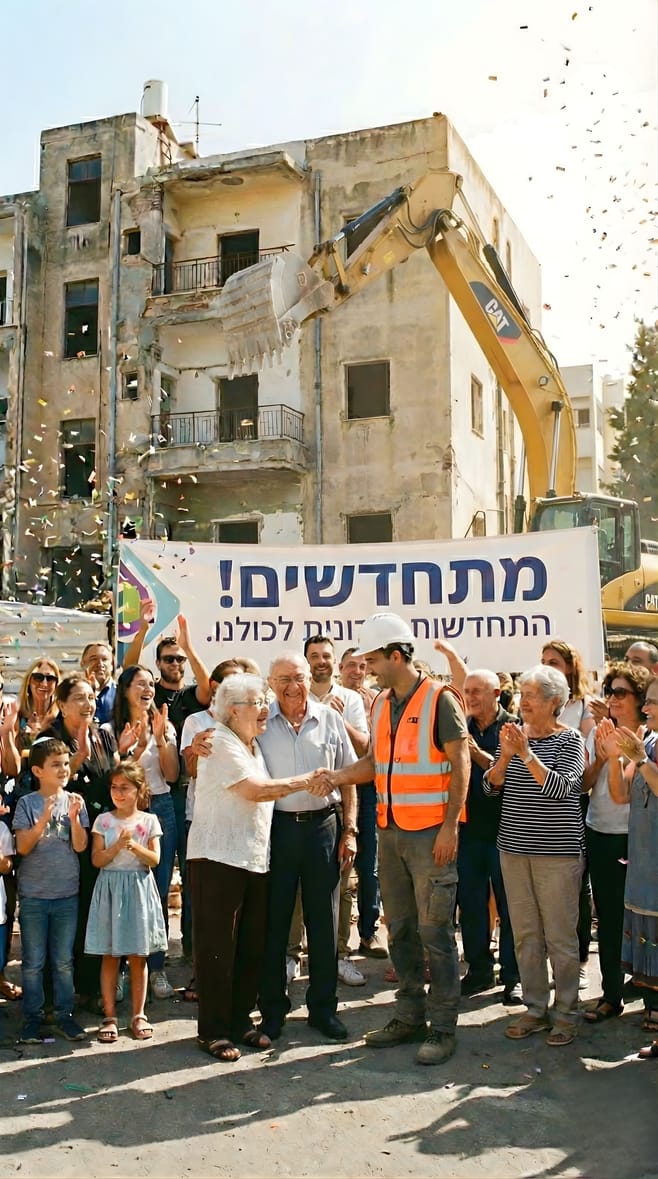


התחדשות מתחמית
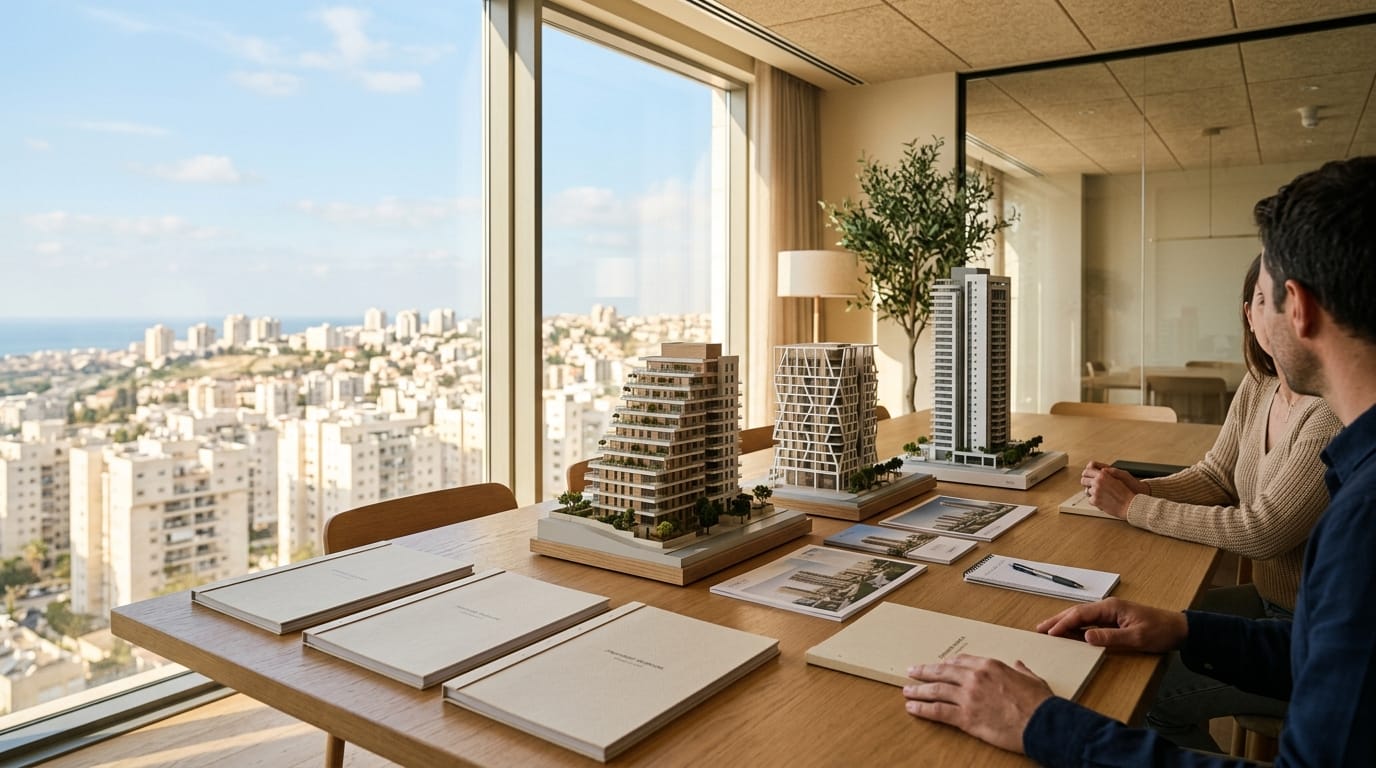
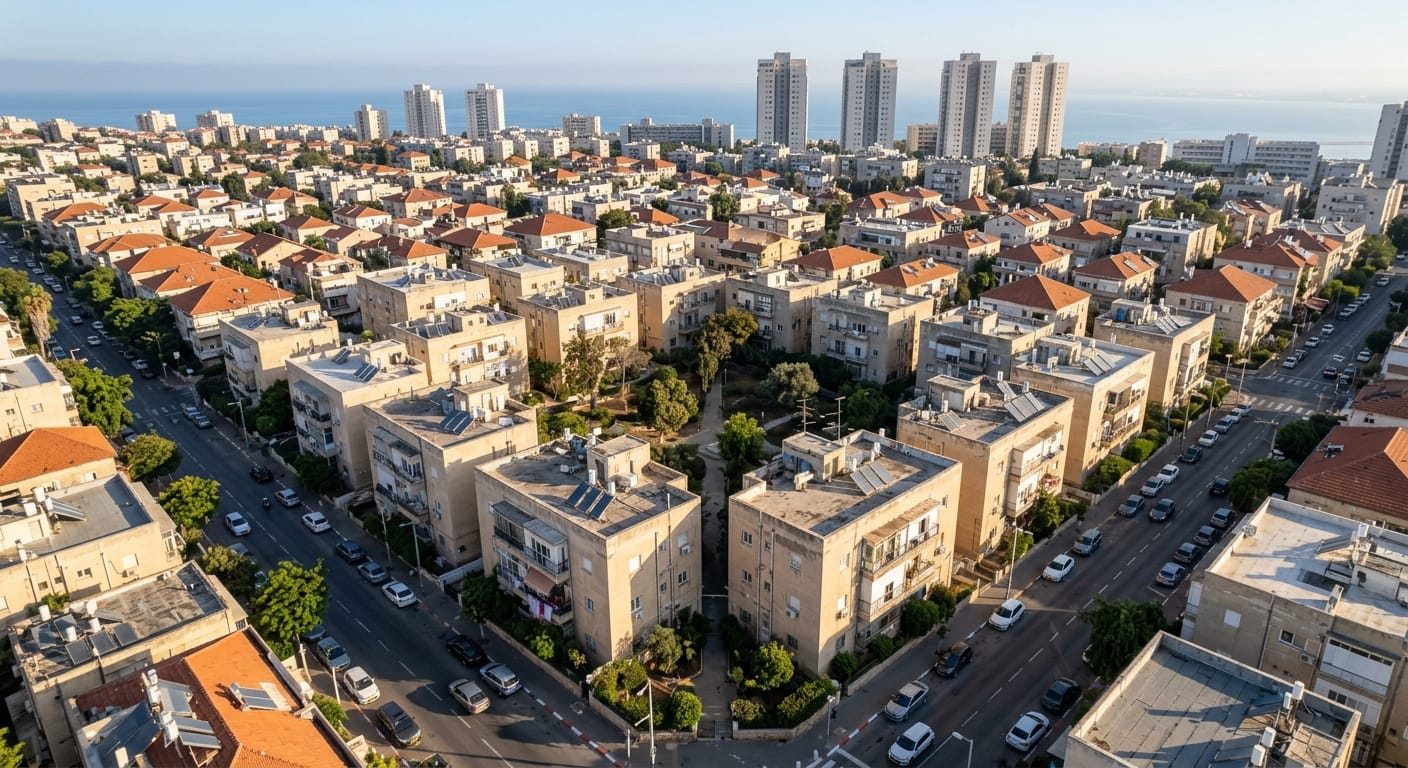
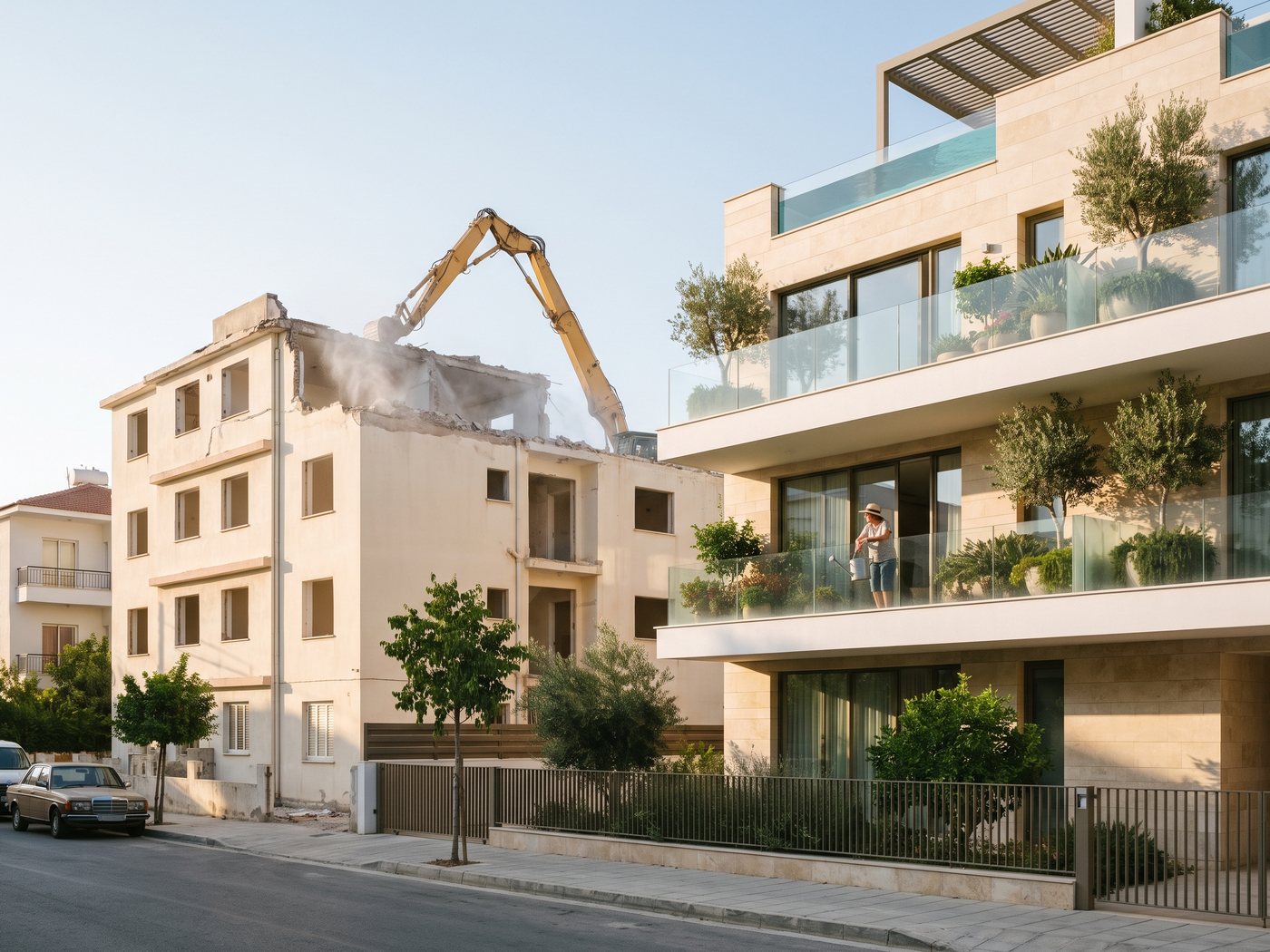
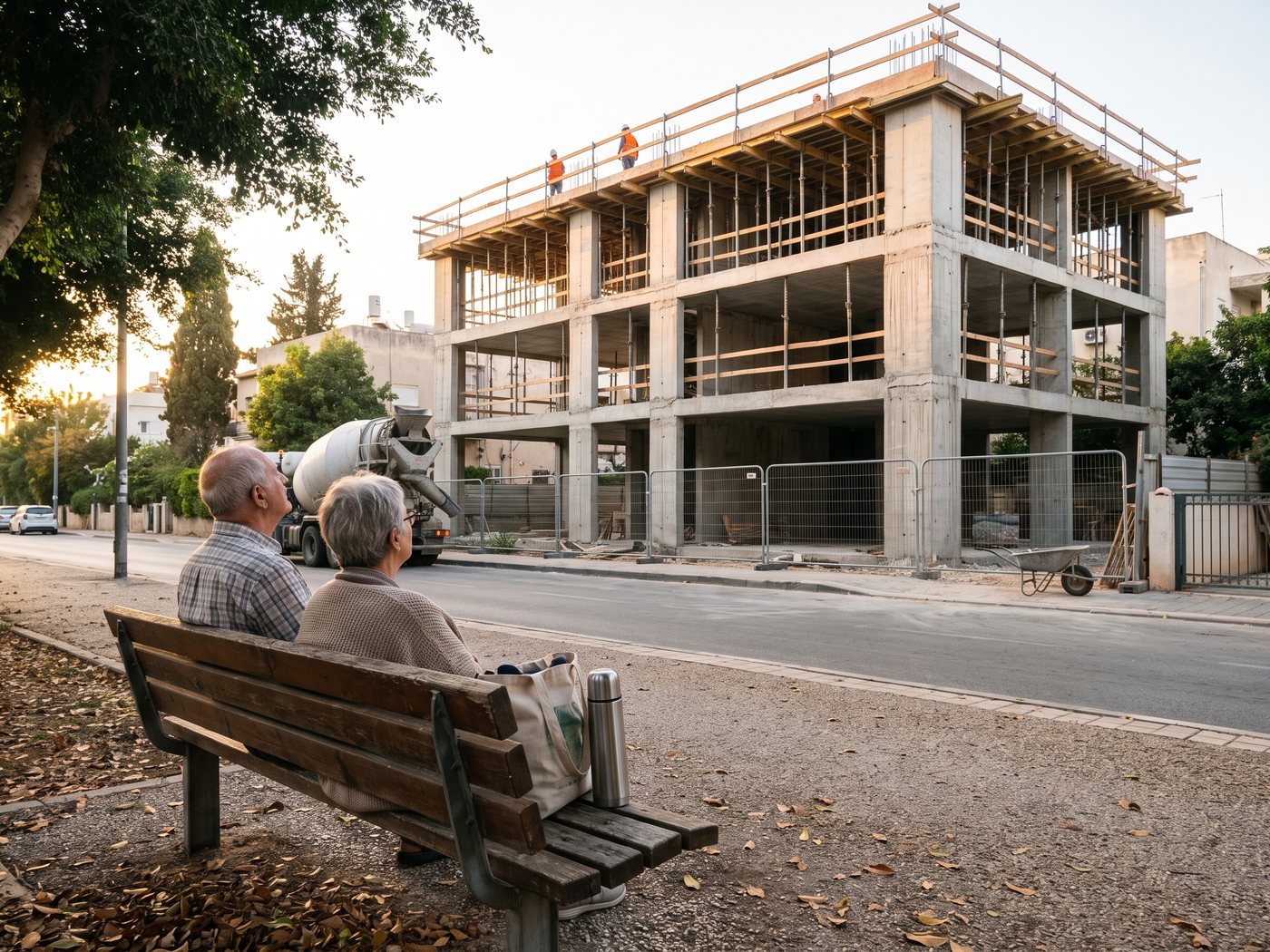
פינוי ובינוי · מתחם מחודש. כמה בניינים הופכים למתחם אחד, שנהרס ונבנה מחדש. מפנים את הדירה לתקופת הבנייה, ומקבלים דירה חדשה וגדולה יותר.
מי פותח את הדלת: מינימום 24 יחידות במתחם.
התמורה שלכם נקבעת בהסכם.
התמורות, הערבויות ולוחות הזמנים נקבעים בהסכם מול היזם, עוד לפני שמתחילים לבנות. אנחנו מייצגים דיירים (בעלי הזכויות) בפינוי־בינוי ובחלופת שקד, מהחתימה הראשונה ועד רישום הזכויות — וכאן מופיעים המנגנונים עצמם.
החליקו עם הסמן כדי לראות את שני הצדדים
להמחשה בלבד
אנחנו מאמינים בזה בכל הלב:
בניין שמתחדש משנה את החיים של מי שגר בו — והעיר כולה מרוויחה.
ממ״ד, מרפסת, מעלית וחניה — בלי לשלם על הבנייה.
דירה חדשה בבניין חדש שווה משמעותית יותר.
ממ״ד תקני ובניין עמיד בפני רעידות אדמה.
לובי, תשתיות חדשות וסביבה מחודשת.
חשמל, אינסטלציה ותקשורת — הכול חדש.
בנייה ירוקה, נגישות, וחזות עירונית מתחדשת.
יותר דירות על אותה קרקע, בלב העיר — תרומה אמיתית למצוקת הדיור בישראל.
היצע חדש בשכונות הוותיקות — דיור שגם הדור הבא יכול להגיע אליו.
שכונה מתחדשת מחזירה לרחוב עסקים, שירותים ואוכלוסייה מגוונת.
אתם מחליטים ומעצבים את עתידכם.
נעמיד בפניכם את ההצעות האטרקטיביות ביותר שיתקבלו מהיזמים, וננהל מו״מ למקסמן — כאשר השיקולים המרכזיים הם ניסיון היזם ואיתנותו הפיננסית, התמורות, הערבויות ולוחות הזמנים.
אם יש הצעה משופרת יותר אך ארוכה, או הצעה טובה וקצרה — אתם תחליטו מה מבין ההצעות ומכלול השיקולים היא המתאימה ביותר עבורכם. אנחנו פה שותפים שלכם לדרך — ובשבילכם.
שלושה עשר שלבים. מה שנקבע בשישה הראשונים קובע את כל מה שיבוא אחריהם — מי מייצג אתכם, ומה כתוב בהסכם.
עברו על שלב לראות מה קורה בו. לחצו על המספר — וסמנו איפה הבניין שלכם היום.
כל שלב כאן הוא החלטה של בעלי הדירות, וההסכם שנחתם בשלב 6 קובע את התמורות ואת ההגנות עד סוף הפרויקט.
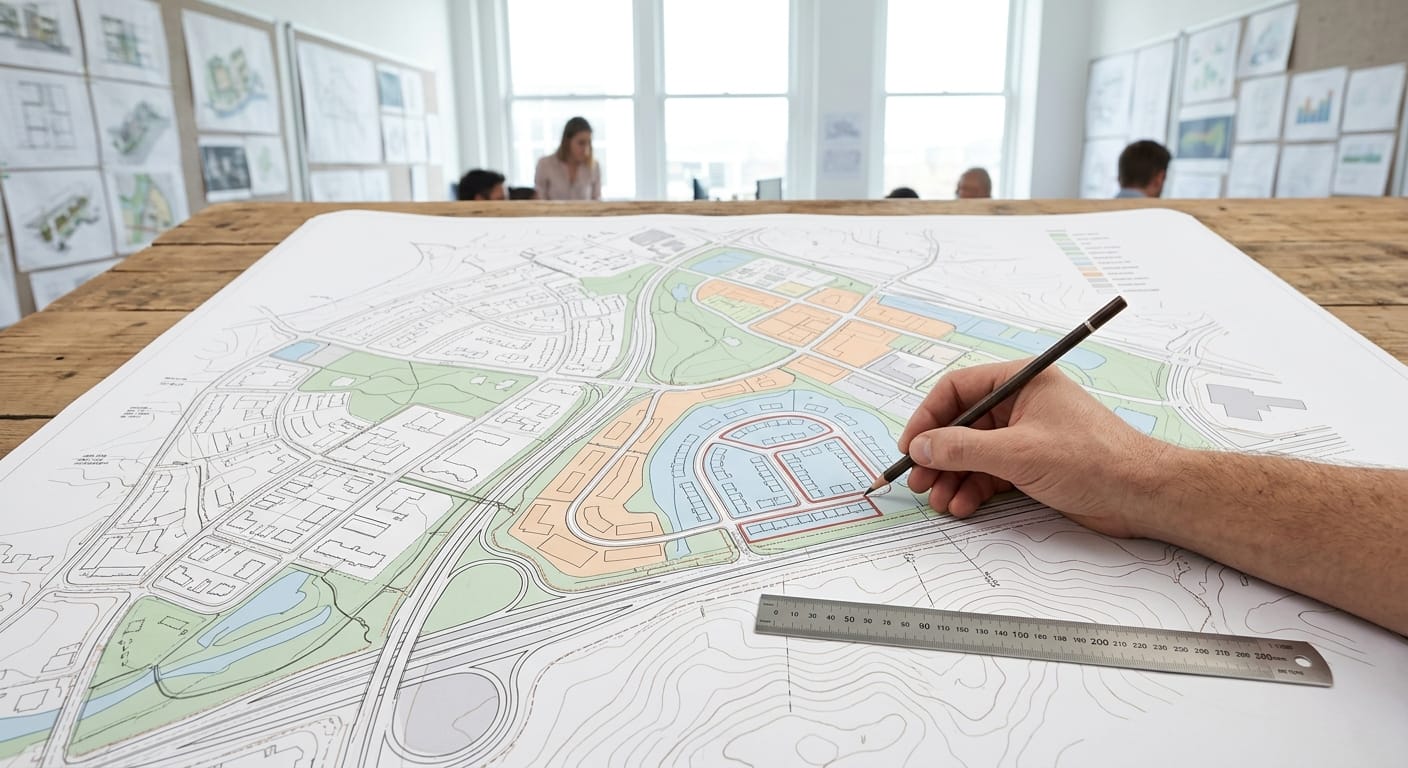
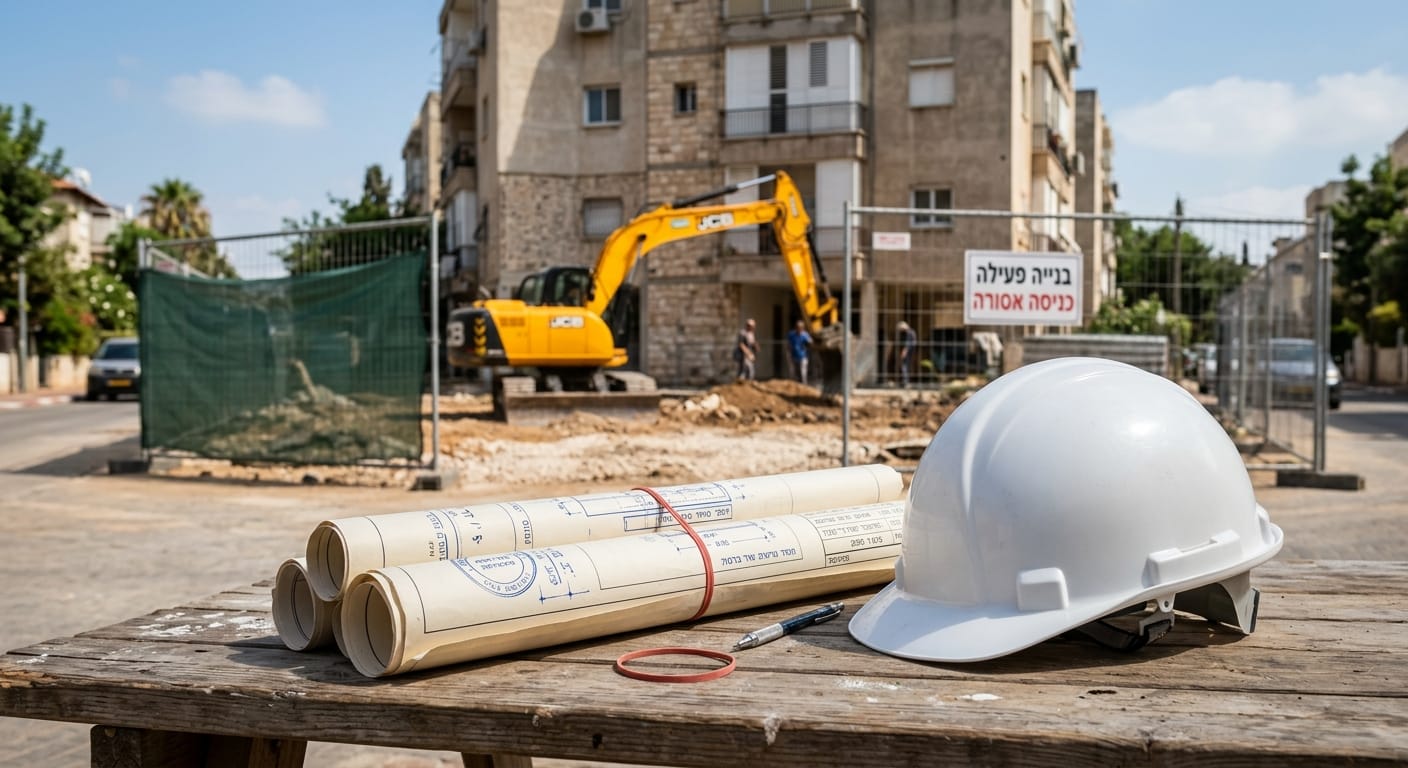
תב״ע, הכרזה, היתר. אלו השלבים שבהם העבודה מתקדמת אצל מוסדות התכנון, המדינה והיזם.
ערבויות, פינוי, מסירה, רישום. כאן נכנסות לפעולה ההגנות שנקבעו בהסכם שנחתם בשלב 6 — כל אחת במועד שלה.
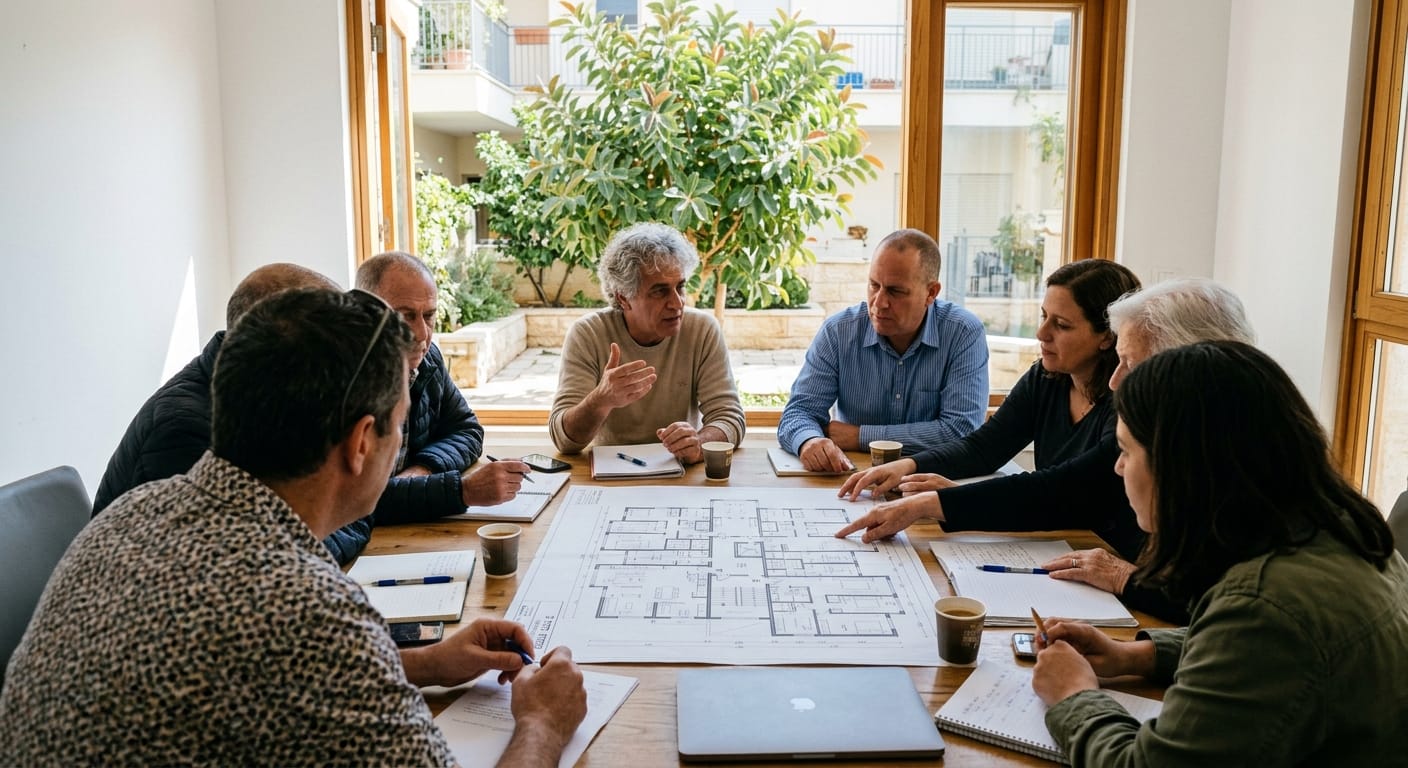
הנציגות, בשם בעלי הדירות
עורך הדין של בעלי הזכויות — נאמנותו לכם בלבד. שכרו, כמו של יתר היועצים, הוא חלק מעסקת הנטו: על חשבון היזם.
למדריך המלאעורך הדין מייצג, אתם חותמים, והתנאים המתלים מכניסים לתוקף
מו״מ משפטי ומסחרי על כל סעיף — ואז חותמים, אצלכם בבית.
למדריך המלאהיזם מקדם, הנציגות מאשרת, מוסדות התכנון מחליטים
אישור התוכנית המפורטת — נקודת הציון התכנונית של הפרויקט.
למדריך המלאאתם מגיעים לרוב, המדינה מכריזה — במסלול פינוי־בינוי
הכרזה על מתחם פינוי־בינוי — ודאות משפטית והטבות מס.
למדריך המלאאתם חותמים על השעבוד, הבנק מנפיק, עורך הדין שלכם מחזיק בנאמנות
מערך ערבויות מלא שמגן על הדירה, הכסף והזכויות שלכם.
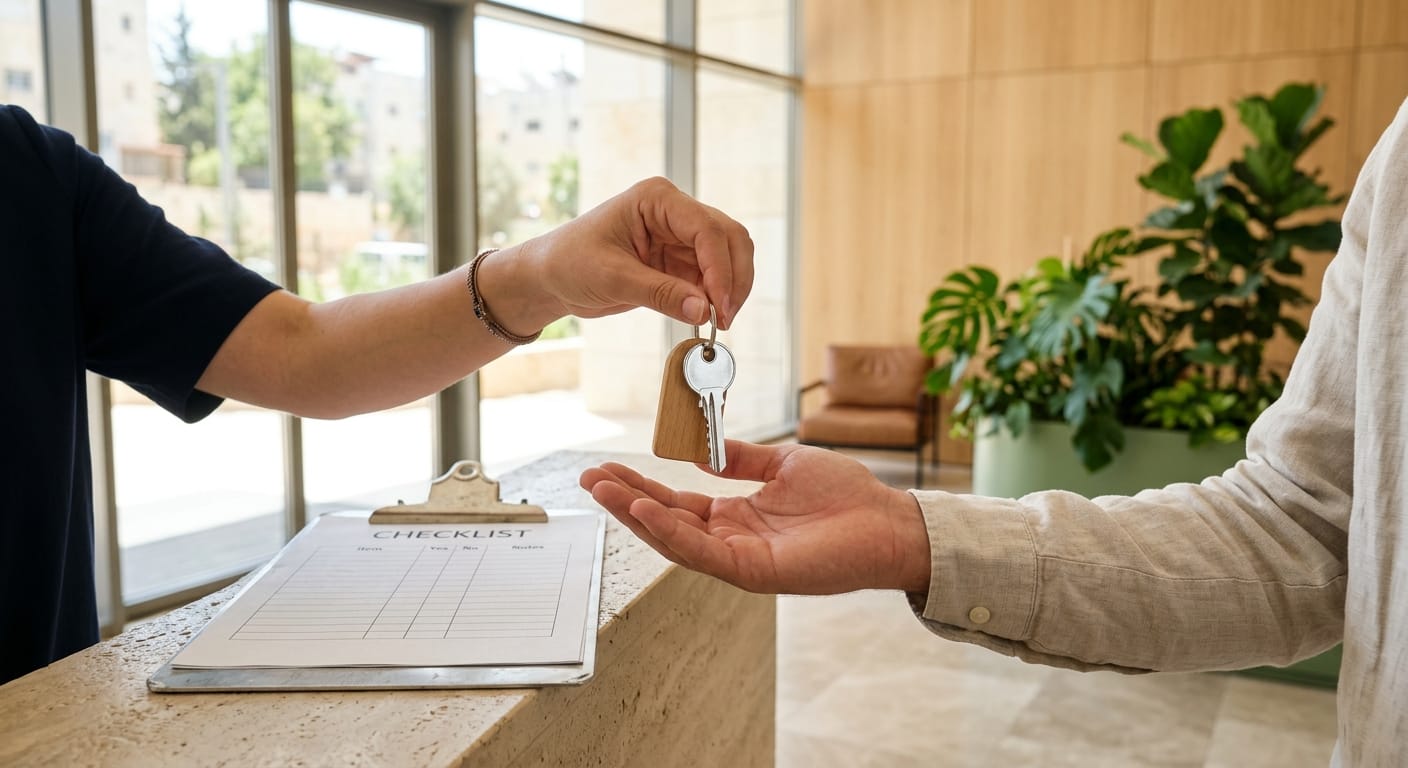
למדריך המלאהקבלן מוסר, המפקח שלכם בודק
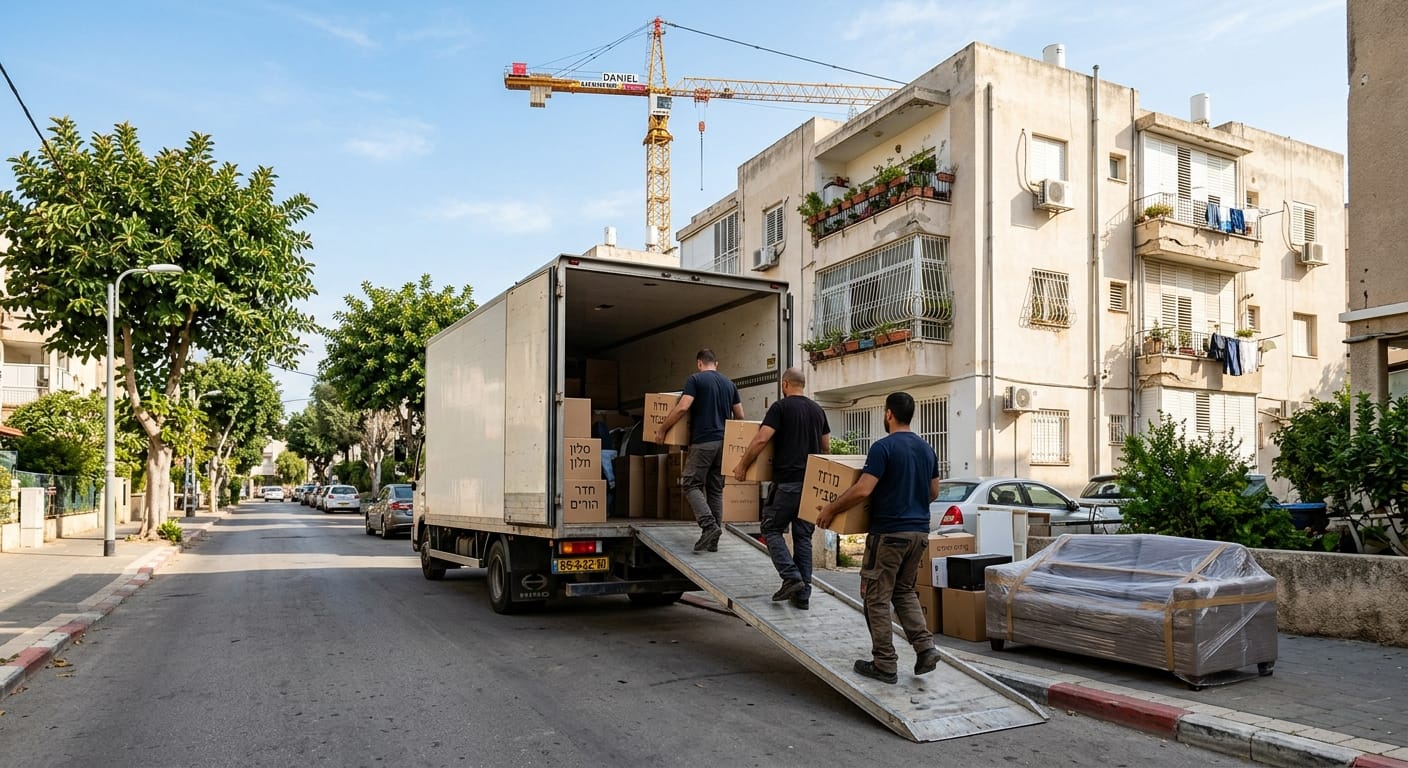
קבלת הדירה החדשה — בליווי המפקח, עד המסירה המלאה.
היזם מבצע, ערבות הרישום מגבה — ועורך הדין שלכם מחזיק בה
רישום הבית המשותף והזכויות שלכם בטאבו — הסגירה האמיתית של הפרויקט.
למדריך המלא*בפרויקטי פינוי־בינוי
לכל מתחם יש מסלול נכון. אנחנו קוראים את התמונה התכנונית — ובוחרים איתכם את הדרך המהירה והבטוחה לדירה החדשה.
התרשים מציג את המסלולים. הוא אינו ייעוץ משפטי, ולכל בניין תשובה משלו.
פינוי ובינוי · מתחם מחודש. כמה בניינים הופכים למתחם אחד, שנהרס ונבנה מחדש. מפנים את הדירה לתקופת הבנייה, ומקבלים דירה חדשה וגדולה יותר.
מי פותח את הדלת: מינימום 24 יחידות במתחם.
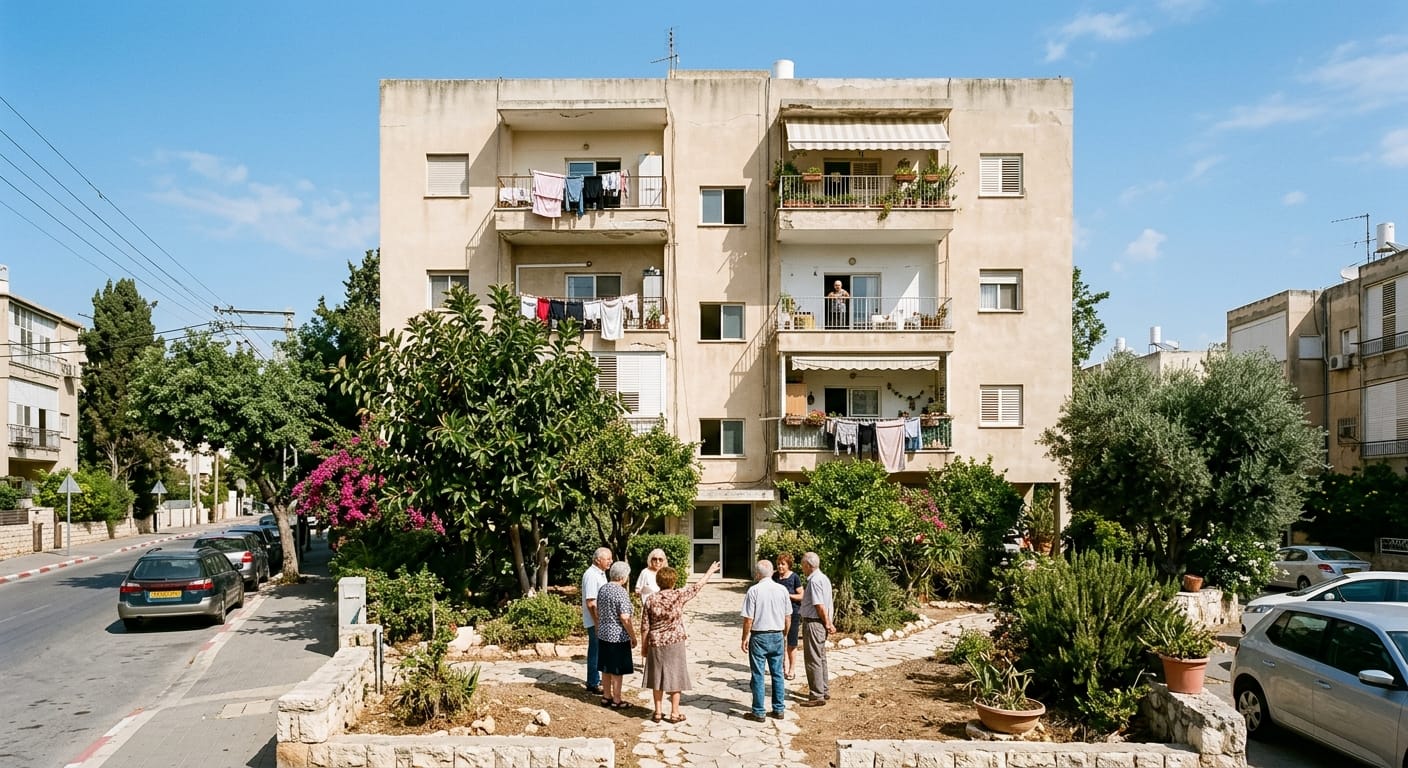
חלופת שקדמה זה חלופת שקד?המסלול שהחליף את תמ״א 38 לבניין הבודד: הוועדה המקומית מאשרת תכנית להריסה ובנייה מחדש או לחיזוק, עם תוספת זכויות שהחוק קובע מראש. הדרך קצרה יותר, והבחירה בין המסלולים היא של בעלי הדירות.חלופת שקד בהרחבה או תוכנית עירונית. בניין בודד על מגרשו. הוועדה המקומית היא שמאשרת, ולכן הדרך קצרה יותר.
מי פותח את הדלת: גיל הבניין. בגדול, בניינים שקיבלו היתר לפני 1980.
בעלי הדירות יוזמים ובוחרים יזם, והיזם שנבחר מקדם את התב״ע ומממן את התכנון.
נקרא גם מסלול מיסוי.
הרשות המקומית מקדמת את התב״ע בעצמה.
טיפ: מומלץ לבחור יזם במהלך קידום התב״עלמה לא לחכות לאישור?תב״ע היא מסמך תכנוני, לא עסקה. בלי גורם מסחרי שמלווה את התכנון, יכולה להיות מאושרת תכנית שמשרתת את הרשות אבל אינה רווחית ליזם, ולכן גם לא מניבה לכם עסקה כדאית. יזם שנבחר מוקדם בודק את הכדאיות תוך כדי, ויכול להתנגד לתכנית גרועה לפני שהיא מאושרת. זה קורה יותר ממה שנדמה..
הבניין נהרס ונבנה מחדש, גדול ומודרני יותר.
יש גם מסלול מהיר: תכנית והיתר מוגשים יחד. בשלושה מגרשים גובלים ומעלה הזכויות גדולות יותר, וכמה בניינים סמוכים יוצרים גם כאן מתחם מחודש.
הבניין נשאר על תילו, מחוזק ומורחב, בדרך כלל בלי לפנות.
מה מקבלים: ממ״ד, מרפסת, לובי חדש, ולעיתים חניון משופר.
ומבני שימור? גם להם יש דרך בחלופת שקד: מחזקים, משמרים, והזכויות מממנות את זה.
זיהיתם את המסלול? נשאר לדעת מה הוא אומר בבניין שלכם.
חמש שאלות על הבניין שלכםלא בטוחים איזה מסלול? ככה רוב הבניינים מתחילים. שלחו לנו את הכתובת, ונחזור אליכם עם תמונת מצב ראשונית לבניין.
לשליחת הכתובתמערך ערבויות שלם, שרובן אף בנקאיות אוטונומיות — כסף חי בבנק, שפודים בלי בית משפט. זה הסטנדרט שאנחנו קובעים בהסכם, עוד לפני שמתחילים לבנות.
שומרים על הבית שלכם
בשווי המלא של הדירה החדשה על הצמדותיה, עם עילות מימוש שאנחנו מוסיפים מעבר לחוק: איחור ממושך במסירה או הפסקת עבודות רצופה.
להבטחת דמי השכירות בדיור החלופי — לפי הערכת שמאי או הסכם בתוקף, הגבוה מביניהם.
להבטחת כל המיסים וההיטלים — בגובה החבות המקסימלית הצפויה, בתוספת מרווח ביטחון.
להבטחת ביצוע עבודות לתיקון ליקויים.
לקיום קרן התחזוקה למען בעלי הדירות הקיימות.
להבטחת הוצאות הרישום בפנקס המקרקעין.
הערבות שמממנת את האכיפה עצמה: עורכי דין, אגרות והוצאות — אם חלילה צריך לממש ערבות.
עם החתימה נרשמות על הדירות שלכם הערות אזהרה לטובת היזם. אצלנו יש תנאי סף לחתימה: ערבות בנקאית ייעודית למחיקתן, שעורך הדין שלכם מפעיל בעצמו. הנכס חוזר אליכם נקי.
כל הערבויות מופקדות בנאמנות אצל עורך הדין שלכם, בכתב הוראות שאינו ניתן לשינוי בלעדיכם. והמשכנתא שהבנק המלווה רושם על הפרויקט — החוב הוא של היזם בלבד: אתם לא ערבים לו ולא חייבים בגינו שקל.
החוק מחייב את היזם להציע לבעל דירה בן 70+ חלופות תמורה ייעודיות, ובן 75+ בוחר בעצמו מבין אפשרויות החלופה הראשונה:
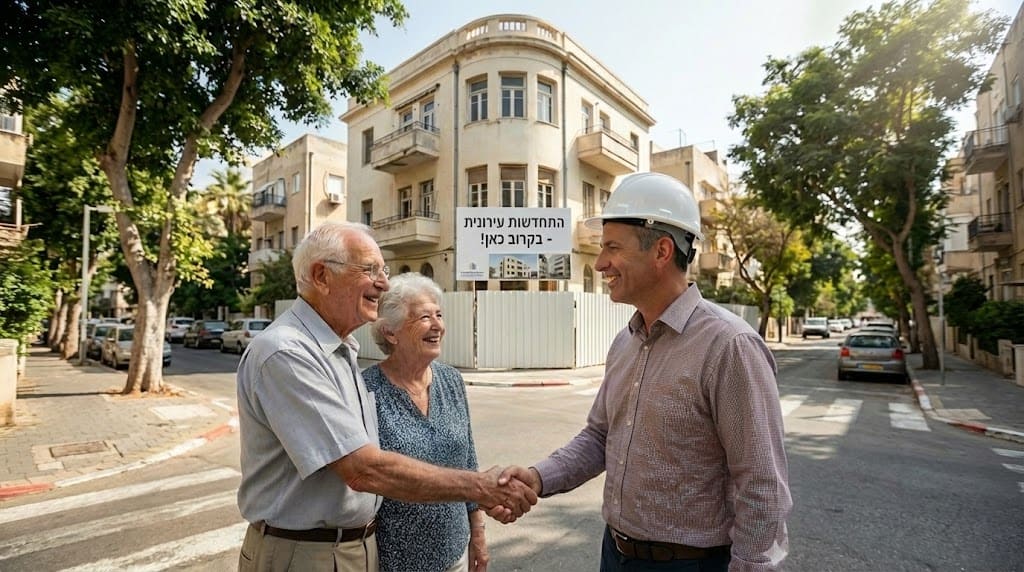
לא הוצעו לקשיש החלופות שלהן הוא זכאי? סירובו לפרויקט ייחשב סירוב סביר. מה נחשב סירוב סביר — המאמר המלא
למדריך המלא — והדרת פני זקןלא הבטחות שיווק — סעיפים חתומים.
כך נראים מנגנונים שהמשרד כבר השיג בהסכמי התחדשות עירונית,
מהמטר הראשון ועד הערבות האחרונה. כל מתחם נסגר על התנאים שלו.
הדירה החדשה = השטח הקיים בתוספת מטרים קבועה, ומרפסת שמש בנוסף. המדידה כוללת גם תוספות ומרפסות היסטוריות שנבנו בהיתר.
אילוץ תכנוני גרע מרפסת או גג? ההסכם קובע מראש כמה שטח עיקרי מקבלים על כל מ״ר שירד — 50% על מרפסת, 30% על גג. אין מיקוח בדיעבד.
חניה תת־קרקעית תקנית ורשומה, בלי מתקן, מכפיל או חניה עוקבת, ומחסן צמוד בכל מקום שהתכנון מאפשר. במקום שבו התכנון מגביל, ההסכם קובע את התמורה החלופית מראש.
דירות הבעלים מהקומה השלישית ומעלה, עם שני כיווני אוויר לפחות ושאיפה מחייבת לשמר את הכיוון הקיים.
לפני שדירות היזם יוצאות לשוק נפתח לבעלים חלון סגור לבחור דירה אחרת בפרויקט: גדולה יותר בתשלום ההפרש בלבד, קטנה יותר בקבלת ההפרש, או שתי דירות במקום אחת.
על חניות ומחסנים שנותרו אחרי החלוקה עומדת לבעלים זכות קדימה — לרכישה לפי מחירון היזם ובהנחה שנקבעה בהסכם.
המפרט שלכם לעולם לא נחות ממפרט הדירות שהיזם מוכר — וכשהוא משפר לרוכשים שלו, השיפור חל אוטומטית גם עליכם. ההסכם מגדיר את היקף החריג של מבצעי השיווק ואת סוגי הדירות שעליהן הוא חל.
הזזת מחיצות, דלתות פנים ונקודות חשמל — בלי עלות ובלי דחיית מסירה, כולל שעות ייעוץ אדריכלי לכל דירה.
שינויים בתשלום? לפי מחירון ״דקל״ בהנחה קבועה מראש, ובלי דמי פתיחת תיק.
פריט מהמפרט שאינכם מבקשים מזכה בזיכוי לפי הגבוה מבין מחירון הקבלן לבין מחיר הזיכוי שבמפרט.
דמי שכירות לפי הגבוה מבין שמאות פרטנית לדירתכם או החוזה בפועל, בהצמדה שנתית של מדד או 5% — הגבוה מביניהם — כל שלושה חודשים מראש, עד המפתח.
עשרות אלפי שקלים לכל דירה קיימת, בשוברים לרכישת מוצרי חשמל וריהוט, עד מועד המסירה של הדירה החדשה — כך שהכניסה אליה לא יוצאת מהכיס שלכם.
מסירה תוך 40 חודשים מתחילת העבודות וגרייס של 30 יום בלבד. מעבר לו — פיצוי חודשי לפי שווי הדירה החדשה, בלי שתצטרכו להוכיח נזק.
עלה הרווח היזמי מעל הרף שנקבע בהסכם? העודף מתחלק גם לבעלים — בתוספת שטח, בשדרוג או בכסף.
היזם נושא בדמי הניהול בבניין החדש חמש שנים — ולקשישים שבע — בכסף שמופקד מראש בקרן נאמנות.
דירה גדולה יותר מזו שמגיעה לכם נרכשת בתשלום ההפרש בלבד — לפי מחירון היזם, ובהנחה שנקבעה בהסכם עוד לפני שהמחירון נכתב.
לבעלים עומדת זכות קדימה לרכוש דירה נוספת בפרויקט — ובמקום שיש בו יחידות מסחר, גם חנות — במחיר שנקבע בהסכם, לפני שהיא מוצעת לשוק.
היזם נושא בהובלה בשני הכיוונים ובדמי התיווך למציאת הדירה החלופית, ולמי שזקוק לכך גם באריזה, בפירוק ובסיוע בניתוק החשבונות. מעבר לדירה עצמה נקבע מענק לכל בעלים — במזומן או בשוברים לריהוט ולמוצרי חשמל — חלקו במועד הפינוי וחלקו במסירת הדירה החדשה.
קיבל בעלים בודד תמורה עודפת מחוץ למנגנון? כולם זכאים לה. הורחב המתחם בתנאים טובים יותר? הם חלים על כולם.
את הדירות החדשות מקצה שמאי מטעם הבעלים, לפי ניקוד שקוף שעובר את ביקורת הנציגות. היזם אינו צד להקצאה.
עורך דין, מפקח, שמאי, יועץ מס ויועץ ביטוח לבעלים — כולם במימון היזם. אתם לא מוציאים שקל.
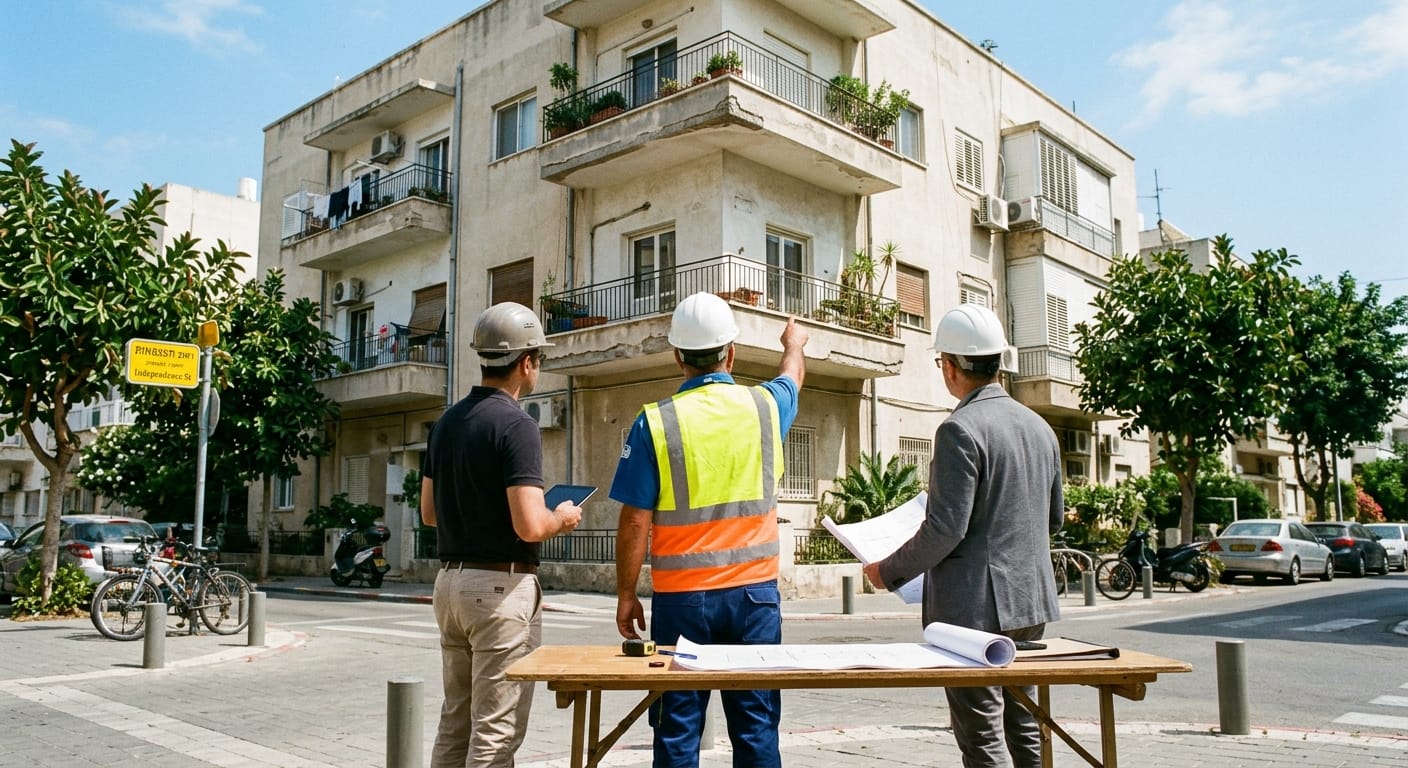
הדירה הקיימת נמדדת בידי מודד מוסמך, לפי כללי מדידה אחידים ועל חשבון היזם, וזהות המודד נקבעת בהסכמה עם הנציגות. מהמספר הזה נגזרת כל התמורה.
כל מנגנון כאן לקוח מהסכם חתום שהמשרד ניהל — וכולם נקודת הפתיחה שלנו במשא ומתן הבא.
עונים על חמש שאלות קצרות ומקבלים אינדיקציה ראשונית לבשלות הבניין — ואת התמונה המלאה משלימים איתנו בשיחה.
בודק כדאיות
1מתי בערך נבנה הבניין?
2כמה דירות יש בבניין?
3יש ממ״ד ומעלית?
4האם חלה בעיר תוכנית כוללת להתחדשות (כמו ח/619 בחולון)?
5יש עניין בין השכנים?
אינדיקציה ראשונית בלבד על בסיס התשובות — אינה חוות דעת משפטית או תכנונית.
עורך דין משלכם, של בעלי הזכויות בלבד, שהנציגות בוחרת בשם כולם. הוא מתמנה לפני מכרז היזמים, מנהל את המשא ומתן על התמורות, הערבויות ולוח הזמנים, ומלווה אתכם עד רישום הזכויות.
איך בוחרים את עורך הדין שלכםפחות ממה שאומרים לכם. בפינוי־בינוי: 2/3 לפחות מהדירות שבמקבץ, ובתוך כל בניין גם 3/5 מהדירות ויותר ממחצית מהרכוש המשותף. בבניין בודד שנהרס ונבנה מחדש: 2/3 מהדירות ומהרכוש המשותף. סופרים דירות, לא אנשים — ואת החשבון הזה אנחנו עורכים איתכם, דירה אחרי דירה. (מידע כללי, לא ייעוץ משפטי.)
איך סופרים את הרוב, מסלול אחר מסלולעורך הדין של בעלי הזכויות נפרד מעורך הדין של היזם, ונאמנותו לכם בלבד. זו עסקת נטו לבעלי הדירות: שכר הטרחה שלו ושל יתר היועצים על חשבון היזם — כך בנוי מנגנון הפרויקט.
מערך מלא: ערבות חוק המכר המשופרת בשווי הדירה החדשה, ולצידה ערבויות בנקאיות — שרובן אוטונומיות — לדמי שכירות, מיסים, בדק, קרן תחזוקה ורישום, וכן ערבות עיכובים ייעודית שאנחנו דורשים בהסכמים שלנו.
בפינוי־בינוי המתחם נהרס ונבנה מחדש בפרויקט גדול; בחלופת שקד (יורשת תמ״א 38) ההתחדשות היא ברמת הבניין — חיזוק ועיבוי או הריסה ובנייה. לכל מסלול יתרונות, לוחות זמנים ומיסוי משלו.
תלוי במסלול ובמצב התכנוני של המתחם. כשחלה תוכנית כוללת להתחדשות עירונית (כמו ח/619 בחולון), ניתן לעיתים לגשת להיתר ישירות — ולחסוך 3–5 שנים.
זו נקודת פתיחה מצוינת: ודאות תכנונית גבוהה, מכרז יזמים תחרותי יותר, ולעיתים דרך ישירה להיתר בנייה ללא תב״ע נקודתית. שווה לבדוק את הקטגוריה המדויקת של המגרש שלכם — זה בדיוק מה שאנחנו עושים.
תכנון והיטל השבחהבהסכמים שלנו תקופת הגרייס היא 30 יום בלבד. מעבר לה — פיצוי חודשי לפי שכר הדירה של הדירה החדשה (לא הישנה), בלי שתצטרכו להוכיח נזק. ובמקרי קיצון — איחור ממושך או עצירת עבודות — ניתן לממש את ערבות חוק המכר עצמה.
כן, אפשר למכור את הדירה באמצע הפרויקט. ההסכם משריין את הזכות למכור לכל אורך הדרך — לפני ההיתר, במהלך הבנייה וגם אחרי המסירה — כשהערבויות מוסבות לרוכש ושכר הטרחה על ההעברה מוגבל לתעריף שבדין.
דירה יד 2 — קנייה ומכירהלא היזם. שמאי מטעם הבעלים מנקד את הדירות הקיימות לפי פרמטרים שמאיים, הניקוד עובר לעיון הנציגות, וההקצאה נגזרת ממנו בשקיפות מלאה.
בבניין חדש דמי הניהול גבוהים מוועד בית ישן — ולכן בהסכמים שלנו היזם נושא בהם חמש שנים לדיירים שחוזרים, ושבע שנים לקשישים ולבעלי מוגבלויות, בכסף שמופקד מראש בקרן נאמנות.
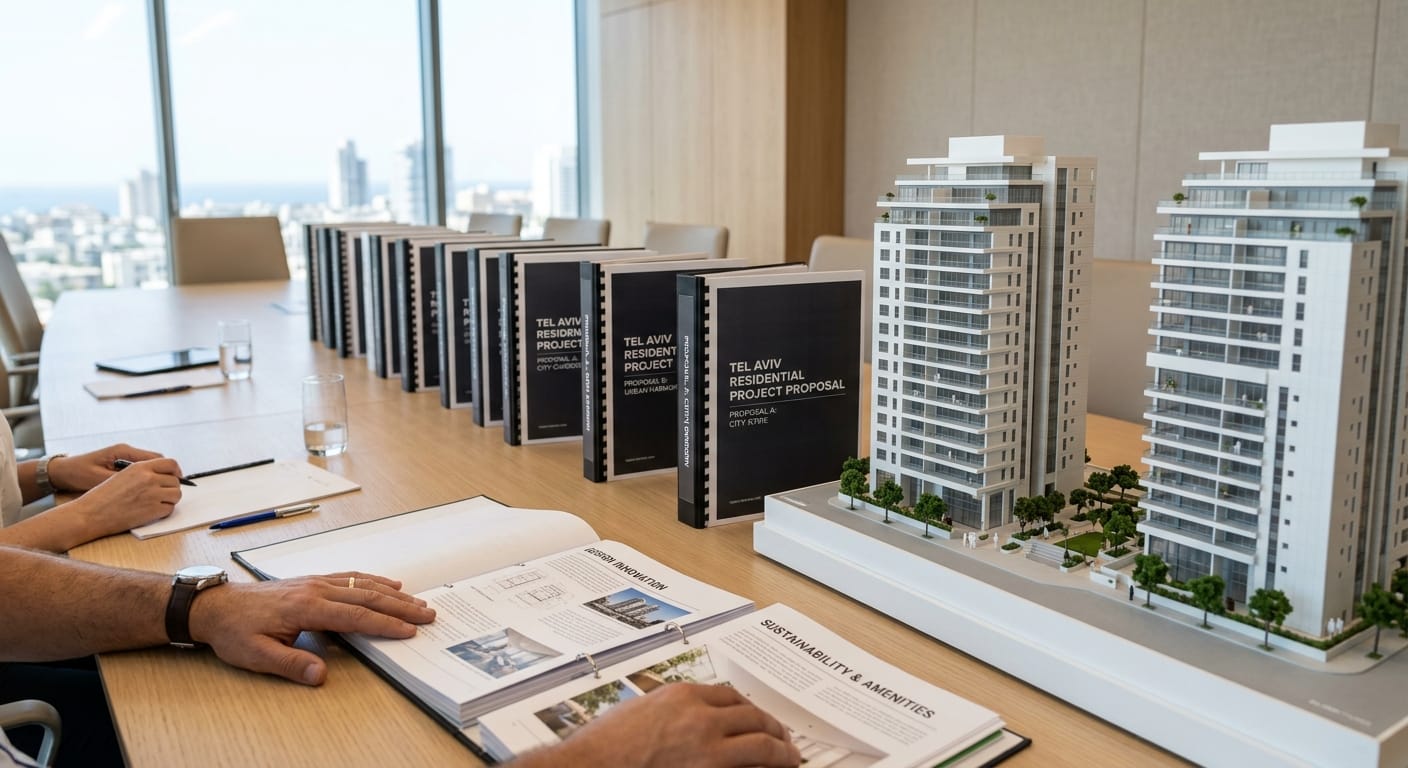
המשרד מנהל מכרזי יזמים בשיתוף נציגות בעלי הזכויות — מתחם מאורגן ותהליך אחד שכל המציעים מכירים מראש. את ההתארגנות, החלק האיטי של הפרויקט, כבר עשינו. ההצעות נמדדות במה שמונח על השולחן: תמורות, בטוחות, לוח זמנים והאיתנות הפיננסית שעומדת מאחורי כל אלו. אין הצעה שנכנסת מחוץ לתהליך.
הפנייה מגיעה ישירות למשרד, באחד מאלו:
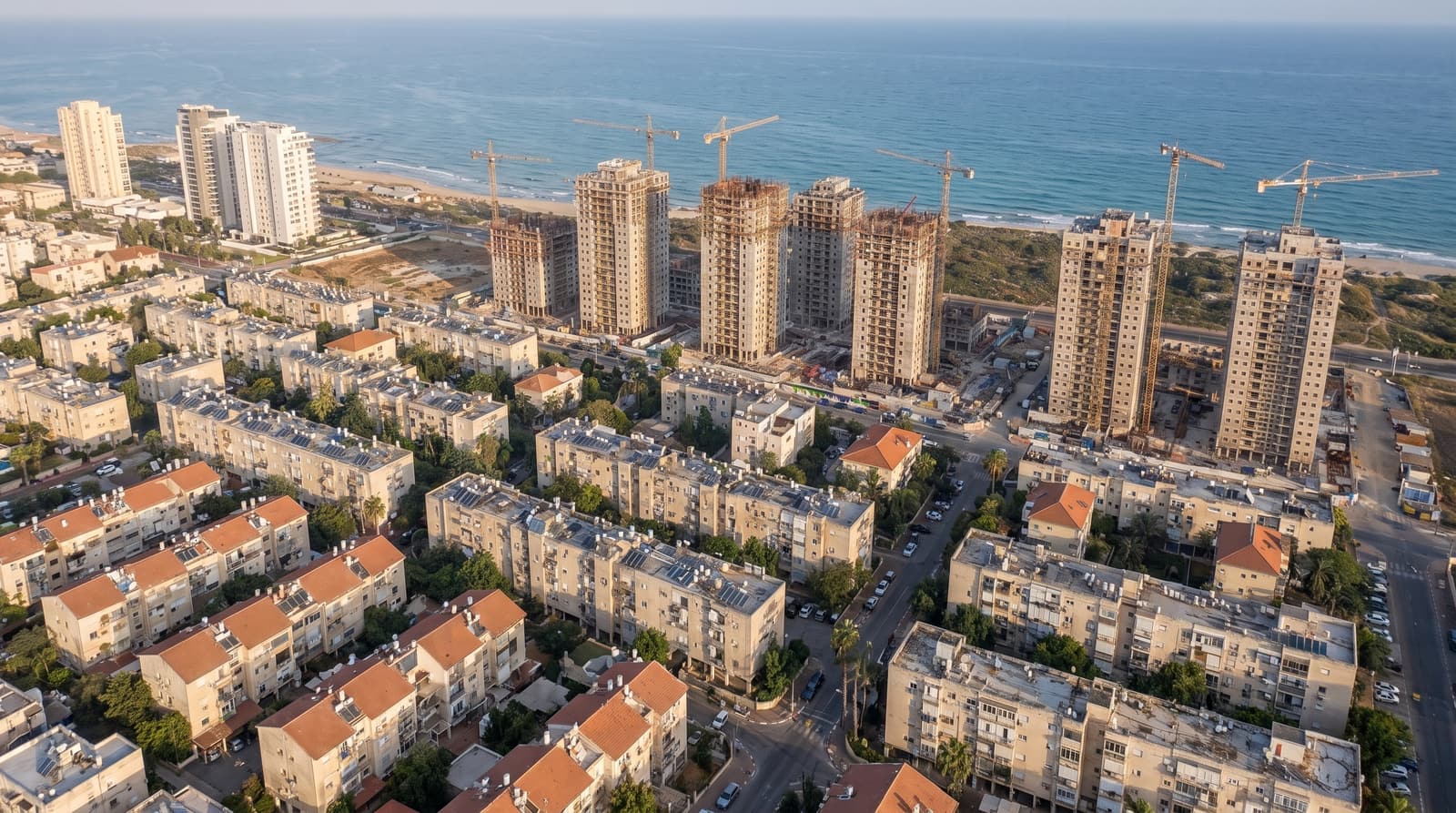
דירה שאתם קונים או מוכרים, בניין שנכנס להתחדשות, או חוזה שמחכה להחלטה. משאירים שם וטלפון, ואנחנו חוזרים אליכם לשיחה עם עורך דין בכיר מהצוות: שומעים אתכם, ואומרים מה השלב הבא — גם כשהוא לא אצלנו.