הקראת עיקרי ההצעה
בשעה טובה, בעלי הדירות פגשו בכנס את היזמים הַפַּיְנָלִיסְטִים, ובחרו בזוכה. אחרי גיבוש הסכם ההתחדשות העירונית ומו"מ של עו"ד בעלי הדירות, ימסור היזם לכל בעלי הדירות בבניין מסמך עיקרי הצעה, וזאת לא יאוחר משבועיים לפני חתימת עסקת פינוי-ובינוי ראשונה, או עסקה ראשונה לפי תכנית החיזוק. במסמך עיקרי ההצעה יפורטו, בין השאר, העקרונות לקביעת התמורה המוצעת על ידי היזם, הבטוחות שהוא מציע לבעלי הדירות, וכן פרטים אודות ניסיונו המקצועי. לבקשת 15% או שלושה מבעלי הדירות, יתורגמו עיקרי ההצעה לאמהרית, לרוסית או לערבית. נהוג שהיזם הנבחר מקיים כנס נוסף שנקרא "אירוע הקראה" בו מוצגים עיקרי ההצעה לעסקת ההתחדשות העירונית בפרויקט.
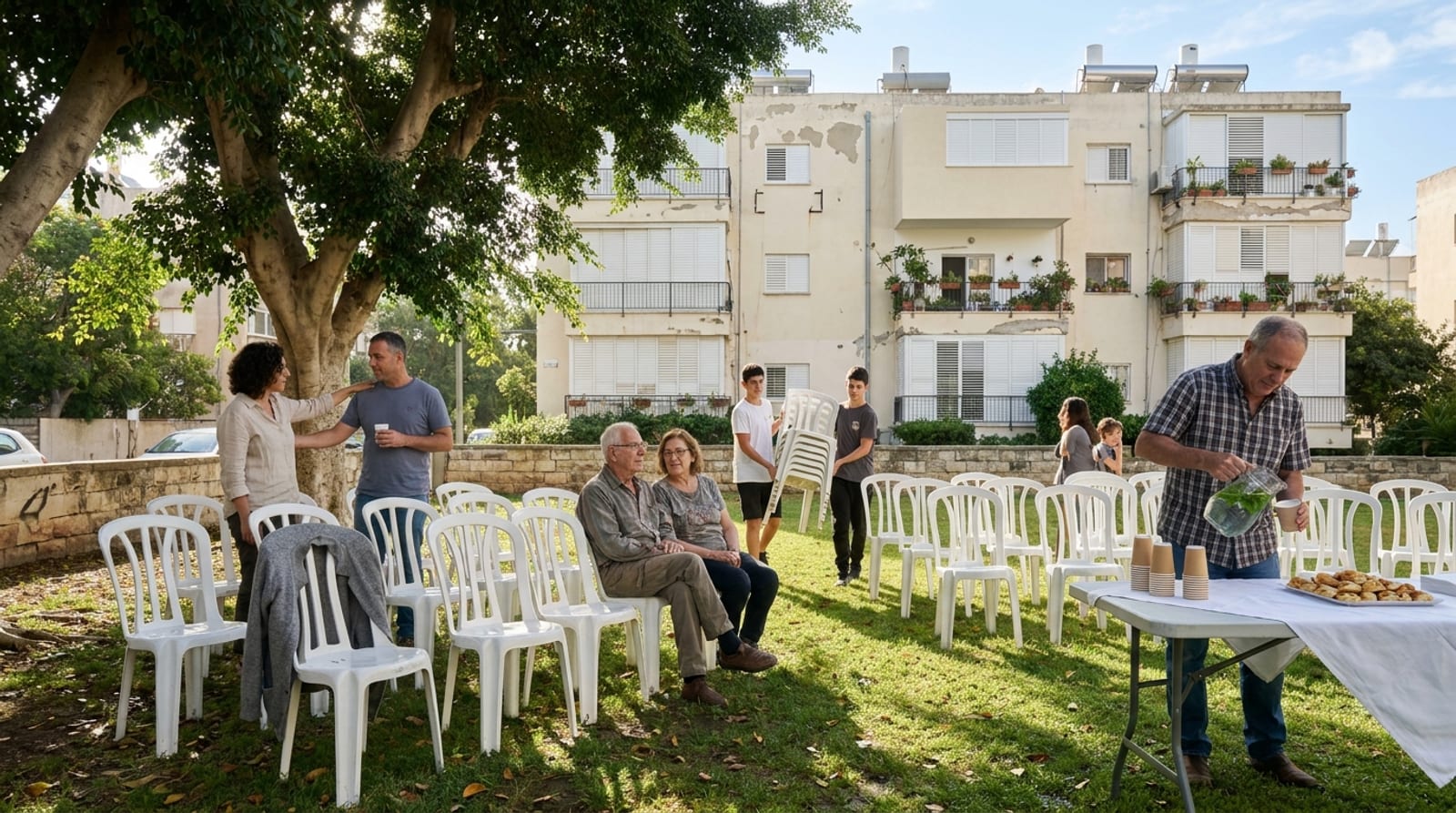
הצגת עיקרי ההצעה לעסקת התחדשות עירונית
בכנס היזם יפרט אודותיו ואודות זכויות בעלי הדירות בפרויקט ההתחדשות העירונית:
- הניסיון המקצועי של היזם, יחד עם רשימת הפרויקטים שביצע ב-10 השנים האחרונות;
- הליכים משפטיים ומינהליים כנגד היזם;
- סוג העסקה המוצעת;
- מאפייני הפרויקט המוצע – מספר דירות בבניין, מספר קומות, האם הבניין יכלול עירוב שימושים (שטחי מסחר) חיבור למגרשים סמוכים ועוד;
- התמורה המוצעת לבעלי הדירות – תוספת לשטח הדירה, תוספת של הצמדות לדירה (כגון: מרפסת שמש, מחסן, חניה), מפרט הדירה. בעסקת פינוי-ובינוי ובהריסה ובנייה מחדש לפי תכנית החיזוק – גם פירוט קומה וכיווני אוויר של דירת התמורה, שכר דירה לתקופת הבנייה והובלה של תכולת הדירה הלוך-וחזור;
- לוח זמנים משוער לקידום שלבי הפרויקט.

מה עוד בהצעה לעסקת התחדשות עירונית
- הוצאות הפרויקט – פירוט העלויות וההוצאות שבהן יישא היזם, כגון: עלויות ההקמה של הפרויקט, מיסים, שכ"ט עו"ד ויועצים נוספים מטעם בעלי הדירות;
- פירוט התנאים המתלים* ופרק הזמן לקיומם;
- אופן מימון הפרויקט – קיומו של ליווי בנקאי או מימון בדרך אחרת;
- בטוחות– פירוט הערבויות המוצעות*, לרבות בטוחה לדירת תמורה, דמי שכירות, בדק, מיסים, רישום** ועוד;
- קרן תחזוקה וארנונה – עלות התחזוקה של הבניין צפויה לעלות בשל המערכות החדשות בו (כגון: מעליות, גנרטורים ומערכות כיבוי אש). היזם יפרט אם יישא בעלות התחזוקה ולאיזו תקופה וכן הבהרה בדבר סכום הארנונה שצפוי להשתנות אם לפי גודל דירת התמורה;
- פירוט עניין אישי בפרויקט של היזם.
* מהם תנאים מתלים ואיזה ערבויות חשוב לדרוש בהסכם התחדשות עירונית? בואו למאמר על סעיפים מהותיים בהסכם התחדשות עירונית. ** למה חשוב הרישום בפנקס המקרקעין? זה בייסיק. ראינו את זה ממש בהתחלה, במאמר על זכות הבעלות במקרקעין.
חתימה ראשונה בפרויקט על עסקת התחדשות עירונית
בשעה טובה עברו שבועיים מאירוע ההקראה של עיקרי ההצעה, מברוק! מתקדמים לחתימה על הסכם ההתחדשות העירונית! מה הלאה?
מסירת מסמך עיקרי הצעה מטעם היזם לעסקת התחדשות עירונית
למה חשוב שהיזם יקיים כנס התחדשות עירונית וימסור את מסמך עיקרי ההצעה לפי הספר? ואם לא, מה הסנקציה?
אם נחתמה עסקת התחדשות עירונית לפני שנערך כינוס של בעלי הדירות או לפני שנמסר מסמך עיקרי הצעה, רשאים רוב בעלי הדירות להחליט על ביטול העסקאות, כל עוד לא חתמו 40% מבעלי הדירות על הסכם התחדשות עירונית עם היזם; אם הוחלט על ביטול עסקאות כאמור, תימסר על כך הודעה ליזם בכתב, ולא יראו את בעלי הדירות שהתקשרו בעסקה כמי שהפרו את ההתקשרות עם היזם.
המידע לעיל מהווה מידע ראשוני בלבד ואין הוא מהווה ייעוץ משפטי או תחליף לו ואין באמור לעיל בכדי להוות המלצה לנקיטת הליכים ו/או להימנעות מהם. מומלץ להיוועץ עם עו"ד העוסק בתחום בטרם נקיטת כל פעולה. למען הסר כל ספק, האחריות לכל תוצאה בשל הסתמכות על האמור לעיל תחול על המשתמש בלבד.
שאלה על הנושא הזה בתיק שלכם? כתבו לנו — נענה לגופו של עניין, לא בכלליות.
מקור מועדף מאפשר לכם לראות את המאמרים החדשים שלנו יותר ב“כתבות מובילות”, כשתחפשו שוב נושא מהתחום. וזו הזדמנות טובה גם לפרגן לנו.
הוספה כמקור מועדף ב-Google (נפתח בלשונית חדשה)
מידע כללי — לא ייעוץ משפטי.