ההחלטה נשארת שלכם.
ייפוי כוח מתמשך — עריכה, הנחיות מקדימות והפקדה אצל האפוטרופוס הכללי
ייפוי כוח מתמשך הוא המסמך שבו אדם בגיר קובע מראש מי ינהל את ענייניו אם יגיע יום שבו לא יוכל להחליט בעצמו. הוא קובע גם מה בדיוק מותר למיופה הכוח לעשות. המסמך נערך בטופס שנקבע בתקנות ונחתם בפני עורך דין שעבר הכשרה ייעודית. אצלנו הוא נכתב גם בשפה של מקרקעין: מה נעשה בדירה, באילו תנאים, ומה קורה כשהבניין נכנס להתחדשות עירונית.

מסמך שאפשר לחתום עליו רק כשלא צריך אותו.
החוק מתנה את החתימה בכשירות: רק אדם בגיר שמסוגל להבין את משמעות המסמך, מטרותיו ותוצאותיו רשאי לתת ייפוי כוח מתמשך. זה מסמך של אנשים בריאים, שנכתב הרבה לפני שמישהו זקוק לו.

אתם בוחרים את האדם
אדם בגיר בעל כשירות ממנה מיופה כוח אחד או יותר, ורשאי לקבוע גם מיופה כוח מחליף שייכנס בנעליו אם המינוי יפקע. הבחירה נעשית בזמן שלכם, ומתוך היכרות שרק לכם יש.
ההוראות שלכם מחייבות את מיופה הכוח
הנחיות מקדימות הן חלק מהמסמך: הממנה מפרט מראש את רצונו לגבי החלטות עתידיות, וכשמגיע הרגע מיופה הכוח פועל בהתאם להנחיה. לא לפי מה שנשמע לו הגיוני באותו יום.
מסמך מופקד קודם למינוי אפוטרופוס
בית המשפט לא ימנה אפוטרופוס לאדם בגיר אם ״לא הופקד אצל האפוטרופוס הכללי ייפוי כוח מתמשך של האדם בעניינים שלגביהם מתבקש המינוי״, אלא במצבים שהחוק מונה במפורש.
הכשרות המשפטית נשארת אצלכם
החוק אומר את זה במילים שלו: ״אין בכניסתו לתוקף של ייפוי כוח מתמשך, כשלעצמה, כדי לשלול את כשרותו המשפטית של אדם״. אדם ממשיך להיות מי שהוא, גם כשמישהו מסייע לו לנהל את ענייניו.
המשפחה לא נדרשת לנחש
הממנה מציין במסמך אדם מיודע, שמיופה הכוח מיידע אותו על החלטות ופעולות. וכשאין הנחיה מפורשת, החוק קובע סדר הכרעה מחייב: קודם רצונו של הממנה, ורק אחריו טובתו.
שלושה עולמות, מסמך אחד.
החוק מפריד בין ענייניו האישיים של אדם לבין ענייני הרכוש שלו. אפשר לתת ייפוי כוח על התחום האחד, על האחר או על שניהם, ואפשר גם למנות אדם אחר לכל תחום. העניינים הרפואיים הם עולם בפני עצמו, עם כללי חתימה משלו.
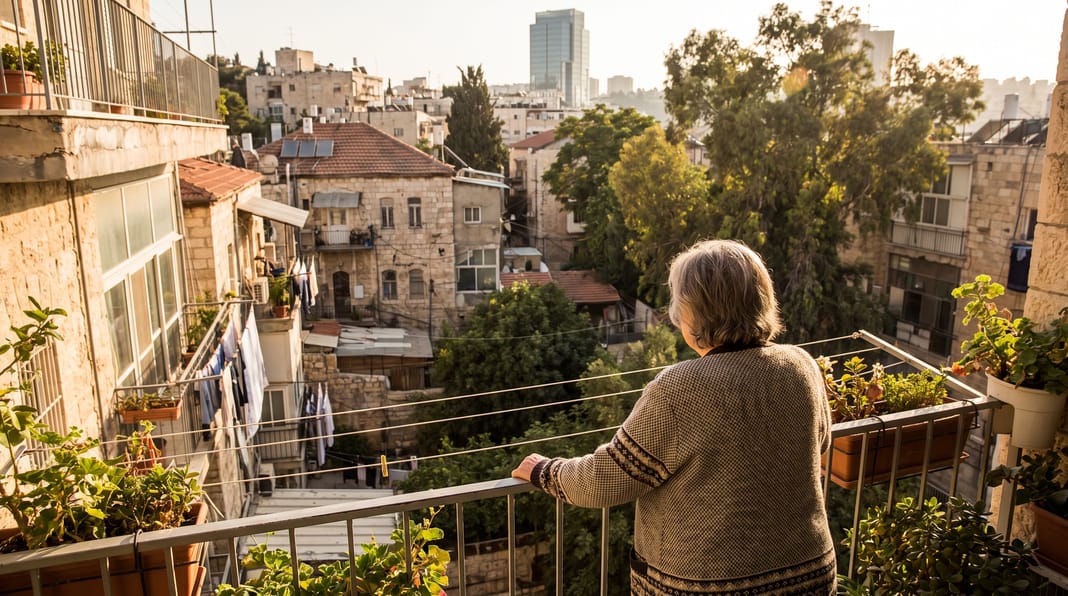
עניינים אישיים
איפה גרים, איך חיים, ומה מחזיק את השגרה. החוק מגדיר את אלו כענייני רווחתו האישית של אדם, צרכיו היום-יומיים, מקום מגוריו, בריאותו וענייניו הגופניים, הנפשיים או החברתיים — ובמפורש לא ענייני רכוש.
- להישאר בבית עם מטפל, ולא לעבור לבית אבות
- לשחות כל יום
- בית הכנסת והמועדון, באותו קצב
- שהילדים והנכדים יבקרו בכל יום ראשון
- להסתפר כל שבועיים
- לאכול טבעוני, או בכשרות מסוימת
עניינים כספיים
ניהול חשבונות הבנק, ההשקעות והנכסים. חלק מהפעולות כאן מותרות רק אם הממנה הסמיך אליהן במפורש בגוף המסמך. מתנות, תרומות והלוואות מוגבלות בחוק לסכום שנקוב בייפוי הכוח, ולא יעלה במצטבר על 100,000 שקלים. מעבר לכך נדרש אישור בית המשפט.
- מתנה לכל נכד ונכדה שמתחתנים
- המשך תמיכה קבועה שנתתם שנים
- ניהול השקעות לפי רמת הסיכון שאתם קובעים
- פעולה במוצר פנסיוני — רק בהסמכה מפורשת
עניינים רפואיים
מי מטפל, באילו תרופות, ואיפה. על ייפוי כוח רפואי אפשר לחתום גם בפני רופא, עובד סוציאלי, פסיכולוג או אח מוסמך, ולא רק בפני עורך דין. ייפוי כוח רפואי שלא הופקד אצל האפוטרופוס הכללי תקף לשנה אחת בלבד. העמדה על טיפולים בסוף החיים נכתבת במסמך נפרד לפי חוק החולה הנוטה למות, התשס״ו-2005, משום שמיופה כוח לפי חוק הכשרות אינו מוסמך לפעול שם.
- הרופא שמכיר אתכם ימשיך לטפל
- התרופות הקבועות נשארות קבועות
- מקום אשפוז מועדף
- מי מקבל את המידע הרפואי, ומי לא

כשיש דירה, המסמך נכתב כמו עסקה.
רוב ייפויי הכוח המתמשכים אומרים על הרכוש משפט אחד כללי. אצלנו זה פרק. החוק מבחין בין פעולות שמיופה הכוח עושה לבד, פעולות שדורשות הסמכה מפורשת בגוף המסמך, ופעולות שטעונות אישור בית המשפט מראש. כמעט כל מה שנוגע לדירה יושב בשתי הקבוצות האחרונות, ושם מתחילה העבודה.
מכירת הדירה — מה החוק דורש, ומה אתם קובעים
העברה של דירה, וכל עסקה במקרקעין, אינן בסמכותו של מיופה הכוח בלי אישור בית המשפט מראש. אותה מגבלה בדיוק חלה על אפוטרופוס שמונה בבית משפט. המסמך שלכם קובע את התוכן: האם למכור בכלל, באיזה מצב, מה קודם למה, ומה נעשה בתמורה. ההנחיה הזו מחייבת את מיופה הכוח, והיא גם זו שמונחת לפני בית המשפט.
משכון ומימון הטיפול
שעבוד של דירה, והמחאה או שעבוד של זכות לקבלת זכות במקרקעין, טעונים גם הם אישור מראש. אבל ההכרעה האמיתית נופלת הרבה קודם, בהנחיות המקדימות: מה מממן את הטיפול, מה נשמר, ומה סדר העדיפויות בין הנכסים. כשזה כתוב מראש, איש לא נדרש להמציא תשובה תחת לחץ.
השכרה וניהול שוטף
כאן החוק פותח פתח: השכרה של נכס לתקופה שאינה עולה על חמש שנים, שהוראות חוק הגנת הדייר אינן חלות עליה, מוחרגת מרשימת הפעולות הטעונות אישור. בפועל, הדירה ממשיכה להיות מושכרת ומנוהלת, ובמסמך נכתב באילו תנאים, למי, ומה נעשה בדמי השכירות.
כשהבניין בהתחדשות עירונית
חתימה על הסכם עם יזם היא התחייבות לעשות עסקה במקרקעין, ולכן היא נמצאת ברשימה הטעונה אישור מראש. למסמך נכנסת העמדה שלכם: האם להצטרף, מהם תנאי הסף שלכם, ומי מקבל לאורך הדרך את המידע מהנציגות ומעורך הדין של בעלי הדירות. כך הדירה ממשיכה להיות מיוצגת בפרויקט, גם כשהבעלים כבר אינו מנהל את העניין בעצמו.
ייפוי כוח מתמשך מול מינוי אפוטרופוס.
אלו לא שתי גרסאות של אותו דבר. האחד נכתב בידי האדם עצמו בזמן שהוא כשיר, השני נקבע בבית משפט אחרי שכבר אינו. כל הבדל בטבלה כתוב בחוק — כולל השורה האחרונה, שבה שני המסלולים נפגשים.
| השאלה | ייפוי כוח מתמשך | מינוי אפוטרופוס |
|---|---|---|
| מי בוחר | הממנה. אדם בגיר בעל כשירות בוחר מיופה כוח אחד או יותר, ומיופה כוח מחליף. | בית המשפט ממנה, לפי שיקול דעתו. |
| מתי זה נקבע | מראש, בזמן שהממנה מבין את משמעות המסמך, מטרותיו ותוצאותיו. | בדיעבד, כשאדם אינו יכול לדאוג לענייניו ואין מי שמוסמך ומוכן לדאוג להם במקומו. |
| האם צריך בית משפט כדי להתחיל | לא. ייפוי כוח שניתן לפי החוק אינו טעון אישור אחר. נדרשת הפקדה אצל האפוטרופוס הכללי. | כן. הליך והחלטה של בית המשפט. |
| מי כותב את התוכן | הממנה, בהנחיות מקדימות שמחייבות את מיופה הכוח. | בית המשפט קובע את העניינים שיימסרו לאפוטרופוס, ומצמצם אותם ככל האפשר. |
| מה קורה לכשרות המשפטית | נשמרת. הכניסה לתוקף, כשלעצמה, אינה שוללת כשרות משפטית. | המינוי הוא הגבלה, ולכן החוק מתיר אותו רק כשלא ניתן להשיג את המטרה בדרך המגבילה פחות. |
| היחס בין השניים | ייפוי כוח מופקד קודם. בית המשפט לא ימנה אפוטרופוס באותם עניינים, אלא במצבים שהחוק מונה. | המינוי פתוח כשאין ייפוי כוח מופקד, או בהתקיים אותם מצבים. |
| ביטול ושינוי | הממנה מוסר הודעה בכתב למיופה הכוח, והביטול נכנס לתוקף במועד המסירה. | שינוי היקף הסמכויות, החלפה או פיטורין נעשים בבית המשפט. |
| פיקוח ודיווח | לפי מה שקבע הממנה: אדם מיודע מטעמו, ואפשרות לחייב דיווח לאפוטרופוס הכללי. | פרטה תוך שלושים ימים מהמינוי, וחשבונות ודין וחשבון שנתי לאפוטרופוס הכללי. |
| מי מקבל את המסמך | החוק מונה במפורש מי זכאי לקבל מידע על ההפקדה והעתק מייפוי הכוח. | התיק מתנהל בבית המשפט, ומעגל הגורמים נקבע בהליך. |
| עסקה בדירה | טעונה אישור בית המשפט מראש — על בסיס ההנחיה שהממנה כתב מראש. | טעונה אישור בית המשפט מראש. |
מהפגישה הראשונה עד אישור ההפקדה
ייפוי כוח מתמשך נערך בכתב על גבי טופס שנקבע בתקנות, ונחתם בפני עורך דין שעבר הכשרה ייעודית לעריכת ייפויי כוח מתמשכים ואין לו עניין אישי במסמך. אלו הדרישות הצורניות. את התוכן קובעים בשיחה.

- 01
פגישה ראשונה, בלי מיופה הכוח בחדר
החוק מחייב את עורך הדין להביא לידיעת הממנה שישה דברים לפני החתימה, ובהם החלופות הקיימות בדין, מה מותר לכלול במסמך, אילו פעולות טעונות הסמכה מפורשת ואילו טעונות אישור בית המשפט. ההסבר ניתן לממנה בלא נוכחות מיופה הכוח.
- 02
מה אתם באמת רוצים
שיחה על השגרה, על הבריאות, על הכסף ועל הנכסים. כאן גם נבדק שהמסמך ניתן בהסכמה חופשית ומרצון, בלא לחץ ובלא השפעה בלתי הוגנת. הממנה מאשר את זה בחתימתו, ועורך הדין מאשר שנוכח לדעת כך.
- 03
מי, על מה, ומי מקבל דיווח
מיופה כוח אחד או כמה, בחלוקה בין עניינים אישיים לענייני רכוש, ולצידם מיופה כוח מחליף ואדם מיודע שיקבל עדכון על החלטות ופעולות. אדם מיודע אינו יכול להיות קרוב של מיופה הכוח, אלא אם הוא קרוב הממנה.
- 04
כתיבת ההנחיות המקדימות
השלב שבו המסמך מפסיק להיות טופס. כאן נכתבות ההוראות שיחייבו את מיופה הכוח כשיגיע הרגע. אצלנו זה גם הפרק שבו נכנסים הנכסים: הדירה, ההשכרה, ההתחדשות העירונית.
- 05
פגישה עם מיופיי הכוח, וחתימה
כל מיופה כוח חותם על הסכמה לשמש בתפקיד, בפני עורך דין, לאחר שהוסברו לו משמעות המינוי, אחריותו וסמכויותיו. ורק אז נחתם המסמך עצמו.
- 06
הפקדה אצל האפוטרופוס הכללי
עותק מקורי נמסר בידי הממנה עצמו או בידי עורך הדין שבפניו נחתם. ההפקדה היא תנאי מוקדם לכניסת ייפוי הכוח לתוקף, והאפוטרופוס הכללי מאשר אותה בכתב.
ייפוי הכוח לא עומד לבד.
שישה מסמכים שמדברים זה עם זה. כל אחד עונה על שאלה אחרת, ולכל אחד כללי חתימה משלו. לכן כותבים אותם באותו שולחן, ולא כל אחד בהזדמנות אחרת, שנים זו מזו.
ייפוי כוח מתמשך
המסמך המלא: עניינים אישיים, ענייני רכוש או שניהם, עם הנחיות מקדימות, אדם מיודע והפקדה אצל האפוטרופוס הכללי.
ייפוי כוח רפואי מתמשך
עניינים רפואיים בלבד. את החתימה אפשר לעשות גם בפני רופא, עובד סוציאלי, פסיכולוג או אח מוסמך, ולא רק בפני עורך דין. מסמך שלא הופקד תקף לשנה אחת.
צוואה
מה קורה אחרי, בשעה שייפוי הכוח עוסק במה שקורה לפני. מיופה כוח אינו מוסמך לערוך צוואה בשם הממנה, ולכן שני המסמכים נכתבים יחד ונבדקים זה מול זה, במיוחד כשמדובר באותה דירה. הצוואה עצמה נעשית בצורות שקובע חוק הירושה, התשכ״ה-1965.
מסמך הבעת רצון
הורה או קרוב של קטין, וכן אפוטרופוס של בגיר, מציינים בו מי יתמנה אפוטרופוס אם הם עצמם יחדלו להיות מסוגלים לדאוג לו. נערך בכתב ונחתם בפני עורך דין.
ייפוי כוח לפי חוק הנוטה למות
העמדה על טיפולים בסוף החיים. מסמך נפרד, שנכתב בדיוק לשם כך, משום שמיופה כוח לפי חוק הכשרות אינו מוסמך לפעול בעניינים שחוק החולה הנוטה למות, התשס״ו-2005, חל עליהם.
הסכמה לאשפוז פסיכיאטרי
נכנסת לייפוי הכוח רק בהסמכה מפורשת, ועם כללים משלה: הסכמה שתקפה גם מול התנגדות הממנה מחייבת שהמסמך נחתם גם בפני פסיכיאטר, ותוקפה מוגבל לאשפוז שאינו עולה על 48 שעות, לפי חוק טיפול בחולי נפש, התשנ״א-1991.

מה ששואלים אותנו לפני שחותמים
יש טופס פשוט לייפוי כוח מתמשך?
הטופס עצמו קבוע בתקנות, ולכן הוא החלק הפשוט. אם המסמך יעבוד ביום שצריך אותו, זה תלוי במה שכתוב בו: מי מיופה הכוח ומי המחליף, באילו עניינים, מי האדם המיודע, ואילו הנחיות מקדימות יחייבו את מיופה הכוח. חותמים בפני עורך דין שעבר הכשרה ייעודית, ואחר כך מפקידים את המסמך אצל האפוטרופוס הכללי.
מתי ייפוי הכוח נכנס לתוקף, ומי קובע שהגיע הרגע?
לא ביום החתימה. לפי חוק הכשרות המשפטית והאפוטרופסות, ייפוי כוח מתמשך נכנס לתוקף במועד שבו הממנה חדל להיות מסוגל להבין בדבר, בעניינים שלגביהם ניתן, ורק אחרי שמיופה הכוח מסר לאפוטרופוס הכללי הצהרה שהתקיימו התנאים ושקוימו חובות היידוע. האפוטרופוס הכללי מאשר למיופה הכוח שייפוי הכוח נכנס לתוקף, ושולח הודעה לממנה ולאדם המיודע. את הדרך שבה ייקבע שהגיע הרגע אפשר לעגן מראש בגוף המסמך, למשל באמצעות חוות דעת מומחה.
חתמתי. מהיום אני מאבד שליטה על הדירה ועל החשבון?
לא, חתימה על ייפוי כוח מתמשך אינה לוקחת מכם את השליטה בדירה ובחשבון. עד הכניסה לתוקף המסמך פשוט מונח, ואין לו נפקות. וגם אחריה, החוק קובע במפורש: ״אין בכניסתו לתוקף של ייפוי כוח מתמשך, כשלעצמה, כדי לשלול את כשרותו המשפטית של אדם״. בכל עת שהממנה כשיר הוא רשאי לבטל את ייפוי הכוח בהודעה בכתב למיופה הכוח, והביטול נכנס לתוקף במועד מסירת ההודעה.
מיופה הכוח יוכל למכור את הדירה שלי?
לא לבדו. העברה של דירה, וכל עסקה במקרקעין, אינן בסמכותו בלי אישור בית המשפט מראש. המגבלה הזו חלה בדיוק באותו אופן על אפוטרופוס שמונה בבית משפט. ההבדל בין המסלולים הוא מה מונח על השולחן: בייפוי כוח מתמשך אתם כותבים הנחיה מקדימה שקובעת אם למכור, מתי ובאילו תנאים, ומיופה הכוח חייב לפעול לפיה. נקודה אחת כן פתוחה בלי אישור: השכרה לתקופה שאינה עולה על חמש שנים, שחוק הגנת הדייר אינו חל עליה.
אפשר לשנות או לבטל אחרי החתימה?
כן, כל עוד הממנה כשיר. הביטול נעשה בהודעה בכתב למיופה הכוח ונכנס לתוקף במועד המסירה, והממנה מוסר הודעה גם לאפוטרופוס הכללי. ולא צריך לזכור את זה לבד: כל עוד ייפוי הכוח לא נכנס לתוקף, אחת לשלוש שנים מיום ההפקדה שולח האפוטרופוס הכללי לממנה הודעה כדי לוודא שהוא עדיין מעוניין בו, ולהזכיר לו את זכותו לבטלו.
מי מפקח על מיופה הכוח בפועל?
שלוש שכבות. הראשונה היא האדם המיודע שהממנה מציין במסמך: מיופה הכוח מיידע אותו על החלטות ופעולות, והוא רשאי לדרוש ממנו מידע. אדם מיודע לא יכול להיות קרוב של מיופה הכוח, אלא אם הוא קרוב הממנה. השנייה נתונה לבחירת הממנה: הוא רשאי לקבוע שמיופה הכוח ידווח לאפוטרופוס הכללי. והשלישית כתובה בחוק — מיופה כוח חייב לשמור תיעוד לגבי החלטות מהותיות ופעולות שביצע, ואצל האפוטרופוס הכללי פועל מנגנון ייעודי לבירור תלונות.
יש לי צוואה. למה צריך גם ייפוי כוח מתמשך?
כי הם עובדים בזמנים שונים. צוואה פועלת אחרי המוות. ייפוי כוח מתמשך פועל בחיים, מהרגע שאדם חדל להיות מסוגל להבין בדבר. הם גם לא חופפים: מיופה כוח אינו מוסמך לערוך צוואה בשם הממנה. לכן שני המסמכים נכתבים יחד ומסונכרנים — במיוחד כששניהם נוגעים לאותה דירה, ובמיוחד כשהיא בפרויקט התחדשות.
שיחה עם עורך דין מקרקעין, בשלב שבו אתם נמצאים.
דירה שאתם קונים או מוכרים, בניין שנכנס להתחדשות, או חוזה שמחכה להחלטה. משאירים שם וטלפון, ואנחנו חוזרים אליכם לשיחה עם עורך דין בכיר מהצוות: שומעים אתכם, ואומרים מה השלב הבא — גם כשהוא לא אצלנו.