הסכם שכירות למגורים — ערובות, תיקונים ומה שאי אפשר להתנות עליו
החוק כבר ענה על זה.
מאז תיקון תשע״ז יש בחוק פרק שלם שעוסק רק בשכירות למגורים, והוא קובע דברים שהצדדים אינם יכולים לשנות בחוזה: מה נחשב דירה ראויה למגורים, כמה ערובה מותר לדרוש, ותוך כמה זמן חייבים לתקן. רוב הסכסוכים שאנחנו רואים נולדים אצל מי שלא ידע שהפרק הזה קיים. אנחנו כותבים את ההסכם מתוכו, ולא לצדו.
מה שהחוק כבר קבע, ומה שנשאר לכם לנסח.
שכירות למגורים
רוב הסכסוכים בשכירות לא נולדים מרוע, הם נולדים מסעיף שלא נכתב. מי מתקן דוד שהתפוצץ, מה קורה כששוכר עוזב באמצע, מה בכלל מותר לחלט מהערובה. בשכירות למגורים החוק כבר קבע חלק מהתשובות ואי אפשר להתנות עליהן, ובשכירות מסחרית ובחכירה ארוכה הכול נשען על החוזה. אנחנו כותבים אותו כך ששני הצדדים יידעו מראש מה קורה ביום שמשהו משתבש.
מה אנחנו עושים
- מפרידים בין מה שהחוק כבר קבע בשכירות למגורים ואי אפשר להתנות עליו, לבין מה שבאמת פתוח למשא ומתן.
- בונים בטוחה שמתאימה לעסקה: ערבות בנקאית, שטר חוב או ערבים, ומגדירים במדויק מתי ואיך מותר לממש כל אחת.
- מחלקים אחריות תחזוקה: מה נחשב בלאי סביר, מי מתקן, ובאיזה לוח זמנים.
- מנגנוני יציאה: הפרה, פינוי, כניסת שוכר חלופי — כתובים מראש, לא מנוסחים בזמן הריב.
איפה עסקאות נתקעות
הסכם שאפשר להוציא מהמגירה ביום של מחלוקת ולמצוא בו תשובה, במקום ויכוח.
שכירות מסחרית, משרדים ונכסים מניבים: העמוד הייעודי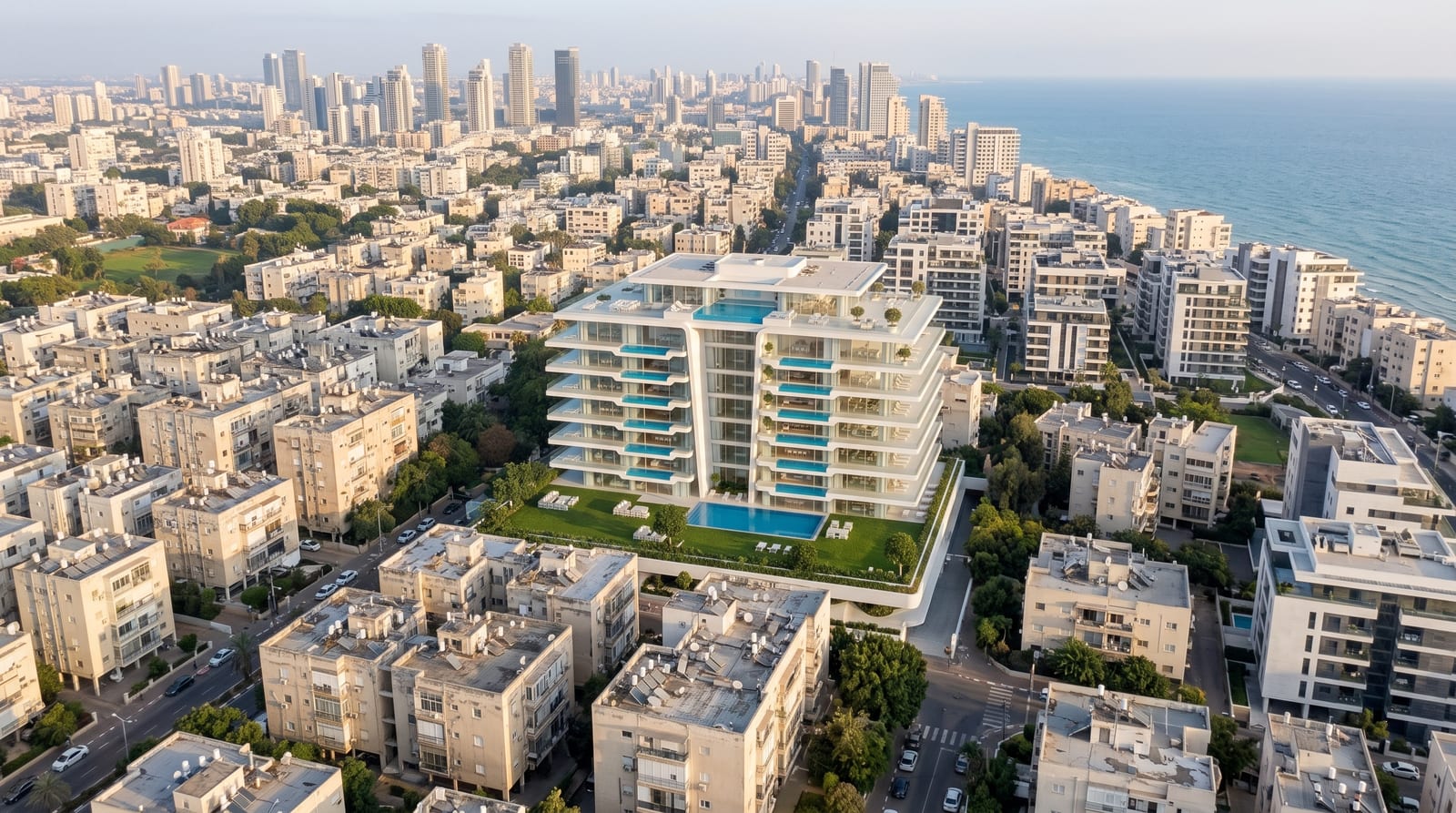
שכירות מוסדית
כשמי שמשכיר הוא קרן, חברת ביטוח או חברה שבנתה בניין שלם כדי להשכיר אותו, השכירות מפסיקה להיות חוזה ונהיית מודל עסקי: מאות דירות, חוזה אחיד אחד, מערך ניהול, ומסלול מס בפרק שביעי 1 לחוק לעידוד השקעות הון שנותן הטבות תמורת התחייבות להשכרה לשנים ארוכות. הכול נשען על שלושה מסמכים שצריכים לדבר זה עם זה: הסכם השכירות, הסכם הניהול, והאישור למסלול ההטבות. אנחנו כותבים אותם כמערכת אחת, לא כשלושה קבצים.
מה אנחנו עושים
- בונים חוזה שכירות אחיד למאות דירות מתוך פרק השכירות למגורים בחוק השכירות והשאילה: ערובה, תיקונים ותשלומים לפי מה שאי אפשר להתנות עליו, כדי שסעיף אחד לא יחזור מאתיים פעם.
- מתאימים את התחייבות ההשכרה למסלול ההטבות: כמה דירות, לכמה שנים ואיזה דיווח נדרש, כך שהמודל העסקי והמס אומרים את אותו דבר.
- מנסחים את הסכם הניהול מול הסכם השכירות: מי מתקן בתוך המועדים שהחוק קובע, מי גובה, מי מדווח.
- מלווים רכישה של בניין מאוכלס כמשכיר ממשיך. זכויות המשכיר הקודם וחובותיו עוברות עם הבניין (ס' 21(ב) לחוק השכירות והשאילה), ולכן מצבת החוזים היא חלק ממחיר הבניין.
- מסדירים את המימון והשעבוד של בניין להשכרה מול הבנק: הבטוחות של המממן לצד ההתחייבויות שמקנות את ההטבה.
- מלווים מכרזי קרקע להשכרה ארוכת טווח: תנאי המכרז, מגבלות דמי השכירות, ומה מותר לעשות בבניין אחרי תקופת ההתחייבות.
איפה עסקאות נתקעות
בניין שמושכר כמערכת: חוזה אחד שמחזיק מאות דירות, ניהול שיודע מי עושה מה, והטבות מס שההתחייבות מאחוריהן מתועדת.
חכירה ארוכת-טווח
חכירה היא שכירות שנמדדת בעשורים: מגרש לתחנת דלק או למרכז לוגיסטי, קרקע של מוסד או של משפחה שמוחכרת ליזם שיבנה עליה, בניין שלם שנמסר למפעיל לעשרים וחמש שנים. מעבר לחמש שנים החוק כבר קורא לזה חכירה, ומעבר לעשרים וחמש שנים חכירה לדורות: זכות שרושמים בטאבו, ושרשות המסים רואה כמכירה. ההבדל נקבע בניסוח: מה נרשם, מה נספר לתקופה, ומה קורה למבנה ביום שהחכירה מסתיימת. אנחנו כותבים אותו מהיום הראשון.
מה אנחנו עושים
- קובעים את סוג הזכות לפי התקופה האמיתית, כולל אופציות: ס' 3 לחוק המקרקעין מגדיר חכירה מעל חמש שנים וחכירה לדורות מעל עשרים וחמש, וס' 79 פוטר מרישום רק שכירות שאינה עולה על חמש.
- רושמים את החכירה בטאבו, והערת אזהרה עד הרישום, כך שהזכות קיימת גם מול קונה או בנק ולא רק מול הבעלים.
- מתכננים את המס לפני החתימה: חכירה שתקופתה המרבית, כולל ברירות הארכה, עולה על עשרים וחמש שנים היא זכות במקרקעין לפי ס' 1 לחוק מיסוי מקרקעין, עם מס רכישה ומס שבח.
- כותבים מה קורה למבנה ולהשקעה בתום התקופה: החזרה, פיצוי או הארכה, בתנאים שנקבעים היום ולא אז.
- מסדירים את המימון: שעבוד על זכות החכירה הרשומה, הסכמת המחכיר, ומה שהבנק צריך לראות לפני שהוא מלווה בנייה על קרקע שאינה שלכם.
איפה עסקאות נתקעות
חכירה שרשומה, ממוסה נכון ומסתיימת לפי סעיף שנכתב מראש: זכות שאפשר לבנות עליה, למכור אותה ולשעבד אותה.
בקרקע של רשות מקרקעי ישראל — היוון, דמי הסכמה וחידוש: עמוד הקרקע ורמ״ימה ששואלים אותנו על שכירות למגורים
כמה ערובה מותר למשכיר לדרוש בשכירות למגורים?
ס' 25י לחוק השכירות והשאילה מגביל ערובות שכרוכות בהוצאה כספית לשוכר — ערבות בנקאית או מזומן — לנמוך מבין שניים: דמי השכירות בעד שליש מתקופת השכירות, או סכום השווה לשלושה חודשי שכירות. הסעיף גם סוגר את רשימת המקרים שבהם מותר לממש, מחייב הודעה זמן סביר מראש והזדמנות לתקן, וקובע שהערובה מוחזרת בתוך 60 ימים ממועד השבת הדירה או ממועד פירעון החוב, לפי המאוחר.
תוך כמה זמן המשכיר חייב לתקן ליקוי?
ס' 25ח(ב) מפעיל שני שעונים. ליקוי או פגם שאינו קל ערך ואינו באחריות השוכר מתוקן על חשבון המשכיר בתוך זמן סביר ולא יאוחר מ-30 ימים מיום הדרישה. פגם שתיקונו דחוף — כלשון החוק, פגם שאינו מאפשר מגורים בדירה באופן סביר — מתוקן בתוך זמן סביר ולא יאוחר משלושה ימים. לא תוקן בזמן, עוברים לתרופות שבס' 9: תיקון בידי השוכר והחזר הוצאותיו הסבירות, או הפחתת דמי שכירות כל עוד הפגם לא תוקן.
אילו תשלומים אסור לגלגל על השוכר?
ס' 25ט(ב) אומר זאת במפורש. השוכר לא יישא במישרין ברכישה או בהשבחה של מערכות ומיתקנים קבועים המשרתים את הדירה (למעט התאמות ושיפורים שהוא ביקש), בדמי ביטוח מבנה, ובתשלומים שהמשכיר חב בהם כלפי צד שלישי — ובכלל זה דמי תיווך למתווך שפעל מטעם המשכיר. מה שכן חל עליו מנוי בס' 25ט(א): דמי שכירות, מסים החלים על המחזיק לרבות ארנונה, צריכה שוטפת של מים, חשמל, גז וחימום, ותשלומי אחזקה שוטפת לנציגות הבית.
אפשר לוותר על ההגנות האלה בחוזה?
ברובן לא. ס' 25יד קובע שאין להתנות כלל על ס' 25ו — החובה למסור דירה ראויה למגורים — ושעל שורה ארוכה של סעיפים נוספים אפשר להתנות רק לטובת השוכר. סעיף חוזי שמנוגד לכך לא יעמוד, גם אם שני הצדדים חתמו עליו בעיניים פקוחות. חריג אחד קבוע בס' 25טו(ב): בהשכרה בין משכיר לשוכר שהוא קרוב שלו, כהגדרתו שם, איסור ההתניה שבס' 25יד(2) אינו חל.
על אילו הסכמי שכירות הפרק הזה בכלל לא חל?
ס' 25טו מוציא כמה סוגים. שכירות לתקופה שאינה עולה על שלושה חודשים בלי ברירת הארכה; שכירות מעל עשר שנים שאין למשכיר ברירה לבטלה מוקדם יותר; דירה שדמי השכירות החודשיים בעדה עולים על 20,000 שקלים חדשים — סכום שמתעדכן ב-1 בינואר בכל שנה לפי מדד המחירים לצרכן ומתפרסם ברשומות; וכן דירה בבית מלון או המושכרת לנופש, במעון, בדיור מוגן, במעונות לסטודנטים או לעובדים, ודירה שחוק הגנת הדייר חל עליה. כשההסכם נופל מחוץ לפרק, מה שמגן עליכם חוזר להיות החוזה ומצב הרישום — וחכירה מעל חמש שנים אינה נהנית מהפטור מרישום שבס' 79 לחוק המקרקעין.
שיחה עם עורך דין מקרקעין, בשלב שבו אתם נמצאים.
דירה שאתם קונים או מוכרים, בניין שנכנס להתחדשות, או חוזה שמחכה להחלטה. משאירים שם וטלפון, ואנחנו חוזרים אליכם לשיחה עם עורך דין בכיר מהצוות: שומעים אתכם, ואומרים מה השלב הבא — גם כשהוא לא אצלנו.