נכסים מניבים ושכירות מסחרית — הסכמי שכירות, שימוש וניהול
התזרים גר במסמכים.
נכס מניב נראה כמו קירות, אבל הוא בעצם חבילה של הסכמים. מי מתקן תקלה, מי משלם ארנונה, מה קורה כששוכר עוזב באמצע, ומה קורה כשאתם קונים בניין שכבר מאוכלס והחוזים של הבעלים הקודם נוסעים איתו. הסיכון כאן לא מתפוצץ ביום החתימה אלא שלוש שנים אחריה. אנחנו קוראים את השכבה הזאת לפני שהיא עולה כסף.
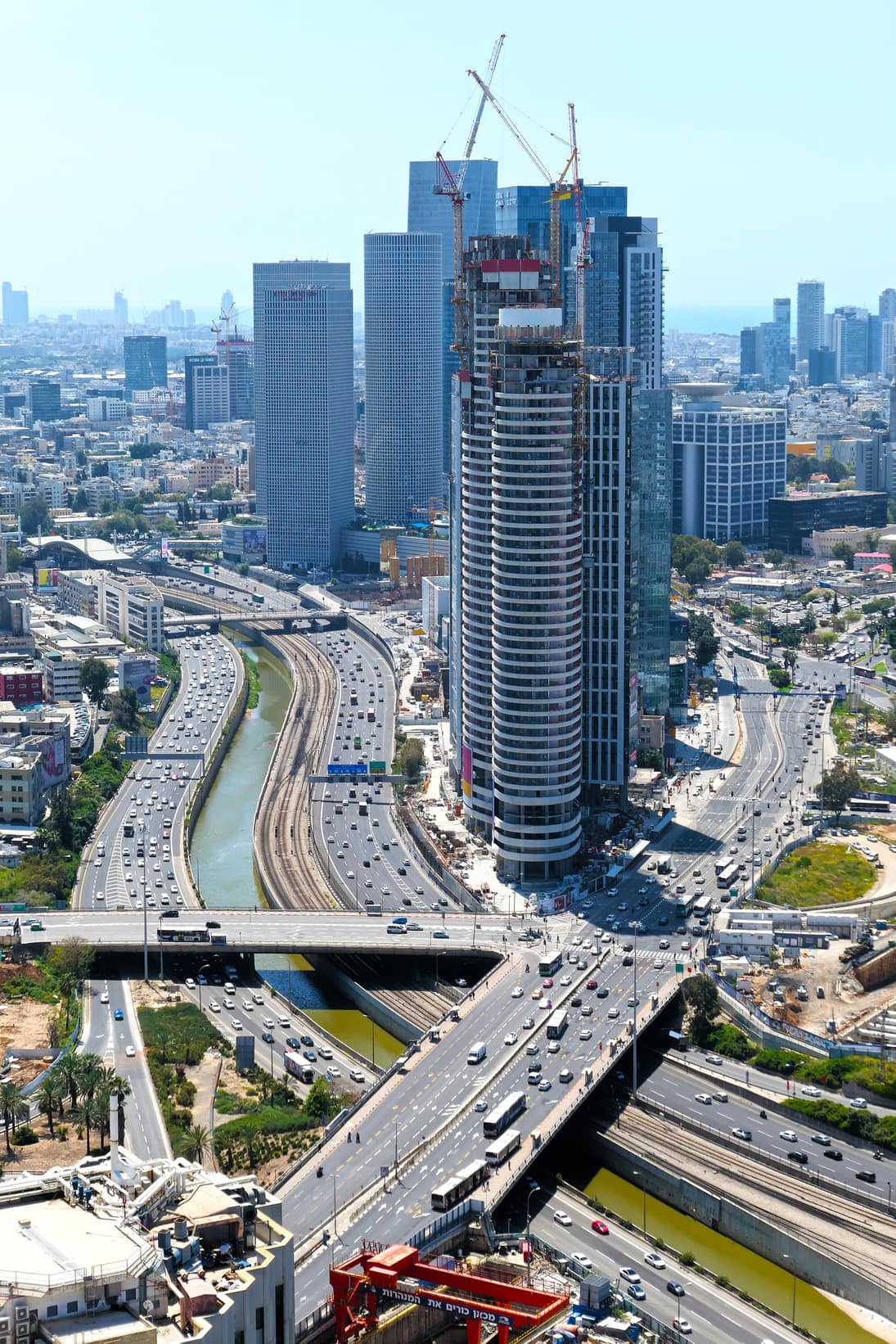
שני צדדים של אותו חוזה — מי שמשכיר ומי ששוכר.
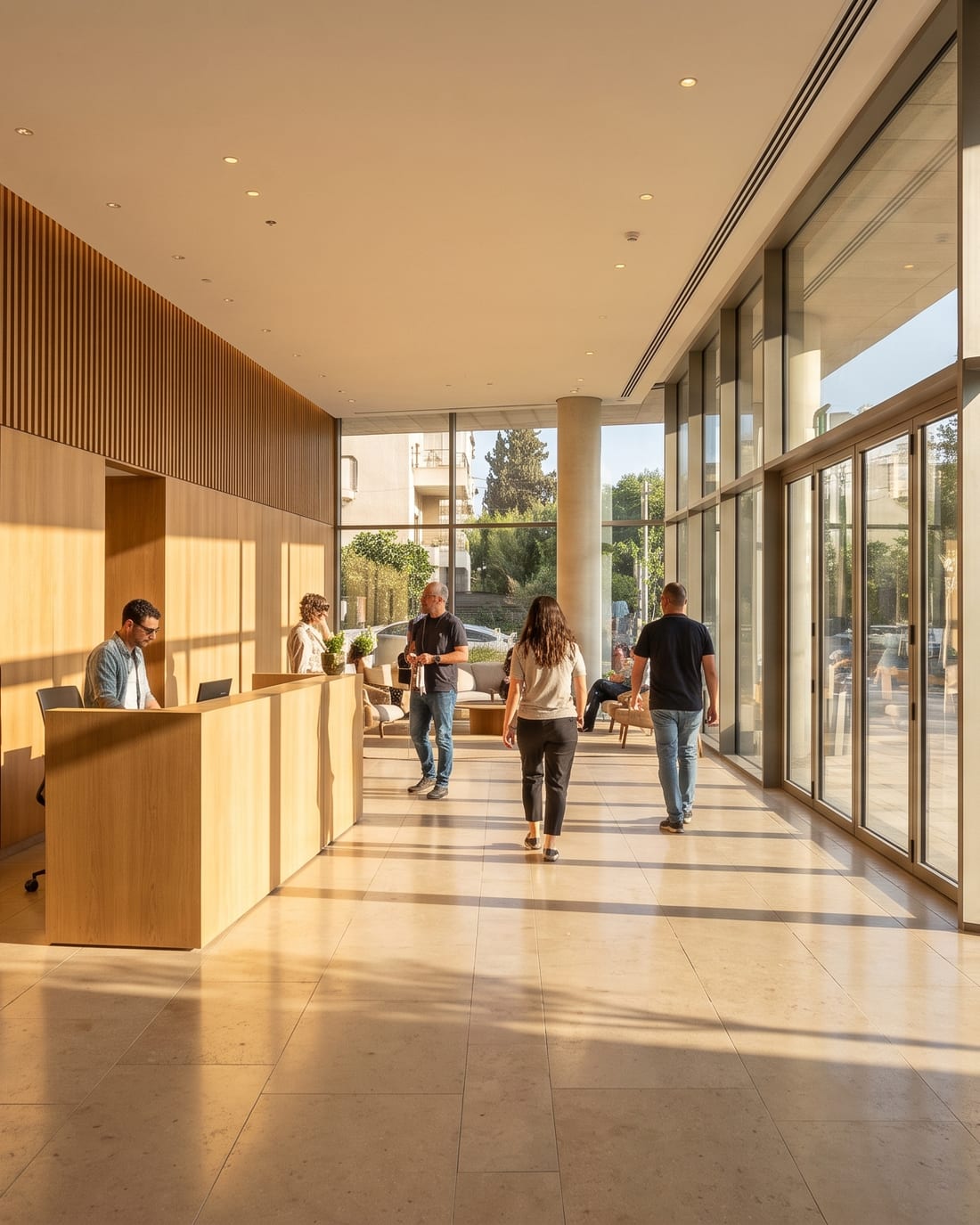
נכסים מניבים
נכס מניב נמדד בתזרים, והתזרים נשען כולו על מסמכים. הסכם השכירות קובע מי משלם מה, מי אחראי לתקלה, ומה קורה כששוכר עוזב באמצע. בעסקאות מהסוג הזה הסיכון לא מתפוצץ ביום החתימה אלא שלוש שנים אחריה, כשמתברר שסעיף אחד לא כיסה מצב שקרה בפועל. אנחנו מטפלים בשכבה הזאת כמו בתשתית של הנכס.
מה אנחנו עושים
- בודקים את מצבת ההתקשרויות הקיימת לפני רכישה, כולל שכירויות שאינן טעונות רישום לפי ס' 79.
- מנסחים הסכמי שכירות, שימוש וניהול שמגדירים חלוקת אחריות ותפעול ברורה.
- מסדירים בטוחות השוכר ומנגנוני מימוש שעובדים גם כשהשוכר מפסיק לשלם.
- קובעים את חלוקת נטל הארנונה והתשלומים העירוניים בהתאם לזהות המחזיק בנכס.
- מטפלים במנגנוני הצמדה, אופציות הארכה ומועדי הודעה, כך שאופציה לא מאריכה בטעות מעבר למסגרת ס' 79.
- מלווים חילופי שוכרים, המחאת זכויות ומכירת הנכס כשהוא מאוכלס.
איפה עסקאות נתקעות
נכס שהתזרים שלו נשען על מסמכים שנבדקו, ובטוחות שאפשר לממש בפועל ולא רק להצביע עליהן.
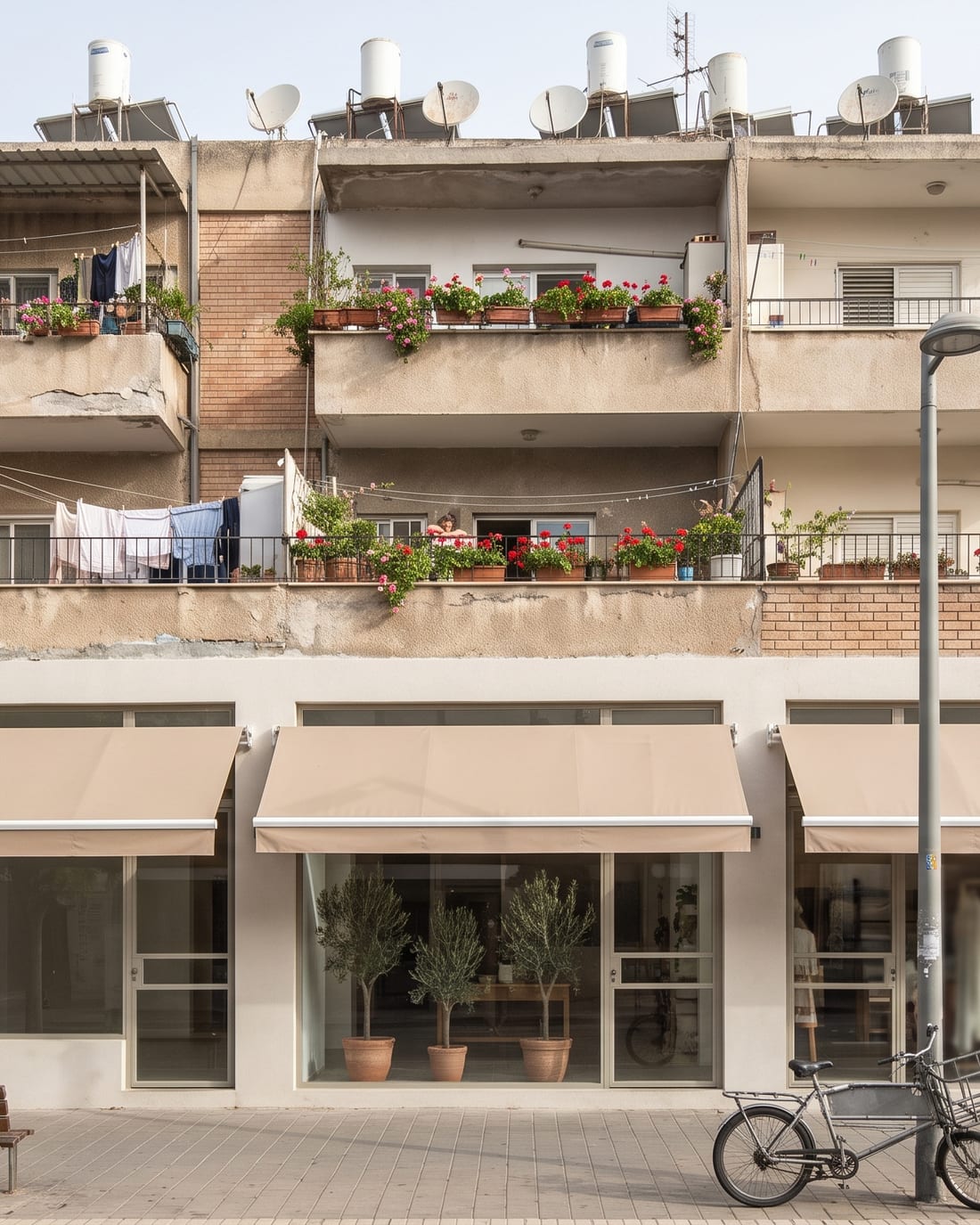
שכירות לתעסוקה
שכירות משרדים לחברה היא עסקה ארוכת טווח שמתחפשת לחוזה שכירות. החברה משקיעה בעבודות התאמה, מקבעת מטה, ולפעמים מתחייבת לתקופה שארוכה ממחזור התכנון העסקי שלה. הצד השני משכיר נכס ורוצה שהוא יחזור אליו במצב מוגדר. רוב המחלוקות בתחום נולדות בדיוק בשני המקומות האלה: מה מותר לבנות בפנים, ומה קורה איתו בסוף.
מה אנחנו עושים
- מנסחים שכירות ארוכת טווח עם מנגנוני יציאה, הארכה והמחאה שמתאימים לתוכנית של החברה.
- מסדירים עבודות התאמה: מי מבצע, מי מממן, למי הבעלות בסיום, ומה מוחזר למצב קודם.
- מגדירים את חלוקת הארנונה והתשלומים המוניציפליים לפי זהות המחזיק בנכס.
- בודקים את התאמת השימוש להיתר ולייעוד לפני הכניסה, כולל שימושים נלווים.
- מטפלים באופציות ובמועדי הודעה כך שהמבנה נשאר בתוך מסגרת ס' 79 לחוק המקרקעין.
- מלווים תת-השכרה, חלוקת קומות והתרחבות לשטח נוסף באותו מבנה.
איפה עסקאות נתקעות
חוזה שכירות שמתאים לאופק העסקי של החברה, עם התאמות, אופציות וסיום שמוגדרים מראש.
מה ששואלים אותנו על נכס מניב
צריך לרשום הסכם שכירות מסחרי בטאבו?
תלוי באורך. חוק המקרקעין פוטר מרישום שכירות קצרה — לתקופה שאינה עולה על חמש שנים (ס' 79). מעל חמש שנים מדובר כבר בחכירה, ומעל עשרים וחמש שנים בחכירה לדורות (ס' 3). מעל הסף הזה, שכירות שלא נרשמה קיימת מול המשכיר אבל אינה מופיעה במקום שבו קונה או בנק בודקים.
אופציית הארכה יכולה להפוך את השכירות לחכירה שטעונה רישום?
כן, וזה קורה בלי שאיש מתכוון. ס' 79 לחוק המקרקעין מחריג מן הפטור שכירות שיש בה ברירה להאריך את תקופתה לתקופה כוללת העולה על חמש שנים, וכן שכירות שתחילתה לאחר תום חמש שנים מיום ההסכם. שלוש שנים ועוד שתי אופציות של שנתיים אינן “שכירות קצרה” — הן מסמך שצריך לטפל בו אחרת, ובנקודה הזאת נופלות הרבה עסקאות מסחריות.
קניתי בניין עם שוכרים. ההסכמים שלהם מחייבים גם אותי?
כן, הסכמי השכירות הקיימים מחייבים גם אתכם, כבעלים החדשים של הבניין. ס' 21(ב) לחוק השכירות והשאילה קובע שמי שרוכש את זכות המשכיר בא במקומו לעניין הזכויות והחיובים שבחוזה השכירות, גם אם לא ידע על קיום החוזה. הסעיף גם משאיר לשוכר טענות שהיו לו כלפי המשכיר הקודם. לכן בדיקת מצבת ההתקשרויות היא חלק מבדיקת הנכס, ולא נספח לה.
השוכר משקיע בעבודות התאמה. של מי הן בסוף התקופה?
זה נקבע בהסכם, ומתחת לו יושבת ברירת המחדל של החוק. ס' 16א לחוק השכירות והשאילה קובע שהשוכר אינו רשאי לבצע שינויים במושכר אלא בהסכמת המשכיר. ס' 20א קובע שכששינויים נעשו בהסכמה, השוכר בוחר בין להשיב את המושכר כפי שהוא לאחר השינויים — ואז אין הוא זכאי לתמורה בעדם — לבין להחזירו לקדמותו. בשכירות משרדים זו שורה משמעותית בתקציב, ולכן היא נסגרת בכתב מראש.
השוכר רוצה להעביר את השכירות לחברה אחרת. מותר לסרב?
לא בכל תנאי. ס' 22 לחוק השכירות והשאילה מתנה העברה ושכירות משנה בהסכמת המשכיר, אבל קובע שאם המשכיר סירב מטעמים בלתי סבירים או התנה את הסכמתו בתנאים בלתי סבירים — בשכירות מקרקעין רשאי השוכר לעשות את העסקה בלי הסכמתו, ובית המשפט רשאי להרשות אותה בתנאים שייראו לו. הסעיף גם דורש שהסכמה בשכירות מקרקעין תינתן מראש ובכתב.
שיחה עם עורך דין מקרקעין, בשלב שבו אתם נמצאים.
דירה שאתם קונים או מוכרים, בניין שנכנס להתחדשות, או חוזה שמחכה להחלטה. משאירים שם וטלפון, ואנחנו חוזרים אליכם לשיחה עם עורך דין בכיר מהצוות: שומעים אתכם, ואומרים מה השלב הבא — גם כשהוא לא אצלנו.