מכר ורכישת דירה יד שנייה — ליווי קונים ומוכרים
החוזה הוא הבטוחה שלכם.
בעסקה בין אנשים פרטיים אין ערבות בנקאית לפי חוק המכר, אין חשבון ליווי ואין פנקס שוברים. מה שמגן על הכסף שלכם הוא מה שנבדק לפני החתימה — ומה שנכתב בחוזה. את שניהם אנחנו עושים ביסודיות, בין שאתם קונים ובין שאתם מוכרים. וכשמוכרים וקונים במקביל, את שני החוזים בונים יחד, כך שהכסף מהמכירה מגיע בזמן לתשלומי הקנייה.
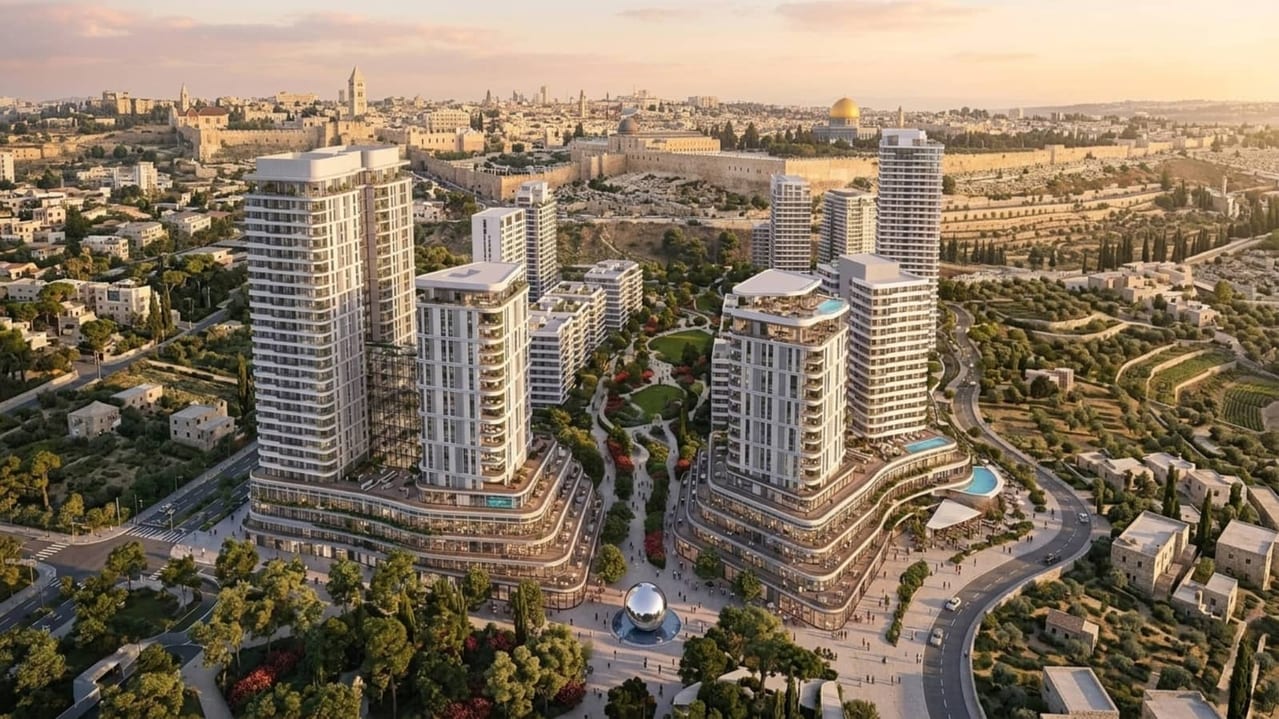
מה משתנה כשקונים מאדם פרטי?
אין רשת ביטחון סטטוטורית
ברכישה מקבלן חוק המכר מחייב בטוחה על כל תשלום. בין אנשים פרטיים אין מנגנון כזה — ההגנה נבנית בחוזה, או שהיא לא קיימת.
הכסף עובר ישירות
אין חשבון ליווי מפוקח. התשלומים עוברים מהחשבון שלכם לחשבון המוכר — ולכן סדר התשלומים, הנאמנות והבטוחות הם לב העסקה.
הדירה נמכרת עם העבר שלה
חריגות בנייה, שעבודים, שוכרים, ליקויים. מה שלא התגלה לפני החתימה — הופך לבעיה שלכם אחריה.
שני צדדים, שתי משכנתאות
משכנתא של המוכר שצריך לסלק, משכנתא שלכם שצריך להעמיד — ולוח תשלומים שמתאם בין הבנקים, הנאמנות והרישום.
שמונה בדיקות. לפני החוזה.
אלו לא סעיפים למשא ומתן — זה מה שאנחנו בודקים בכל עסקת יד שנייה, לפני שנכתבת מילה אחת בהסכם.

נסח טאבו עדכני
מי הבעלים הרשום, ומה רובץ על הדירה: משכנתאות, עיקולים, הערות אזהרה, צווים. הנסח נמשך סמוך לחתימה — לא מסתמכים על נסח ישן.
איפה הזכויות רשומות
טאבו, חברה משכנת או רשות מקרקעי ישראל — לכל מרשם מסלול העברה משלו, מסמכים אחרים ולוחות זמנים אחרים.
זהות המוכרים
שכל בעלי הזכויות חתומים על העסקה: בני זוג, יורשים, מיופי כוח. עסקה שחסרה בה חתימה אחת — לא שווה את הנייר.
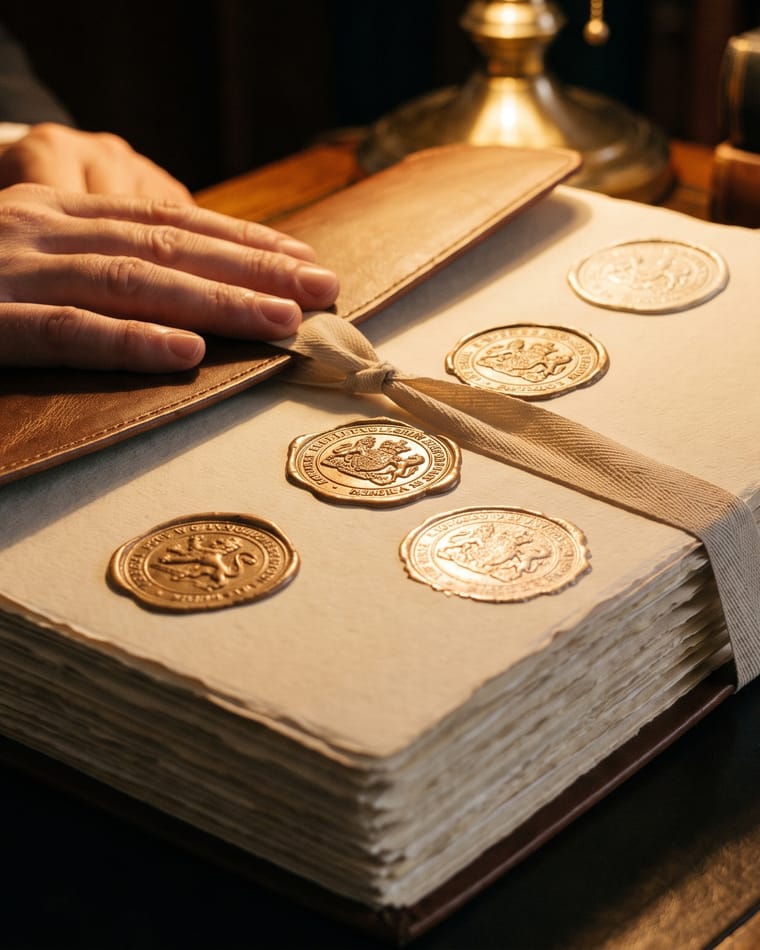
המשכנתא של המוכר
כמה נותר לסילוק, ומה הבנק דורש כדי לשחרר את השעבוד — מכתב כוונות עדכני, לפני שעובר שקל.
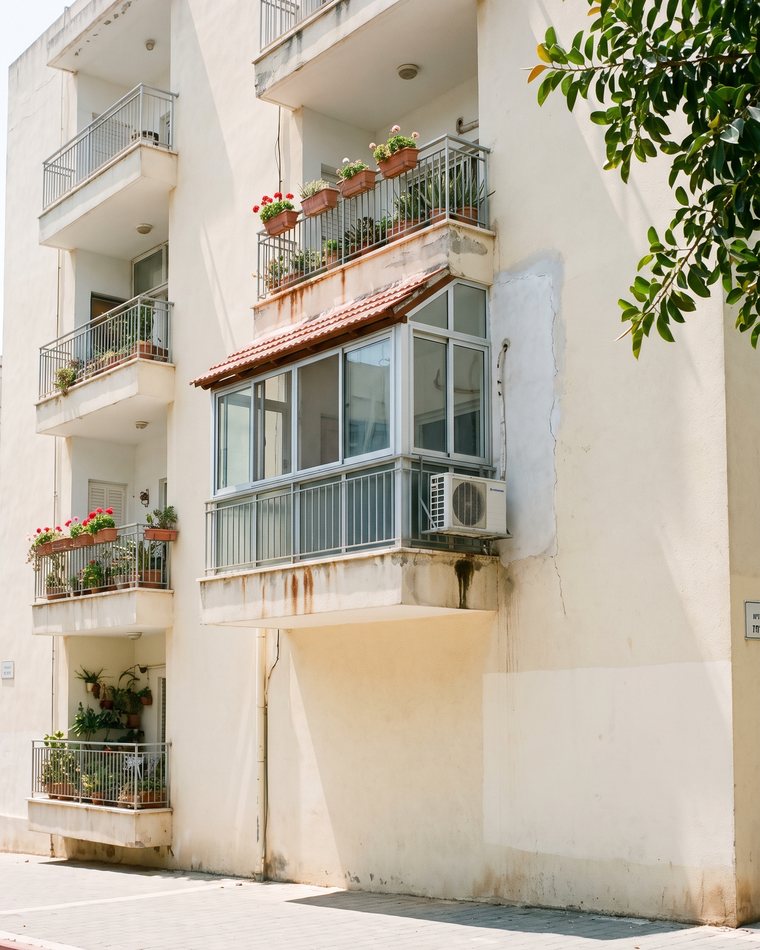
היתרים וחריגות בנייה
תיק ההיתר ברשות המקומית מול מה שקיים בפועל: תוספות, סגירות, פיצולים. חריגה של המוכר היום היא הקנס שלכם מחר.
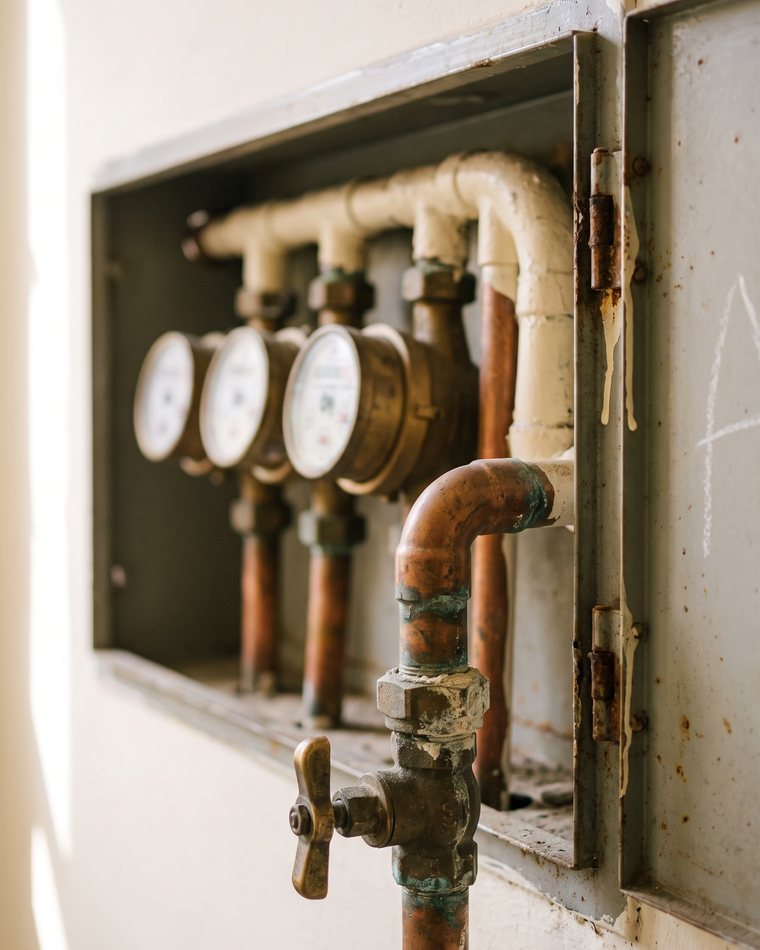
הבית המשותף
צו הבית המשותף והתקנון: מה באמת צמוד לדירה — חניה, מחסן, גג — ומה רק נאמר בעל־פה.
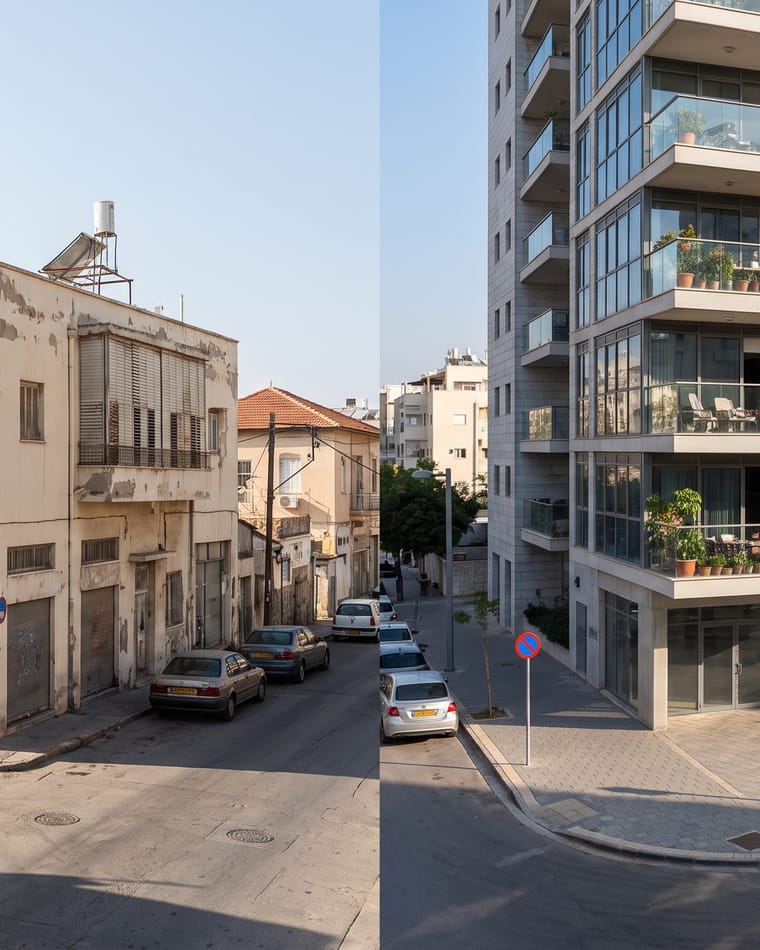
תכנון וסביבה
מה מאושר במגרשים הסמוכים ומה מקודם בוועדות — כדי שהנוף מהמרפסת לא יהפוך לקיר.
תמונת המס — לשני הצדדים
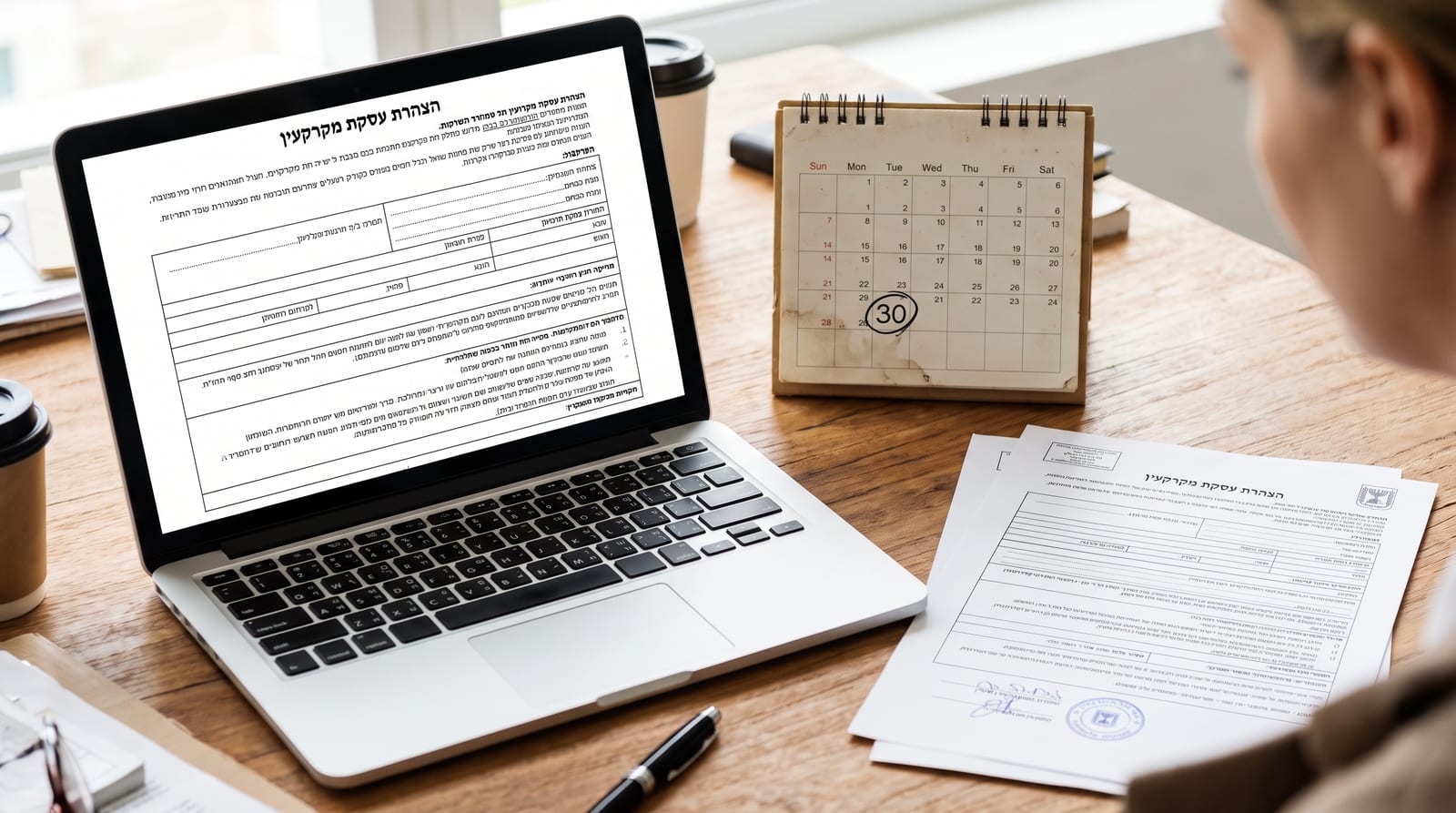
מס רכישה שלכם, ומולו מס שבח והיטלים בצד המוכר. חבות מס שלא תוכננה מראש יכולה לתקוע עסקה שלמה — או לשנות את המחיר האמיתי שלה.
הסכם המכר ושרשרת הביטחונות
ביד שנייה אין חוזה מדף. כל הסכם נבנה סביב העסקה הספציפית: מי המוכר, מה רשום, מה עדיין לא, ומאיפה מגיע הכסף. את המרחק בין ״שילמתי״ ל״הדירה רשומה על שמי״ סוגרת שרשרת ביטחונות שנבנית בחוזה, צעד אחר צעד — מהשקל הראשון ועד הרישום.
- הערת אזהרה מיד לאחר החתימה — שאף עסקה סותרת לא תירשם
- תשלומים במדורג, כנגד אבני דרך — לא לפי אמון
- נאמנות ליתרה — עד שכל אישורי המסים והעירייה בידיים
- מכתב כוונות וסילוק המשכנתא של המוכר
- מצב הנכס, מסירת החזקה ומה נשאר בדירה
- רישום מלא של הזכויות על שמכם — הסוף האמיתי של העסקה
ואם אתם בצד המוכר — אותה שרשרת בדיוק, מהכיוון השני: החזקה והזכויות עוברות רק כשמלוא התמורה בידיים או בנאמנות.

מכירה חכמה מתחילה במס — לא במחיר.
שומת מס שבח לפני הכול
כמה מס תשלמו על המכירה — פטור דירה יחידה, חישוב לינארי, ניכויים והוצאות מוכרות. את זה יודעים לפני שקובעים מחיר, לא אחרי.
משפרי דיור
מוכרים וקונים במקביל? החוק קובע חלונות זמן בין שתי העסקאות — ותיאום נכון ביניהן שווה הרבה כסף.
הבטחת התמורה
החזקה עוברת רק כשמלוא הכסף בידיים או בנאמנות — עם בטוחות מסודרות לכל שלב בדרך.
אישורים בזמן
דיווח לרשות המסים במועד, אישורי מס שבח ועירייה — עיכוב באישור אחד מעכב את הרישום כולו, ואת היתרה שממתינה בנאמנות.
הדירה כפי שהוצגה
מסמכי הבית המשותף, ההיתרים ומצב הדירה — מסודרים מראש, כדי שאף בדיקה של הקונה לא תעצור את העסקה באמצע.
מכירה בלי זנבות
פרוטוקול מסירה, מחיקת הערות ושעבודים ישנים, גמר חשבון — כדי שאחרי הרישום אף אחד לא יחזור אליכם.
מהבדיקה הראשונה — עד המפתח והרישום
- 01
בדיקת נאותות
נסח, מרשם, היתרים, בית משותף, מסים — התמונה המלאה לפני מילה בחוזה.
- 02
הסכם ובטחונות
הסכם מכר שנבנה לעסקה שלכם, עם שרשרת ביטחונות מלאה לכסף ולזכויות.
- 03
חתימה והערת אזהרה
חתימה מסודרת, רישום הערת אזהרה מיד אחריה, ודיווח לרשות המסים במועד.
- 04
תשלומים ואישורים
ליווי כל תשלום מול הבטוחות, סילוק המשכנתא של המוכר, אישורי מסים ועירייה.
- 05
חזקה ורישום
מסירת מפתח בפרוטוקול — ורישום הזכויות על שמכם. רק אז העסקה באמת גמורה.
מה ששואלים אותנו לפני עסקת יד שנייה
מוכרים וקונים דירה במקביל. איך עושים את זה נכון?
בונים את שני החוזים יחד. את מועדי התשלום בקנייה מתאימים לימים שבהם מגיע הכסף מהמכירה, ואת מסירת הדירה הישנה קובעים כך שיהיה לכם לאן לעבור. גם בצד המס החוק קובע חלונות זמן בין שתי העסקאות, ולכן את עיתוי המכירה בודקים עוד לפני שחותמים על הקנייה.
מצאנו דירה. לחתום על זכרון דברים?
עדיף שלא. זכרון דברים הוא הסכם מחייב לכל דבר — הוא יוצר חבות מס, מקבע תנאים שעוד לא נבדקו, ולפעמים נותן לצד השני בדיוק את הלחץ שהוא צריך. אם הדירה חשובה לכם, מתקדמים מהר לחוזה מסודר — לא חותמים על מסמך ביניים.
מי מנסח את החוזה — עורך הדין של המוכר או שלנו?
נהוג שבא-כוח המוכר מכין טיוטה ראשונה, אבל זה לא כלל. מה שחשוב באמת: שבעסקה הגדולה של חייכם יהיה מי שמייצג רק אתכם — קורא כל סעיף מהצד שלכם, ובונה את הבטוחות סביב הכסף שלכם.
מה זה מכתב כוונות, ולמה אי אפשר בלעדיו?
כשעל הדירה רובצת משכנתא של המוכר, הבנק שלו מנפיק מכתב שבו הוא מתחייב: ישולם סכום מסוים עד תאריך מסוים — השעבוד יוסר. בלי המכתב הזה אתם משלמים על דירה משועבדת ומקווים לטוב. איתו — התשלום הראשון מסלק את המשכנתא ישירות לבנק.
כמה זמן לוקחת עסקת יד שנייה?
מהחתימה ועד מסירת החזקה — בדרך כלל חודשים ספורים, לפי לוח התשלומים שסוכם. הרישום הסופי ממתין לאישורי המסים והעירייה, ולכן חלק מהתמורה נשאר בנאמנות עד שהכול מוסדר. עסקה שמנוהלת נכון לא נתקעת בדרך.
הערת אזהרה — מה היא בעצם נותנת לנו?
מרגע רישומה בפנקס המקרקעין אי אפשר לרשום עסקה סותרת על הדירה, והיא גוברת גם על עיקולים שנרשמו אחריה. זו ההגנה החשובה ביותר של קונה בתקופה שבין החתימה לרישום — ולכן אצלנו היא נרשמת מיד לאחר החתימה, לא ״בהמשך״.
שיחה עם עורך דין מקרקעין, בשלב שבו אתם נמצאים.
דירה שאתם קונים או מוכרים, בניין שנכנס להתחדשות, או חוזה שמחכה להחלטה. משאירים שם וטלפון, ואנחנו חוזרים אליכם לשיחה עם עורך דין בכיר מהצוות: שומעים אתכם, ואומרים מה השלב הבא — גם כשהוא לא אצלנו.