ליווי קבוצות רוכשים ומשקיעים בעסקאות יד ראשונה
לבד — רוכש. ביחד — מוסד.
רוכש בודד שנכנס למשרד המכירות מקבל מחירון. קבוצת רוכשים שנכנסת נכון מקבלת עסקה: מחיר סיטונאי, תנאי תשלום, מפרט ובטוחות — לכל חבר בקבוצה. אנחנו בונים את הקבוצה כגוף אחד מסודר, ומנהלים את העסקה מול היזם עד המפתח.
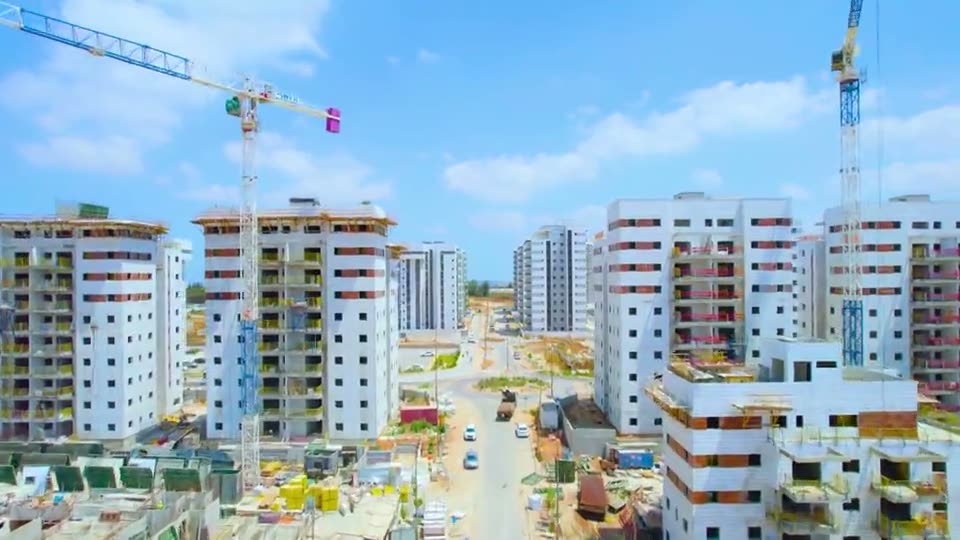
קבוצת רוכשים, קבוצת רכישה — ולמה הבלבול ביניהן עולה כסף
קבוצת רוכשים היא התארגנות של רוכשים שקונים יחד דירות מוגמרות מיזם — כל אחד בחוזה משלו, עם כל ההגנות של חוק המכר. קבוצת רכישה היא דבר אחר לגמרי: קבוצה שקונה קרקע ובונה בעצמה, בלי יזם שאחראי מולה לתוצאה. בשוק מערבבים בין השתיים כל הזמן, לפעמים בכוונה. וההבדל הוא לא סמנטיקה — הוא קובע מי אחראי לדירה שלכם, איזה מס תשלמו, ומה יגן על הכסף אם משהו ישתבש.
| רוכש בודד מיזם | קבוצת רוכשים מיזם | קבוצת רכישה (קרקע) | |
|---|---|---|---|
| מה בעצם קונים | דירה מוגמרת, במחיר המחירון | דירות מוגמרות, בעסקה קבוצתית אחת | זכות בקרקע + התחייבות לממן בנייה |
| מי אחראי לתוצאה | היזם | היזם | חברי הקבוצה עצמם — אין יזם |
| בטוחות חוק המכר על הכסף | כן | כן — מעוגנות לכל חבר | אין. הכסף חשוף לסיכון הביצוע |
| מס רכישה | על מחיר הדירה בחוזה | על מחיר הדירה בחוזה | כאילו נקנתה דירה גמורה — קרקע ושירותי בנייה יחד (תיקון 69) |
| כוח מיקוח מול המוכר | הנחת ריצוף, אולי מטבח | מחיר, לוח תשלומים, מפרט ובטוחות | אין מוכר אחד — יש ניהול פרויקט |
| מועד מסירה ופיצוי איחור | קבועים בחוק המכר | קבועים בחוק — ומחוזקים בנספח הקבוצתי | אין מועד מחייב ואין פיצוי סטטוטורי |
העמוד הזה עוסק בדרך האמצעית — קבוצת רוכשים מול יזם: הכוח של קבוצה, בלי לוותר על יזם אחראי ועל הגנות החוק. נמצאים כבר בתוך קבוצת רכישה קלאסית וצריכים עיניים משפטיות? גם לזה יש מענה — דברו איתנו.
למה רוכש בודד מקבל בדיוק את מה שכתוב במחירון
המחירון לא מתווכח
מול רוכש אחד, למשרד המכירות אין סיבה לזוז. ההנחה נגמרת במטבח משודרג — והתנאים המסחריים נשארים בדיוק כמו שהם.
החוזה נכתב לפני שהגעתם
לוח התשלומים, ההצמדה והבטוחות נוסחו בידי באי-כוח היזם, באותו נוסח לכל רוכש. מולם, קול אחד שווה הרבה פחות מעשרים.
כולם שם עובדים אצל היזם
המשווק, המתווך, עורך הדין של הפרויקט — כולם בצד של המוכר. אף אחד מהם לא חב לכם חובת נאמנות.
ההזדמנויות הטובות לא מגיעות ללוח
העסקאות המשתלמות באמת נסגרות מוקדם, בשלבים שבהם היזם מחפש ודאות — הרבה לפני קמפיין המכירות.
הכסף שלכם. הכוח של מוסדי.
זה כל הרעיון: עשרות דירות שנרכשות כעסקה אחת שוות ליזם ודאות — ולכם תנאים שרוכש בודד לא רואה. אלו התנאים שאנחנו באים להשיג בכל עסקה קבוצתית:
מחיר סיטונאי
כניסה מתחת למחירון — מחיר של עסקה אחת גדולה, לא של דירה בודדת.
תנאי תשלום יעילי-הון
מבנים דוגמת 20/80 — מקדמה בחתימה והיתרה במסירה. הכסף שלכם ממשיך לעבוד אצלכם.
מפרט משודרג — בחוזה
רמות גימור ושדרוגים כתנאי קבוצתי מחייב בהסכם המכר, לא כהבטחה באולם המכירות.
בטוחות לכל חבר
ערבות חוק המכר על כל תשלום, שוברים בלבד ומכתב החרגה — לכל דירה בקבוצה, בלי יוצאים מן הכלל.
גישה להזדמנויות off-market
מלאי שעוד לא הגיע לשוק הפתוח — פרויקטים בשלבים מוקדמים, שבהם התנאים באמת נקבעים.
נספח קבוצתי — וליווי לכל רוכש
התנאים מושגים פעם אחת ומעוגנים בכל חוזה, וכל חבר קבוצה מקבל ליווי משפטי מלא בעסקה שלו.
החוק קובע למי אנחנו נאמנים: לכם בלבד.
סביב כל פרויקט חדש מסתובבים מארגנים, משווקים ומתווכים — וכולם מתוגמלים מצד המוכר. אנחנו בנויים הפוך: הלקוח היחיד שלנו הוא הקבוצה, וחובת הנאמנות שלנו — חובה שבדין — היא לרוכשים בלבד. זה משנה כל החלטה בעסקה: אילו פרויקטים נבדוק, על מה נעמוד ומתי נגיד לכם לוותר. ומה שאנחנו מתחייבים לו: שכל שקל שלכם ייכנס לעסקה מוגן בבטוחה שבדין, ושהחוזה שלכם יחזיק גם ביום סגריר.
- חובת נאמנות על פי דין — לרוכשים בלבד
- מחויבות לקבוצה בלבד
- צד אחד בעסקה — לעולם לא הקבוצה והיזם יחד
- ייצוג אישי לכל חבר — כל אחד והחוזה שלו
- אותה תמונה לכל חבר — מה שנאמר לאחד נאמר לכולם
- הקווים האדומים של רכישה מקבלן — לכל דירה
וכשצריך, אומרים לקבוצה גם לא. חובת הנאמנות היא לרוכשים — גם כשהתשובה אינה מה שנוח לשמוע.
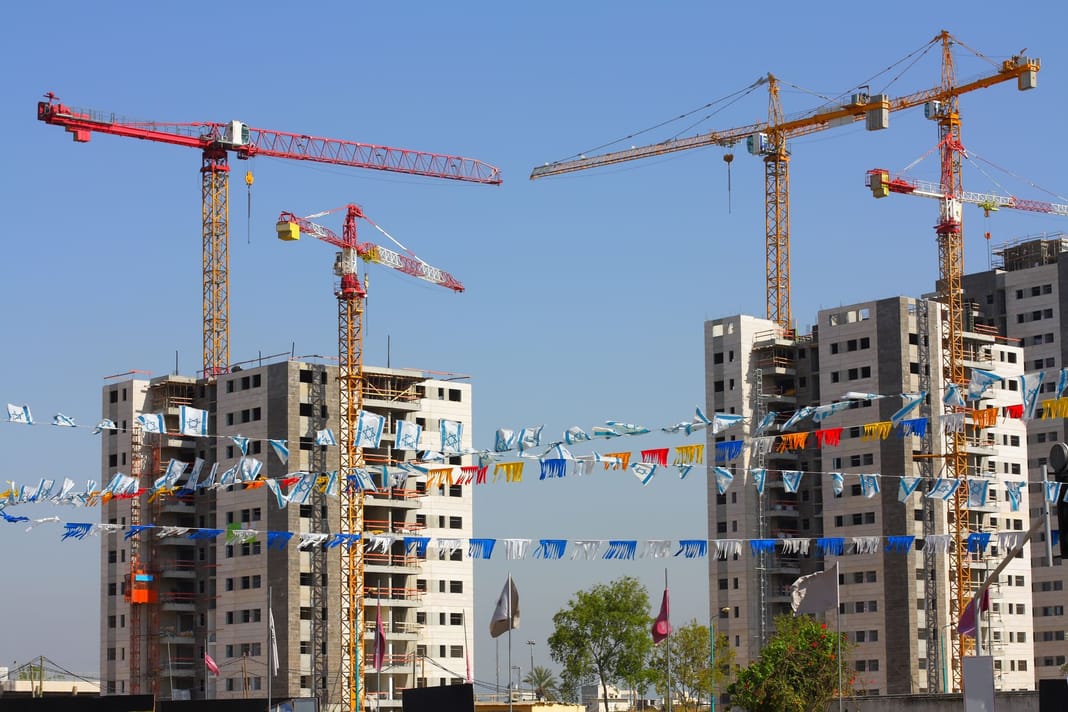
שוק של קונים. פשוטו כמשמעו.
מספרים, לא סיסמאות: היצע הדירות החדשות בשיא, הריבית התחילה לרדת, והמחירים — לראשונה מזה שנים — זזים לטובת הרוכש. אלו בדיוק התנאים שבהם ודאות מכירה שווה ליזם הרבה, וקבוצה מאורגנת יודעת לתרגם אותה לתנאים.
דירות חדשות ממתינות לקונה
למ״ס, מאי 2026
חודשי היצע במלאי הדירות החדשות
למ״ס, מאי 2026
ריבית בנק ישראל — הורדה ראשונה במחזור
בנק ישראל, 25.5.2026
שינוי שנתי במדד מחירי הדירות
למ״ס, 15.5.2026
הנתונים נכונים למועד העדכון של העמוד ומתעדכנים עם כל פרסום רשמי חדש.
מה החוק אומר — מילה במילה
אלו לא פרשנויות. אלו הסעיפים עצמם, מהמקור — אותם סעיפים שאנחנו אוכפים בכל עסקה קבוצתית. מי שמכיר אותם קונה אחרת.
תקרת 7% בלי בטוחה
לא יקבל מוכר מקונה, על חשבון מחיר הדירה, סכום העולה על שבעה אחוזים מהמחיר, אלא אם עשה אחת מאלה
סעיף 2 לחוק המכר (דירות) (הבטחת השקעות של רוכשי דירות), התשל״ה-1974
ובעברית: יזם לא נוגע ביותר מ-7% מהכסף שלכם בלי להעמיד אחת מחמש הבטוחות שבחוק — ובראשן ערבות בנקאית. אצלנו זה תנאי פתיחה לכל חבר בקבוצה, לא סעיף שמתמקחים עליו.
פנקס השוברים
סעיף 3ב לחוק המכר (דירות) (הבטחת השקעות של רוכשי דירות), התשל״ה-1974
בפרויקט בליווי בנקאי כל תשלום עובר בשובר, ישירות לחשבון הליווי של הפרויקט — והשובר עצמו מחייב את הבנק להוציא לכם ערבות. שילמתם בלי שובר? הכסף מחוץ להגנה. לכן הכלל הקבוצתי שלנו פשוט: בלי שובר — לא משלמים. אף חבר, אף שקל.
״קבוצת רכישה״ — ההגדרה שקובעת את המס
״קבוצת רכישה״ — קבוצת רוכשים המתארגנת לרכישת זכות במקרקעין ולבנייה על הקרקע... באמצעות גורם מארגן
סעיף 1 לחוק מיסוי מקרקעין (שבח ורכישה), התשכ״ג-1963, שהוסף בתיקון 69, התשע״א-2011
ובעברית: מי שקונה קרקע דרך קבוצה שמאורגנת בידי גורם מארגן בתמורה — רשות המסים רואה אותו כמי שקנה דירה גמורה, ומס הרכישה מחושב על שווי הדירה הבנויה, לא על הקרקע. בקבוצת רוכשים מול יזם זה פשוט לא קורה: קונים דירה, משלמים מס על מחיר הדירה שבחוזה.
מגבלות בנק ישראל על מבצעי מימון
הפיקוח על הבנקים, הוראת שעה מ-23.3.2025 — בתוקף עד סוף 2026
בנק ישראל ריסן את מבצעי המימון של הקבלנים: דרישת הון מוגברת לבנק כשרבע מדירות הפרויקט ומעלה נמכרות במבצע 20/80, ותקרה חודשית של 10% על הלוואות בלון בסבסוד קבלן. המשמעות לקבוצה: לוח תשלומים דחוי הוא עניין למשא ומתן מקצועי שמכיר את הרגולציה — לא כותרת ממודעת פרסומת. בדיוק בשביל זה יש עורך דין בצד שלכם.
כמה מס רכישה משלמים ברכישה קבוצתית?
התשובה הקצרה: בדיוק כמו ברכישה רגילה מיזם. חברות בקבוצת רוכשים לא משנה את המס בשקל — המס נגזר ממחיר הדירה בחוזה שלכם וממעמדכם. אלו המדרגות, נכון ל-2026:
דירה יחידה
0% עד 1,978,745 ₪, ומעל זה מדרגות עולות החל מ-3.5%. מדרגות 2026 הוקפאו בחקיקה — הן לא מתעדכנות במדד השנה.
דירה נוספת (משקיעים)
8% מהשקל הראשון עד 6,055,070 ₪, ו-10% מעל. זה הנתון שכל משקיע חייב להכניס לתחשיב — לפני שמתאהבים בדירה.
עולים ותושבי חוץ
לעולים מסלול מוקל משלהם, לתושבי חוץ מדרגות משקיע. לקבוצות עם חברים מחו״ל אנחנו בונים את התמונה המסית לכל חבר בנפרד.
המועדים שאסור לפספס
הצהרה למיסוי מקרקעין תוך 30 יום מהחתימה, ותשלום המס במועד שבשומה. באיחור — קנסות וריבית. אצלנו זה חלק מהליווי של כל חבר.
המקור: מדרגות מס הרכישה של רשות המסים לשנת 2026. רוצים לדעת כמה תשלמו על דירה ספציפית? יש לנו מחשבון מס רכישה מכויל למדרגות המעודכנות —
למחשבון מס הרכישהקודם בודקים את העסקה. אחר כך את הקבוצה. רק אז חותמים.

היזם והקבלן
מי עומד מאחורי הפרויקט, אילו פרויקטים מסר בפועל, האיתנות הפיננסית — ושהביצוע בידי קבלן רשום כדין.
הקרקע והזכויות
נסח רישום או אישור זכויות: של מי הקרקע באמת, ואילו שעבודים, עיקולים והערות רובצים עליה.
התכנון וההיתר
מה מאושר, מה עוד תלוי ועומד, ומה עלול להשתנות בסביבת הפרויקט עד המסירה.
הבנק המלווה והבטוחות
ליווי פיננסי סגור, חשבון פרויקט, שוברי תשלום ומנגנון שחרור הערבויות — לכל חבר בקבוצה.
מבנה הקבוצה עצמה
איך מתקבלות ההחלטות, מה קורה כשחבר פורש, ומי מחויב למה. התשובות צריכות להיות ברורות לכל חבר לפני שהקבוצה מתחייבת החוצה.
החוזה של כל רוכש
הסכם המכר והנספח של כל חבר: הצמדה, מועד מסירה, בדק ובטוחות — לפי הסטנדרט שלנו לרכישה מקבלן.
מהתארגנות ראשונה — עד מפתח לכל חבר בקבוצה
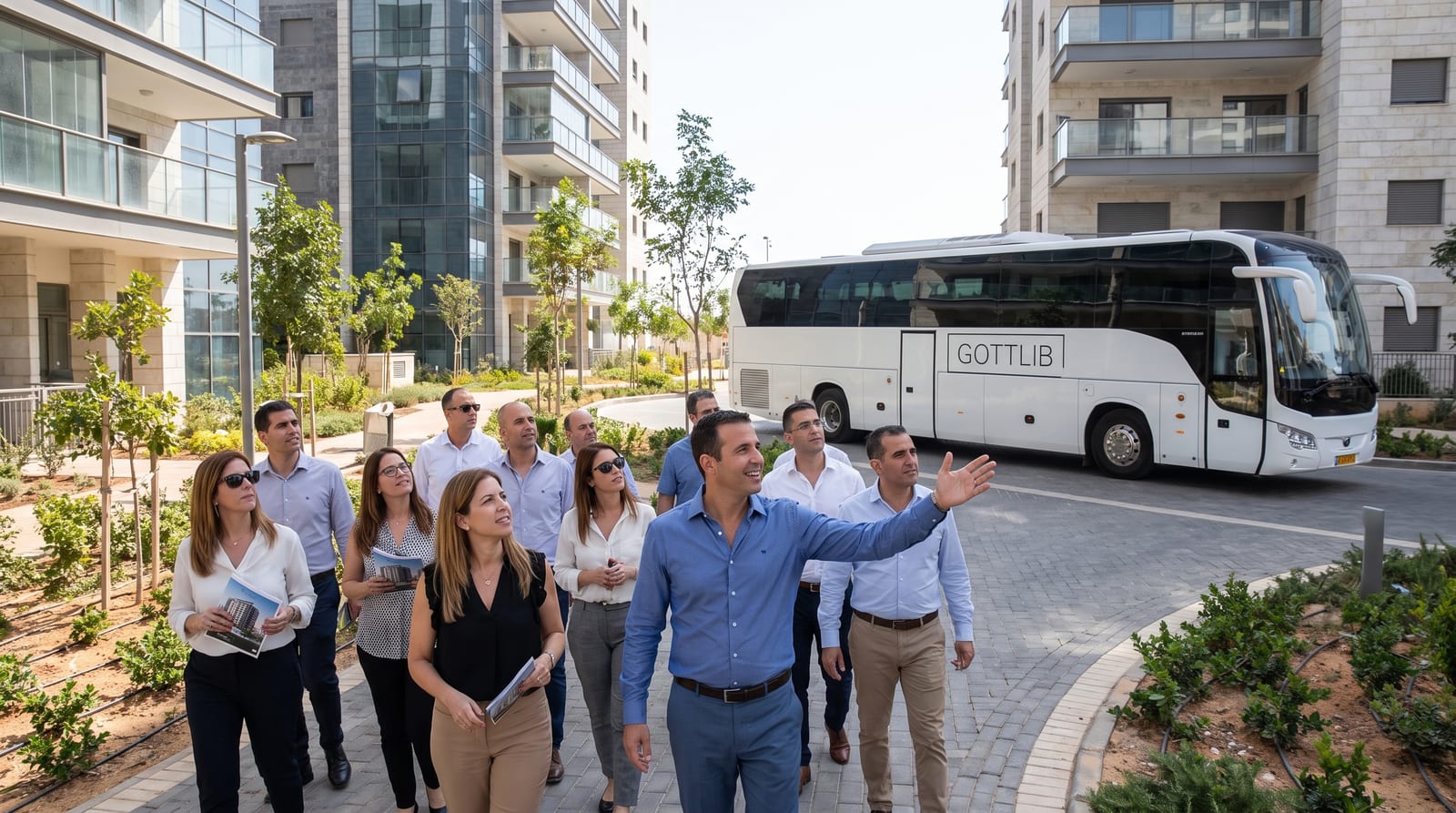
- 01
התארגנות
הקבוצה מתגבשת סביב יעד אחד ומוסכם: איזה נכס, באיזה אזור ובאיזה טווח מחיר.
- 02
ההצעה — ואז הבחירה
היזמים מביאים את ההצעות, כולל פרויקטים שעוד לא הגיעו לשוק הפתוח, והקבוצה בוחרת. מה שנבחר עובר לשולחן המשא ומתן.
- 03
משא ומתן קבוצתי
מנהלים מול היזם עסקה אחת: מחיר, לוח תשלומים, מפרט ובטוחות — חבילה קבוצתית מעוגנת בכתב.
- 04
חתימות
כל חבר חותם על הסכם מכר ונספח שינויים על שמו — עם התנאים הקבוצתיים בפנים וליווי אישי מלא.
- 05
עד המפתח — ואחריו
תשלומים בשוברים בלבד, ליווי במסירה ובפרוטוקול הבדק, ומכתבי החרגה עד לשחרור המלא.
מה ששואלים אותנו על קבוצות רוכשים
מה ההבדל בין קבוצת רוכשים לקבוצת רכישה?
קבוצת רוכשים קונה דירות מיזם — לכל חבר הסכם מכר משלו, עם כל ההגנות של חוק המכר: ערבויות, שוברים ומפרט מחייב. קבוצת רכישה, לעומת זאת, קונה קרקע ובונה בעצמה — בלי יזם שאחראי לתוצאה ובלי בטוחות חוק המכר, על כל הסיכון שבזה. וגם המס שונה: בקבוצת רכישה מס הרכישה מחושב על שווי הדירה הגמורה (תיקון 69 לחוק מיסוי מקרקעין), בקבוצת רוכשים — על מחיר הדירה בחוזה. אנחנו מלווים את הראשונה.
כמה רוכשים צריך כדי שזה יעבוד?
אין מספר קסם. גם קבוצה של דירות בודדות משנה את השיחה מול יזם — ודאות מכירה שווה לו כסף אמיתי, במיוחד בשוק עם עשרות אלפי דירות לא מכורות. ככל שהקבוצה גדולה יותר, החבילה שאפשר להשיג משתפרת.
כל אחד מאיתנו חותם על חוזה נפרד?
כן, כל רוכש בקבוצה חותם על חוזה נפרד משלו וקונה את הדירה ישירות מהיזם, בהסכם מכר ונספח שינויים על שמו. התנאים הקבוצתיים מעוגנים בכל אחד מהחוזים — הכוח קבוצתי, הזכויות אישיות לגמרי.
מה זה מבנה תשלומים 20/80 — והאם הוא עדיין רלוונטי ב-2026?
20/80 הוא לוח תשלומים שבו משלמים כ-20% בחתימה והיתרה סמוך למסירה — במקום תשלומים לפי קצב הבנייה. בנק ישראל הגביל בהוראת שעה (בתוקף עד סוף 2026) את מבצעי המימון הממונפים של קבלנים ואת הלוואות הבלון שמאחוריהם. לוח תשלומים דחוי עדיין אפשרי — אבל הוא עניין למשא ומתן מקצועי שמכיר את הרגולציה ואת הבנק המלווה, לא הבטחה ממודעה. זה בדיוק סוג התנאים שקבוצה מאורגנת משיגה נכון.
כמה מס רכישה אשלם ברכישה קבוצתית?
בדיוק כמו ברכישה רגילה מיזם — החברות בקבוצה לא משנה את המס. דירה יחידה: 0% עד 1,978,745 ₪ (מדרגות 2026). דירה נוספת: 8% מהשקל הראשון. עולים — במסלול המוקל שלהם. מה שכן חשוב: לא להתבלבל עם קבוצת רכישה של קרקע, ששם המס מחושב על שווי הדירה הגמורה עוד לפני שנבנתה.
אני משקיע. למה שאקנה דרך קבוצה ולא לבד?
כי התשואה של השקעה נקבעת ביום הקנייה, לא ביום המכירה — וקבוצה קונה טוב יותר: מתחת למחירון, בתנאי תשלום שמשאירים את ההון לעבוד, עם בטוחות מלאות. מה שאנחנו מתחייבים לו: שהעסקה תיבדק לעומק, שהחוזה יגן עליכם, ושכל שקל יהיה מובטח בבטוחה שבדין.
מי הגורם המארגן — ומה האינטרס שלו?
שאלת המפתח בכל התארגנות קבוצתית. בשוק, מארגנים ומשווקים מתוגמלים בדרך כלל מצד העסקה שהם מביאים — והאינטרס שלהם נגמר בחתימה. אצלנו המבנה הפוך: המשרד מייצג את הקבוצה בלבד. חובת הנאמנות שלנו קבועה בדין — והיא כלפיכם.
יש לנו כבר קבוצה מגובשת. מה אתם מוסיפים?
את מה שהופך התארגנות של חברים לעסקה: משא ומתן מול היזם ובאי-כוחו על התנאים המסחריים והמשפטיים עצמם — ההצמדה ולוח התשלומים, הביטחונות, המפרט ושינויי הדיירים, מועד המסירה והאחריות שאחריו, וההוצאות הנלוות. בסופו נספח שינויים, וייצוג של כל חבר בחוזה שלו.
ההגנות של חוק המכר חלות גם ברכישה קבוצתית?
במלואן. רכישה קבוצתית מיזם היא עסקת יד ראשונה לכל דבר: ערבות חוק המכר על כל תשלום מעל 7% מהמחיר, תשלומים בפנקס שוברים והתחייבות למפרט. אצלנו זה חלק מהתנאים הקבוצתיים — בלי ויתורים, לאף חבר.
אפשר להצטרף לקבוצה גם מחו״ל?
כן, אפשר להצטרף לקבוצת רוכשים גם מחו״ל. עסקה קבוצתית נחתמת מרחוק כמו כל עסקת מקרקעין — ייפוי כוח מאומת, זיהוי מרחוק וליווי מלא באנגלית למי שצריך. לעולים ולתושבי חוץ יש אצלנו פתרון ייעודי משלהם, כולל תמונת המס המלאה — מוזמנים לעמוד העולים והמשקיעים מחו״ל שלנו.
קבוצה מאורגנת, עסקה אחת
המשרד מייצג קבוצות רוכשים בעסקאות הזדמנות: קבוצה מגובשת שנכנסת לפרויקט כגוף אחד. ליזם זו מכירה בהיקף — עשרות דירות מול כתובת אחת, בשלב שבו ודאות שווה לו הכי הרבה. והשיחה מתחילה בתנאים המסחריים עצמם: לוח תשלומים, מפרט משופר, תנאים משפטיים ובטוחות. כל הצעה מובאת לקבוצה, על התנאים האלו.

כל אחד מאלו מגיע ישירות למשרד:
שיחה עם עורך דין מקרקעין, בשלב שבו אתם נמצאים.
דירה שאתם קונים או מוכרים, בניין שנכנס להתחדשות, או חוזה שמחכה להחלטה. משאירים שם וטלפון, ואנחנו חוזרים אליכם לשיחה עם עורך דין בכיר מהצוות: שומעים אתכם, ואומרים מה השלב הבא — גם כשהוא לא אצלנו.