רוב מיוחס הוא הרף שממנו החוק מאפשר להתקדם בפינוי-בינוי גם כשלא כולם חתמו: מי שהגיע אליו יכול לבקש מבית המשפט להכריע מול שכן שמסרב בלי סיבה סבירה. סופרים אותו לפי דירות ולא לפי אנשים. בבניין שבו רוב הדירות כבר חתמו והשכנים מלמעלה עדיין מסרבים, החשבון נעשה על הדירות שחתמו, לא על מספר הידיים שהורמו באספה.
אפשר להניע פינוי-בינוי בלי החתימה של כולם? כן, בשני תנאים. הראשון: רוב מיוחס בבניין של 4 דירות לפחות, לפי המונים שהחוק קובע, כלומר המקבץ כולו, כל בניין בנפרד והרכוש המשותף. השני: מול מי שלא חתם רק בית המשפט מכריע, ורק אם מצא שהסירוב שלו בלתי סביר. ב-2 או 3 דירות אין מנגנון רוב, ושם צריך את כולם.
שכן אחד שמתנגד יכול לקבור את הפרויקט?
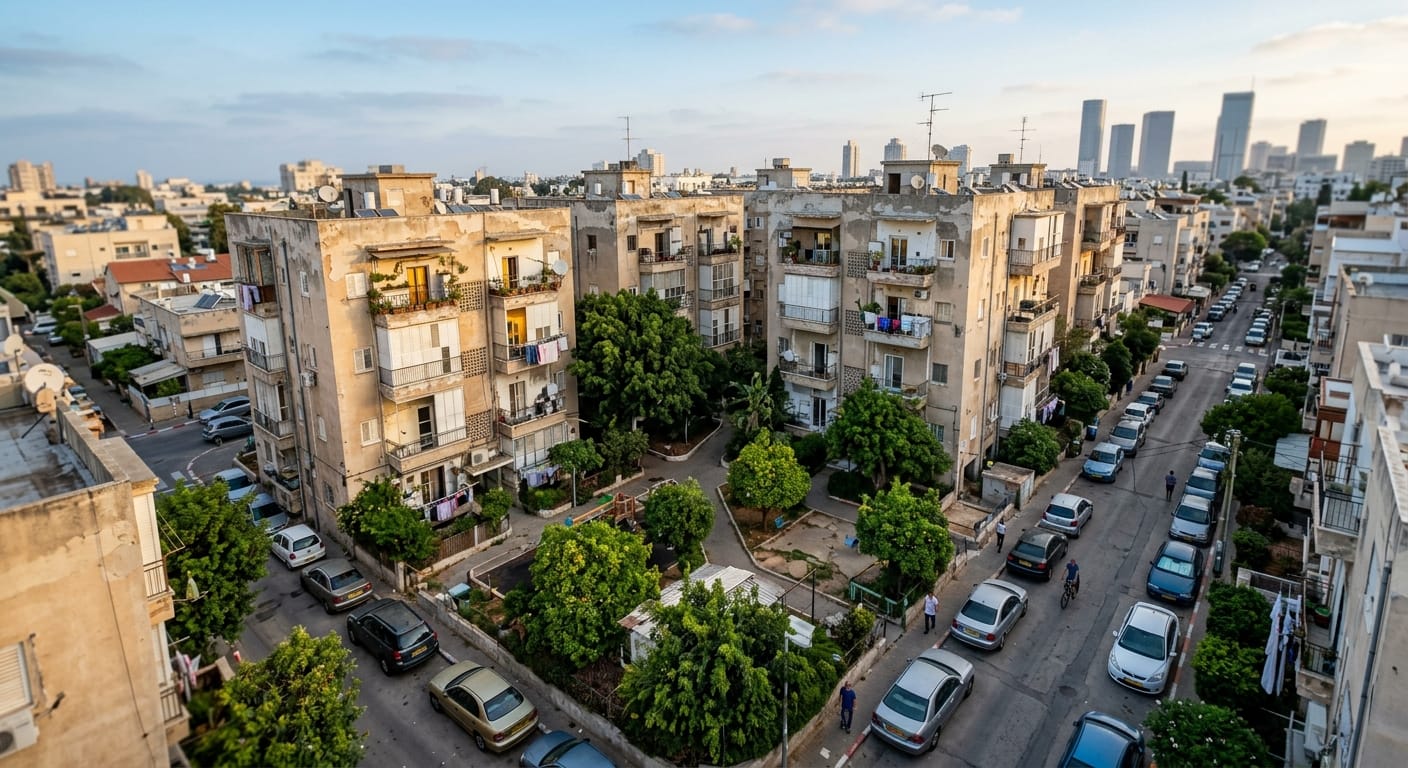
נניח שזה המצב שלכם: בניין משנות השישים, 4 קומות בלי מעלית, ובכל אספת דיירים עולה רעיון ההתחדשות העירונית — ויורד. תמיד באותו משפט: "אין מה להתחיל, מהקומה השנייה לא יחתמו בחיים". ההנחה שמאחורי המשפט הזה פשוטה: בלי כולם, אין פרויקט.
החוק אומר אחרת, וכבר כמה שנים. רף ההסכמה בפרויקטים של התחדשות עירונית ירד בשני מהלכי חקיקה — בינואר 2022 בפינוי-בינוי, וביולי 2023 במסלול ההריסה של הבניין הבודד. מי שסופר היום לפי הכללים הישנים דורש מעצמו רוב שהחוק כבר לא דורש. ככה זה נראה בארבעה מספרים.
כמה הסכמה צריך כדי להניע פינוי-בינוי?
רוב מיוחס — שלושה תנאים מצטברים. חוק פינוי ובינוי (עידוד מיזמי פינוי ובינוי), התשס"ו-2006, מגדיר בסעיף 1 "רוב מיוחס מבין בעלי הדירות", וזה הרף שממנו המנגנון של החוק מתחיל לעבוד:
"בעלי הדירות במקבץ לפינוי ובינוי, שבבעלותם שני שלישים לפחות מתוך כלל הדירות שבמקבץ, וכן מתקיימים בהם שני אלה: …" — סעיף 1 לחוק פינוי ובינוי (עידוד מיזמי פינוי ובינוי), התשס"ו-2006, הגדרת "רוב מיוחס מבין בעלי הדירות", כנוסחה מ-1.1.2022
שימו לב לניסוח: "שבבעלותם… מתוך כלל הדירות". סופרים דירות, לא אנשים. המקבץ — קבוצת הבניינים שהעסקה חלה עליהם — צריך ש-2/3 מהדירות שבו יהיו בבעלות המסכימים. ואל החשבון הזה מצטרפים שני תנאים שנבדקים בכל בניין ובניין:
שלושה תנאים, כמו שלושה מנעולים על אותה דלת: המקבץ כולו, כל בניין בנפרד, והרכוש המשותף. הדלת נפתחת רק כשהמפתח מסתובב בשלושתם. ותנאי רביעי דווקא נעלם מהחוק: עד סוף 2021 נדרשו גם 3/4 מהרכוש המשותף ברמת המקבץ כולו — הדרישה הזו נמחקה כליל, ונותרו תנאי הרכוש המשותף בניין-בניין בלבד.
שורה תחתונה: רוב מיוחס בפינוי-בינוי = 2/3 מדירות המקבץ, 3/5 (60%) בכל בניין, יותר ממחצית מהרכוש המשותף בכל בניין. ואת כולם סופרים לפי דירות.
מתי ירד הרף — ולמה התאריך חשוב?
ב-1 בינואר 2022. ההגדרה שקראתם הגיעה מחוק התכנית הכלכלית (תיקוני חקיקה ליישום המדיניות הכלכלית לשנות התקציב 2021 ו-2022), התשפ"ב-2021, שפורסם ברשומות ב-18.11.2021, והרף החדש חל מ-1.1.2022. עד אז עמד הרף במקבץ על 4/5 מהדירות. המחוקק הוריד אותו ל-2/3, הקל את התנאים בתוך כל בניין ומחק את דרישת הרכוש המשותף ברמת המקבץ.
התאריך אינו טריוויה. הסכמים ומצגות של יזמים נכתבו במשך שנים סביב המספרים הישנים, וחלקם עדיין מסתובבים בין ועדי בתים. מי שנשען עליהם מציג לשכנים רף שכבר אינו הדין.
שורה תחתונה: מי שמדבר על 4/5 מצטט דין שהוחלף ב-1.1.2022.
תמ"א 38 פקעה — אז לפי מה סופרים היום בבניין בודד?
לפי חוק החיזוק, שחי וקיים. נתחיל בעובדה: תמ"א 38 פקעה ב-1.10.2023. ועדות מקומיות שעמדו בתנאי המועצה הארצית קיבלו רשת ביטחון — לכל היותר עד 18.5.2026 או עד אישור תכנית מחליפה, המוקדם מביניהם — וגם המועד הזה כבר מאחורינו. תמ"א 38 אינה מסלול פתוח למי שמתחיל היום.
אלא שכללי ההסכמה מעולם לא ישבו בתמ"א עצמה. הם יושבים בחוק המקרקעין (חיזוק בתים משותפים מפני רעידות אדמה), התשס"ח-2008 — "חוק החיזוק". הגדרת "תכנית החיזוק" שבו נבנתה כך שתחול גם על תכניות שהוכנו בזמנו מכוח סעיף 23 לתמ"א, וגם על תכנית שחלה על "מבנה הטעון חיזוק" כהגדרתו בסעיף 70א לחוק התכנון והבנייה — מסלולי החלופה של תיקון 139, המוכר כ"חלופת שקד". על חלופת שקד עצמה — מי נכנס וכמה בונים — הרחבנו במאמר על חלופת שקד.
שורה תחתונה: התמ"א הלכה, כללי הרוב נשארו. ספירת ההסכמה בבניין בודד חיה בחוק החיזוק — גם בעסקת חלופת שקד.
כמה הסכמה צריך בבניין בודד — ומה בהריסה?
נפריד בין שני מצבים. בניית דירות חדשות בלי הריסה — הדרך המוכרת לממן חיזוק: נקודת המוצא של סעיף 5(א) לחוק החיזוק היא דווקא הסכמת כולם — ומיד אחריה מגיע ה"ואולם":
"ביצוע עבודה ברכוש המשותף שמטרתה בניית דירה חדשה אחת או יותר, טעון החלטה מראש של כל בעלי הדירות… ואולם רשאי המפקח… לאשר את ביצוע העבודה, …" — סעיף 5(א) לחוק המקרקעין (חיזוק בתים משותפים מפני רעידות אדמה), התשס"ח-2008
ובואו נדייק: זה אינו רוב שמחליט במקום כולם, אלא רף שממנו המפקח על רישום מקרקעין מוסמך לאשר את העבודה גם בלי הסכמה מלאה — אחרי שכל בעל דירה קיבל הזדמנות לטעון. הכוח נשאר אצל בעלי הדירות: הם התובעים, הם המניעים.
הריסה והקמה מחדש — מסלול סעיף 5א לחוק החיזוק: המפקח מוסמך לאשר גם עבודה כזו מאז 2012, ומאז 1.7.2023 די לכך בתביעת בעלי 2/3 מהדירות ש-2/3 מהרכוש המשותף צמודים לדירותיהם — "הרוב הדרוש לאישור ביצוע העבודה" בלשון החוק — ובלבד שמדובר בבית משותף שיש בו 4 דירות לפחות ויותר מ-2 בעלי דירות. עד 1.7.2023 עמד הרף הזה על 4/5. ההורדה נקבעה בחוק התוכנית הכלכלית (תיקוני חקיקה ליישום המדיניות הכלכלית לשנות התקציב 2023 ו-2024), התשפ"ג-2023.
שורה תחתונה: בבניין בודד המספר לזכור הוא 2/3 — מהדירות וגם מהרכוש המשותף. ובהריסה: לפחות 4 דירות, יותר מ-2 בעלי דירות.
השגתם רוב מיוחס — מה עושים עם מי שעוד לא חתם?
קודם ניישר קו: עסקת פינוי-בינוי מחייבת רק את מי שחתם עליה. שכן שלא חתם אינו כבול לה, ובלי צו שיפוטי, מימוש מלא של הפרויקט דורש בסופו של דבר את חתימת כל בעלי הדירות. אז מה שווה הרוב? כאן נכנס סעיף 2 לחוק פינוי ובינוי:
"הסכים רוב מיוחס מבין בעלי הדירות במקבץ לפינוי ובינוי לכרות עסקת פינוי ובינוי, …" — סעיף 2(א) לחוק פינוי ובינוי (עידוד מיזמי פינוי ובינוי), התשס"ו-2006, כנוסחו מתיקון מס' 6, התשע"ח-2018
לצד סמכות האישור עומדת החלופה הראשונה שבסעיף: לקבוע שבעל הדירה המסרב אחראי בנזיקין — כלומר חב בפיצוי — כלפי שכניו המסכימים, על הנזק שנגרם להם מאי-ביצוע העסקה (סעיף 2(א)(1)). האחריות בנזיקין של המסרב קבועה בחוק מאז חקיקתו ב-2006. סמכות אישור העסקה ומינוי החותם נוספה בתיקון מס' 6, משנת 2018.
ויש תנאי כניסה: בית המשפט נדרש תחילה למצוא שהסירוב בלתי סביר, וכל בעל דירה מקבל את יומו. גם עם רוב מיוחס ביד, השאלה עוברת בחינה שיפוטית מלאה.
שורה תחתונה: הרוב המיוחס הוא מפתח לבית המשפט. ממנו מגיעים לפיצוי, או לאישור העסקה עם חותם ממונה — ובלעדיו נדרשת חתימת כולם.
איזה בניין בכלל נכנס למנגנון?
בית משותף של 4 דירות ומעלה. חוק פינוי ובינוי טרח להגדיר:
"אחד מאלה, ובלבד שיש בו ארבע דירות לפחות: (1) כמשמעותו בפרק ו' לחוק המקרקעין; (2) כמשמעות "בית" בפרק ו'1 לחוק המקרקעין" — סעיף 1 לחוק פינוי ובינוי, התשס"ו-2006, הגדרת "בית משותף", בנוסחה המקורי השריר גם היום
מה זה אומר בפועל? בבניין של 2 דירות או 3, מנגנון הרוב של החוק כלל אינו חל — שם העסקה נבנית על הסכמה מלאה של כולם. ובקצה השני, מסלול ההריסה בבניין בודד מוסיף כזכור תנאי סף משלו: 4 דירות לפחות ויותר מ-2 בעלי דירות.
שורה תחתונה: לפני שסופרים אחוזים, סופרים דירות. פחות מ-4 — והמנגנון כולו לא חל.
איזה רוב חל על איזה מסלול?
| המסלול | הרוב שמניע | תנאים נוספים | מי מכריע מול מיעוט |
|---|---|---|---|
| פינוי-בינוי במקבץ (ס' 1 לחוק פינוי ובינוי) | רוב מיוחס: 2/3 מהדירות שבמקבץ | בכל בניין: 3/5 (60%) מהדירות + יותר ממחצית מהרכוש המשותף; בבניין של 4–5 דירות — 3 דירות ויותר מ-2 בעלי דירות | בית המשפט — פיצוי, או אישור העסקה ומינוי חותם (ס' 2) |
| בניין בודד — דירות חדשות בלי הריסה (ס' 5(א) לחוק החיזוק) | 2/3 מהדירות + 2/3 מהרכוש המשותף | ברירת המחדל: החלטת כל בעלי הדירות; הרף פותח תביעה למפקח | המפקח על רישום מקרקעין, אחרי שכל בעל דירה נשמע |
| בניין בודד — הריסה והקמה מחדש (ס' 5א לחוק החיזוק) | 2/3 מהדירות + 2/3 מהרכוש המשותף (מ-1.7.2023) | 4 דירות לפחות ויותר מ-2 בעלי דירות | המפקח על רישום מקרקעין |
| בניין של 2–3 דירות | אין מנגנון רוב — הסכמה מלאה | מחוץ להגדרת "בית משותף" בחוק פינוי ובינוי (ס' 1) | — |
כך בונים את הרוב — שישה צעדים
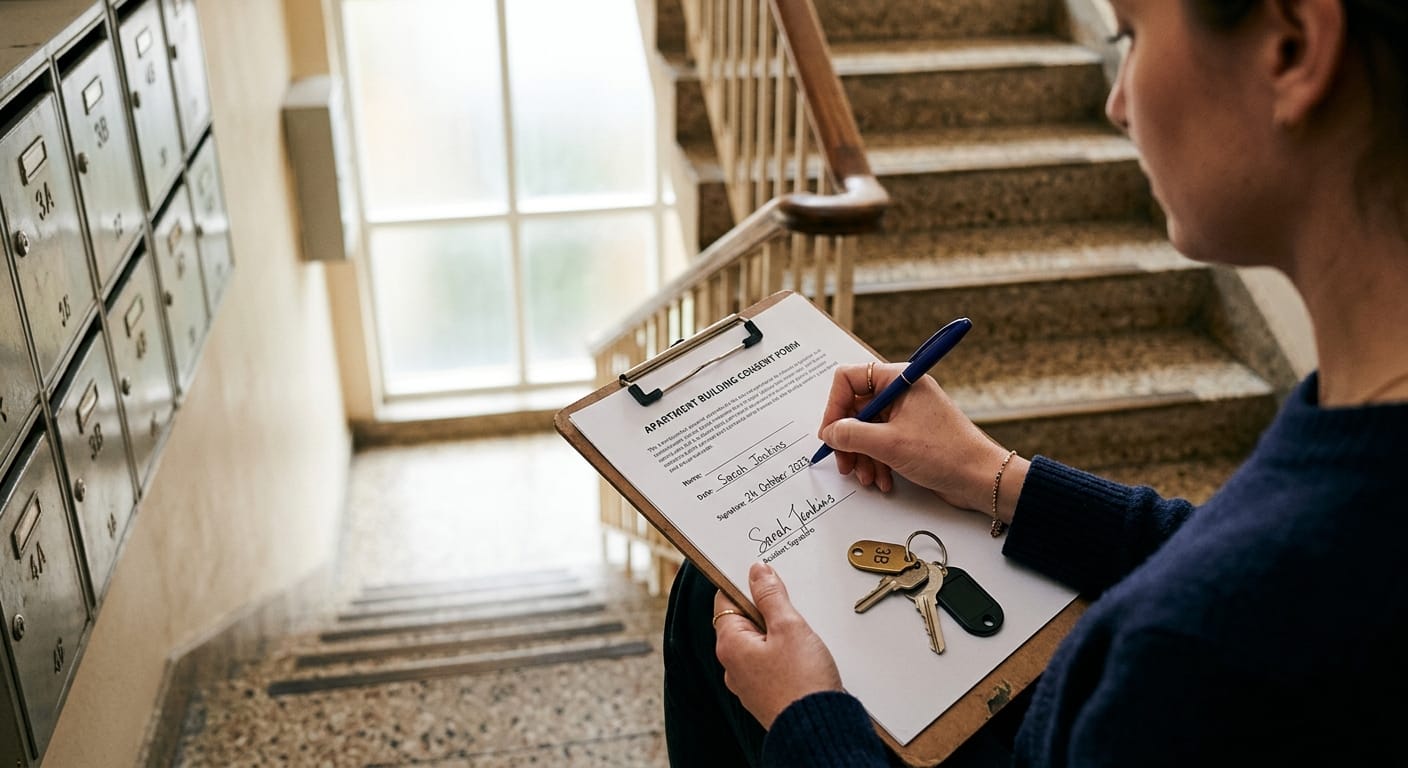
- 1סופרים דירות. כמה דירות בבניין ובמקבץ, ומי הבעלים הרשומים של כל אחת — נסח טאבו עדכני לכל דירה, לא זיכרון.
- 2מזהים את המסלול. מקבץ של פינוי-בינוי, או בניין בודד במסלול חיזוק — תוספת או הריסה. לכל מסלול מוני רוב משלו.
- 3עורכים את חשבון הרוב על הנייר. במקבץ: 2/3 מכלל הדירות, ובכל בניין — 3/5 (60%) מהדירות ויותר ממחצית מהרכוש המשותף. בבניין בודד: 2/3 מהדירות ומהרכוש המשותף.
- 4בודקים את חלקי הרכוש המשותף, לא רק את מספר הדירות. החלק הצמוד לכל דירה הוא מונה נפרד בחשבון.
- 5מתעדים כל חתימה — מי חתם, על איזו דירה, ומתי. חשבון הרוב חי ומשתנה עם כל חתימה חדשה.
- 6כשיש רוב מיוחס ומיעוט שמסרב — שוקלים פנייה לבית המשפט לפי סעיף 2, עם התשתית העובדתית כבר ביד.
מה מוודאים לפני שיוצאים לדרך?
שאלות ותשובות
יש לנו בניין של 3 דירות ושלושתנו בעד. אפשר להניע פינוי-בינוי?
לא דרך מנגנון הרוב של החוק. "בית משותף" לעניין חוק פינוי ובינוי הוא בית שיש בו 4 דירות לפחות (סעיף 1 לחוק), ובניין של 3 דירות נשאר מחוץ להגדרה — אין בו רוב כופה ואין מסלול לסעיף 2. כששלושתכם בעד, זה ממילא לא מפריע: עסקה בהסכמה מלאה אינה זקוקה למנגנון.
מקבילה ששווה להכיר: גם מסלול ההריסה וההקמה בבניין בודד קבע סף דומה — 4 דירות לפחות ויותר מ-2 בעלי דירות (סעיף 5א לחוק החיזוק). מתחת ל-4 דירות, את העסקה בונים על הסכמת כולם.
בבניין שלנו 10 דירות, 7 חתמו. יש לנו רוב?
תלוי באיזה מסלול. 7 מתוך 10 עוברות את שני מוני הדירות — יותר מ-2/3 ויותר מ-3/5 (60%). אבל אלו אינם המונים היחידים: בבניין בודד צריך גם ש-2/3 מהרכוש המשותף יהיו צמודים לדירות החותמים (סעיף 5(א) לחוק החיזוק), ובפינוי-בינוי — יותר ממחצית מהרכוש המשותף בכל בניין, ו-2/3 מהדירות בכל המקבץ (סעיף 1 לחוק פינוי ובינוי).
לכן את התשובה נותן חשבון מלא: אילו דירות חתמו, מה חלקן ברכוש המשותף, ואיפה עומדים שאר בנייני המקבץ. 7 חתימות הן התחלה מצוינת — הרוב נקבע בטבלה, לא בתחושה.
שכן אחד מסרב עקרונית, לכל הצעה. הפרויקט מת?
לא. בדיוק למצב הזה כיוון סעיף 2 לחוק פינוי ובינוי: כשרוב מיוחס הסכים לעסקה ובית המשפט מוצא שהסירוב בלתי סביר, הוא רשאי לחייב את המסרב בפיצוי כלפי השכנים המסכימים — או לאשר את ביצוע העסקה ולמנות עורך דין או רואה חשבון שיחתום בשמו. הפיצוי קבוע בחוק מאז חקיקתו ב-2006, ואישור העסקה ומינוי החותם נוספו בתיקון מס' 6, משנת 2018.
ויש גם צד שני: סירוב אינו "בלתי סביר" באופן אוטומטי, ולכל בעל דירה שמור יומו בבית המשפט. המנגנון מטפל בחסימה שרירותית — וטענות אמיתיות נשמעות.
היזם שלנו עדיין מדבר על 80 אחוז. מי צודק?
המספרים שלו ישנים. בפינוי-בינוי ירד הרף מ-4/5 ל-2/3 מדירות המקבץ ב-1.1.2022 (חוק התכנית הכלכלית, התשפ"ב-2021). בבניין בודד, במסלול הריסה והקמה, ירד הרף מ-4/5 ל-2/3 ב-1.7.2023 (התיקון לסעיף 5א לחוק החיזוק, עם הוראת מעבר למי שכבר התקשרו לפי הרף הישן).
מספרים נוח לבדוק: ההגדרות המעודכנות יושבות בסעיף 1 לחוק פינוי ובינוי ובסעיפים 5(א) ו-5א לחוק החיזוק. מסמך שנוקב ברף ישן הוא סימן לעדכן את המסמך — ואת החשבון.
השגנו רוב מיוחס. היזם יכול להתחיל לפנות דיירים?
עוד לא. עסקת פינוי-בינוי מחייבת את מי שחתם עליה, ומי שלא חתם אינו כבול לה — כך שבלי צו שיפוטי, מימוש מלא של הפרויקט דורש את חתימת כל בעלי הדירות. מה שהרוב המיוחס משנה הוא את המצב המשפטי: ממנו אפשר לפנות לבית המשפט, ואם יימצא שהסירוב בלתי סביר — לקבל אישור לביצוע העסקה ומינוי חותם במקום המסרב (סעיף 2(א)(2)).
בפועל, הדרך מהרוב המיוחס והלאה עוברת באחת משתי דלתות: חתימות שממשיכות להצטרף, או הכרעה שיפוטית. את שתי הדלתות פותח אותו רוב.
רוב לא מחכים לו — בונים אותו
השאלה "כמה חתימות צריך" נשמעת כמו שאלה של מספר אחד. בפועל זה חשבון בכמה שכבות: מוני דירות, חלקי רכוש משותף, תנאי סף לכל מסלול ותאריכים שקובעים איזה דין חל עליכם. במשרד עו"ד נעם גוטליב אנחנו עורכי דין להתחדשות עירונית ומלווים בעלי דירות: בונים את חשבון הרוב של הבניין שלכם, מנסחים את המסמכים ומייצגים אתכם מול היזם ובכל ערכאה — משלב הרעיון ועד קבלת המפתח.
מתעניינים, מתלבטים או כבר סופרים חתימות? כתבו לנו בוואטסאפ — ספרו כמה דירות יש בבניין ומי כבר בעד, ונחזור אליכם עם החשבון.
את הרוב המיוחס לא מגלים ביום החתימה — בונים אותו, דירה אחרי דירה, לפי הדין המעודכן. מי שעושה את החשבון נכון מהיום הראשון, מניע את ההתחדשות בראשקט.
המקורות: חוק פינוי ובינוי (עידוד מיזמי פינוי ובינוי), התשס"ו-2006 — סעיפים 1 ו-2; חוק המקרקעין (חיזוק בתים משותפים מפני רעידות אדמה), התשס"ח-2008 — סעיפים 1, 5(א) ו-5א; חוק התכנית הכלכלית, התשפ"ב-2021; חוק התוכנית הכלכלית, התשפ"ג-2023; חוק התכנון והבנייה (תיקון מס' 139), התשפ"ב-2022; החלטות המועצה הארצית לתכנון ולבנייה על פקיעת תמ"א 38. נוסח מעודכן נבדק ב-7.10.2026. המידע לעיל הוא מידע ראשוני ואינו ייעוץ משפטי או תחליף לו; מומלץ להיוועץ בעורך דין בטרם נקיטת פעולה.
מקור מועדף מאפשר לכם לראות את המאמרים החדשים שלנו יותר ב“כתבות מובילות”, כשתחפשו שוב נושא מהתחום. וזו הזדמנות טובה גם לפרגן לנו.
הוספה כמקור מועדף ב-Google (נפתח בלשונית חדשה)
מידע כללי — לא ייעוץ משפטי.