כעת, נבחן שלב נוסף ומשמעותי בתהליך – שלב ההכרזה בפרויקט התחדשות עירונית. ההכרזה היא אבן דרך משמעותית שלעיתים מכריעה האם פרויקט התחדשות עירונית יצא לפועל אם לאו. כמה היא קריטית? ההכרזה משפיעה על קבלת הטבות מיסויות בפרויקט, ההתמודדות עם דיירים סרבנים, ולמעשה קובעת בין היתר את הכדאיות הכלכלית של פרויקט. הבנת תהליך ההכרזה והמשמעויות הנובעות מכך תסייע ליזמים, לבעלי נכסים ולמשקיעים לתכנן את צעדיהם בצורה מושכלת, ולהבטיח שהפרויקט יתנהל בצורה יעילה ומוצלחת.
מהו תהליך ההכרזה?
תהליך ההכרזה הוא שלב משפטי שבו מתחם מוגדר מוכרז כמתחם לפינוי ובינוי (או לעיבוי בנייה), מה שמקנה לפרויקט מעמד חוקי ומאפשר לקבל הטבות מס ותמריצים אחרים. בבניין בודד במסלול חלופת שקד אין הכרזה בכלל: הטבות המס שלו קבועות בחוק מיסוי מקרקעין עצמו.
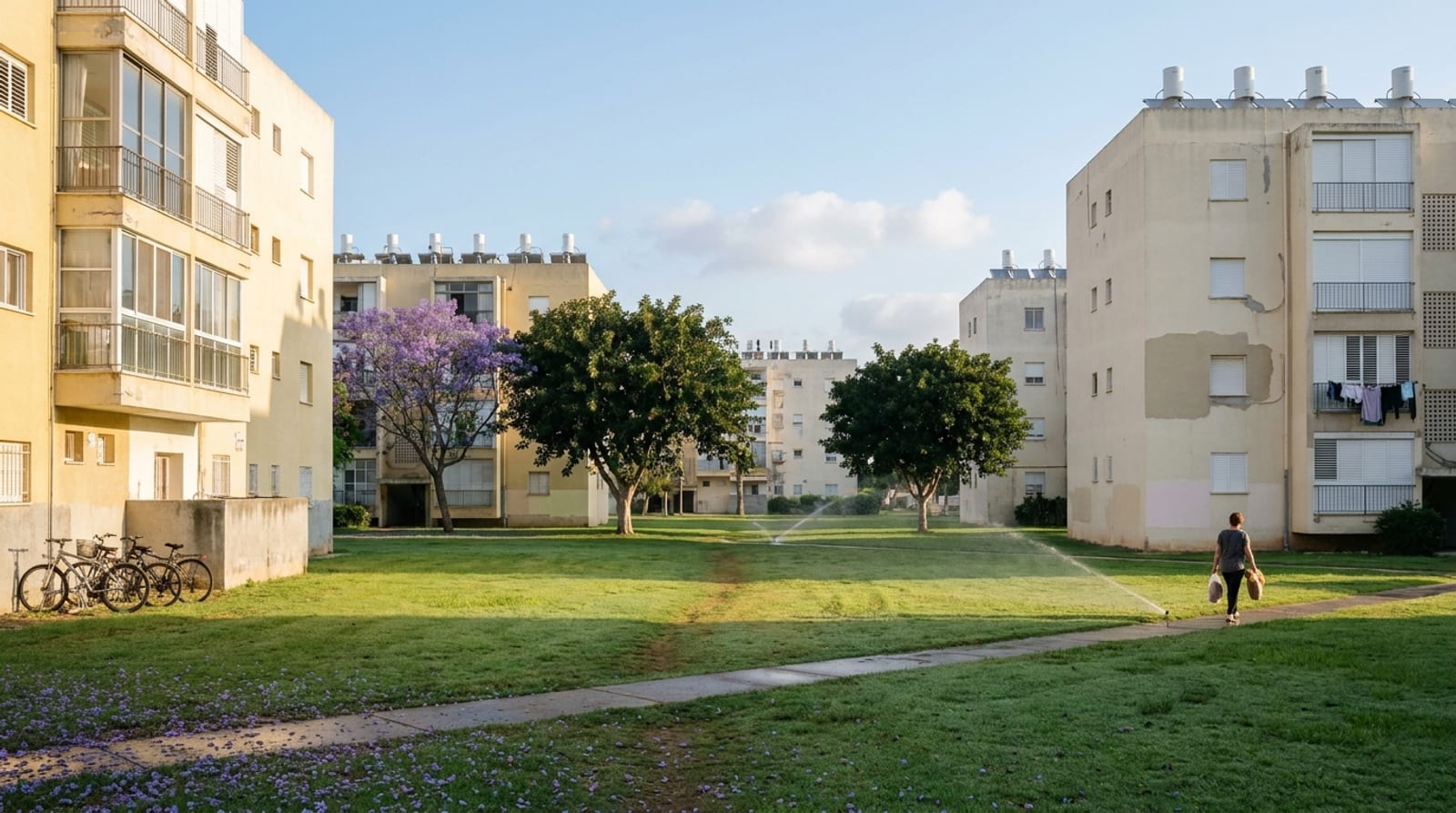
סוגי ההכרזות המרכזיים בפינוי בינוי:
1. מסלול מיסוי (לבקשת יזם)
יזמים המעוניינים לקדם פרויקט פינוי בינוי מטעמם, פונים לרשות הממשלתית להתחדשות עירונית לצורך הכרזה על מתחם כמתחם פינוי בינוי. "מסלול מיסוי" הוא השם שדבק בפנייה של יזם, אבל מאז 18.11.2021 ההכרזה היא אחת, לפי חוק הרשות הממשלתית להתחדשות עירונית, ושני המסלולים נבדלים רק במי שפונה — ההטבות זהות. ההכרזה מאפשרת לדיירים וליזמים לקבל הטבות מיסוי משמעותיות, המייצרות תנאים לכדאיות כלכלית לפרויקט ומקלות על הוצאתו לאור. (זוכרים שהדיירים לא מוציאים כסף מהכיס שלהם בתהליך? רוצים לראות שוב? בואו למאמר על סעיפים מהותיים בהסכם התחדשות עירונית, שם אנחנו עוסקים בתמורות, ערבויות, תנאים מתלים (מה זה? כל הזמן מזכירים את זה בפרויקטים של התחדשות עירונית..), זכויות קשישים בפרויקט התחדשות עירונית ועוד).
2. מסלול רשויות מקומיות
במסלול זה, הרשות המקומית יוזמת את הפרויקט ומגישה בקשה לרשות הממשלתית להתחדשות עירונית להכריז על המתחם. ההכרזה מאפשרת לרשות המקומית לקבל תמיכה ממשלתית, כולל משאבים, כלים מקצועיים והטבות מיסויות. ההכרזה נעשית בשיתוף פעולה עם הרשות המקומית ומאפשרת תכנון וביצוע פרויקטים בהיקף רחב, תוך התאמה לצרכי הקהילה המקומית.
למה התהליך נדרש והאם הוא חשוב?
הכרזת מתחם כפינוי בינוי היא שלב קריטי שמעניק לפרויקט מסגרת חוקית, תמיכה מוסדית והטבות משמעותיות, המאפשרת קידום יעיל של פרויקט ההתחדשות העירונית. בואו נראה חלק מהם:
1. ודאות משפטית, תכנונית וכלכלית
ההכרזה מעניקה לפרויקט מסגרת משפטית ותכנונית ברורה המאפשרת את קידום פרויקט ההתחדשות העירונית באופן מוסדר, מה שמעלה את הביטחון של כל הצדדים המעורבים בפרויקט.
2. זכאות להטבות מיסוי ותמריץ כלכלי ליזמים
ההכרזה מאפשרת לבעלי הדירות וליזמים ליהנות מהטבות מס משמעותיות המפחיתות את העלויות הכוללות של היזם ולמעשה יוצרות על פי רוב את התנאים הכלכליים הכדאיים להתקיימות פרויקט ועסקת התחדשות עירונית בין היזם לבין בעלי הדירות. ללא ההכרזה, לא ניתן לקבל את הפטורים וההטבות המיוחדות הקבועות בחוק.
בואו נראה דוגמאות לחלק מהטבות המיסוי האטרקטיביות המתקבלות כתמורה להכרזת המתחם:
הטבות מס לבעלי הדירות:
- הטבות במס שבח: בעלי הדירות במתחם זכאים לפטור ממס שבח בעת מכירת זכויותיהם בדירה הקיימת ליזם לפי התנאים בחוק, בתמורה לקבלת דירה חלופית, מה שמקל עליהם להתקדם בפרויקט.
- הטבות במס רכישה על קבלת הדירה החדשה: בעת קבלת הדירה החדשה מהיזם בתמורה לדירה הישנה, בעלי הדירות פטורים מתשלום מס רכישה על הדירה החדשה.
- הטבות במע"מ: בעלי הדירות נהנים על פי רוב מהטבה של תשלום מע"מ בשיעור אפס בגין רכישת הדירה החדשה מהיזם וכן בגין קבלת שירותי בנייה (עד לתקרת הפטור לפי החוק) מהיזם. (שואלים מה היתרון במע"מ 0 ולא פטור ממע"מ? ניתן לקזז מס תשומות).
- הטבות נוספות לקשישים: פטור ממס שבח על תמורה נוספת לקשישים וכן על מכירת הדירה החלופית על ידי קשיש.
הטבות מס ליזמים:
- הטבות במס רכישה: היזמים עשויים להנות מהקלות במס רכישה עבור רכישת הקרקע או הזכויות לבנייה מהדיירים הקיימים.
- הטבות במס הכנסה: היזמים עשויים להנות מהקלות במס הכנסה ובאפשרות לקזז הוצאות בהתאם לחוק.
- הטבלות במע"מ: היזמים יכולים לקבל הקלות במע"מ על מכירת הדירה החלופית לבעלי הדירות הקיימות (ישנות) וכן בגין שירותי הבנייה הניתנים לדיירים (דירות חדשות) וכן דחיית תשלום המע"מ.
- הקלות בהיטל ההשבחה: היזמים עשויים להנות מהקלות בגין תשלום היטל השבחה על עליית ערך המקרקעין.
הטבות אלו משפיעות ישירות על עלות הפרויקט ומהוות תמריץ מהותי (ולעיתים אף מכריעות האם יצא לאור פרויקט) ליזמים להשקיע בפרויקטים אלו ומה שמשפר את כדאיות הפרויקט.
3. קידום מהיר יותר של הפרויקט
מתחמים שהוכרזו כמתחמי פינוי בינוי מקבלים לעיתים קדימות בטיפול ברשות המקומית וברשויות התכנון (ודאות אמרנו?), כמו גם מקלה על היזם בהתמודדות עם התנגדויות וקשיים רגולטוריים מה שיכול לזרז את פרויקט ההתחדשות העירונית.
4. תמיכה וסיוע מהרשויות
ההכרזה מאפשרת קבלת סיוע מקצועי, משפטי ותכנוני מהרשות הממשלתית להתחדשות עירונית ומהרשויות המקומיות, המסייעים בהתמודדות עם אתגרים בתהליך.
5. חיזוק מעמד הרוב המיוחס וכלים להתמודדות עם דיירים סרבנים
ההכרזה מחזקת את מעמד הרוב המיוחס של בעלי דירות המעוניינים לקדם התחדשות עירונית בבניין שלהם, ומקנה להם כלים משפטיים להתמודדות עם התנגדויות בלתי סבירות. לרשות בעלי הדירות ברוב המיוחס עומדת האפשרות לפנות לבית המשפט כדי לחייב את הדייר הסרבן שלא מציג טיעון סביר להתנגדות להשתתף בפרויקט ההתחדשות העירונית וכן לחייבו לשלם פיצויים בגין הנזקים הנגרמים מעיכובו. שיכול למנוע עיכובים משמעותיים בהתקדמות הפרויקט.
6. הגברת נגישות למימון
הוודאות המשפטית בפרויקטים שזוכים להכרזה מסייעת בהשגת מימון לפרויקט והעלאת הנגישות למקורות מימון ציבוריים או פרטיים, מכיוון שהם נתפסים כפרויקטים עם גיבוי ממשלתי ובעלי פוטנציאל רווחי גבוה. בנוסף, ההכרזה מאיצה את שיווק הדירות החדשות של היזם, ובכך מאפשרת ליזם לממן את הפרויקט ומתמרצות אותו להוציאו לפועל ולפגוש את הכסף בתום התהליך ובמסירת הדירות.
7. שיפור תשתיות וסביבה עירונית
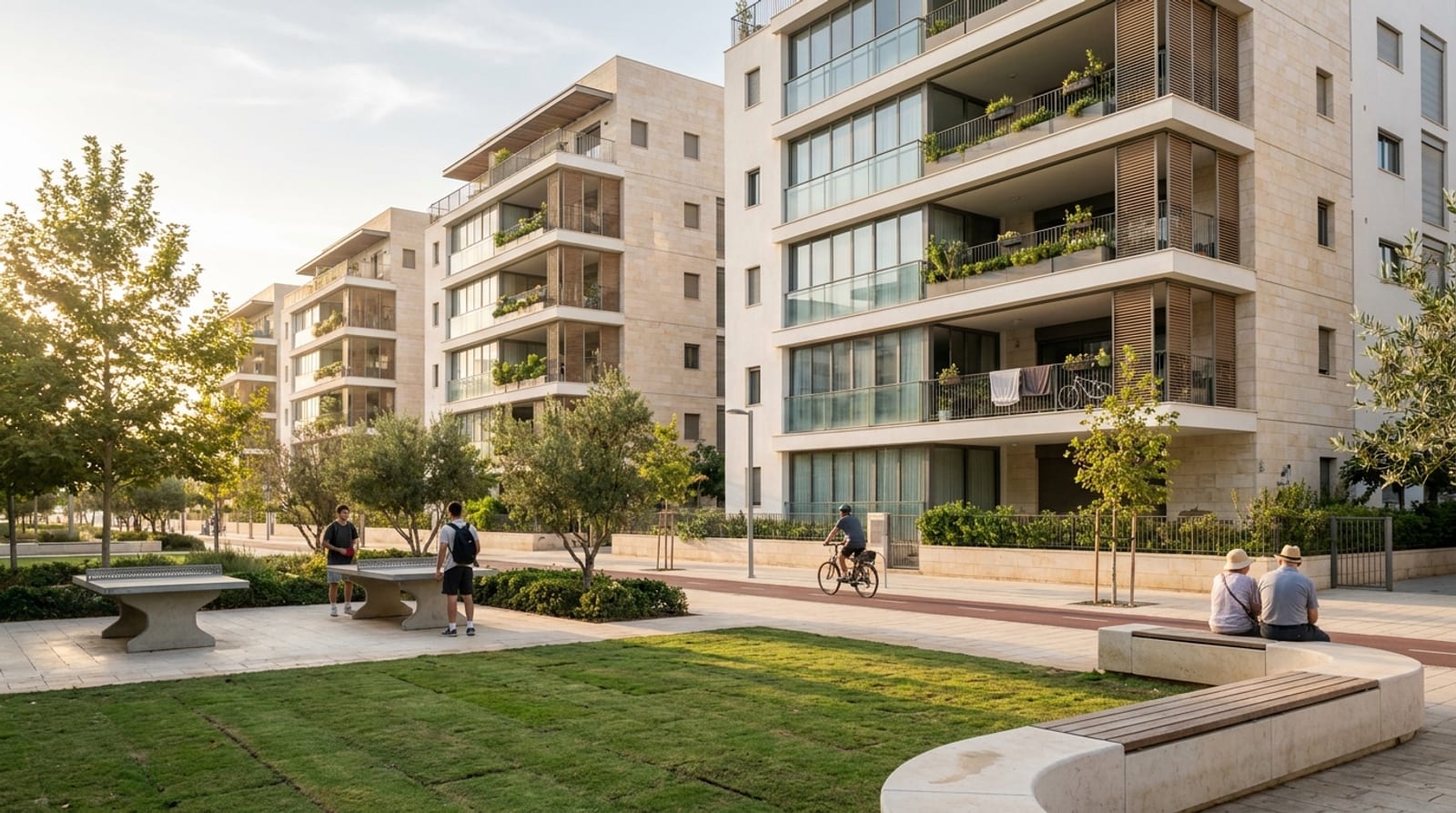
ההכרזה מאפשרת תכנון וביצוע שדרוגים בתשתיות הקיימות כמו דרכים, ביוב, חשמל ותאורה ציבורית, הוספת שטחים ציבוריים, מבני ציבור ועוד. פרויקט התחדשות עירונית מביא עמו תמורות מבורכות לא רק הבניינים משודרגים, אלא גם הסביבה הכללית משתפרת, משפר את איכות החיים של התושבים ומעלה את ערך הנכסים.
תנאים להגשת בקשה להכריז על מתחם התחדשות עירונית
מנהל הרשות רשאי להכריז על מתחם כמתחם לפינוי ובינוי או לעיבוי בנייה, לבקשת יזמים, במידה שמתקיימים התנאים הקבועים בחוק:
1. תכנון: קיימת תכנית מפורטת אשר הופקדה להתנגדויות על ידי מוסד התכנון המוסמך, המאפשרת הריסה או עיבוי בנייה של לפחות 24 יחידות דיור או יחידות אחרות הקיימות בשטח, לצורך בנייה של מכפלת מספר היחידות הקיימות או לפחות 70 יחידות, הגבוה מביניהם.
2. הסכמי פינוי בינוי: היזם התקשר בהסכמי פינוי ובינוי עם רוב מיוחס מבעלי הדירות במתחם (בעלי דירות שבבעלותם שני שלישים לפחות מהדירות שבמקבץ, ובכל בית משותף — שלוש חמישיות לפחות מהדירות ויותר ממחצית מהרכוש המשותף הצמוד לדירותיהם; בבית של 4–5 דירות: 3 דירות לפחות ויותר משני בעלי דירות). רוצים לדעת עוד לגבי הרוב הנדרש במסלולי התחדשות עירונית? כמובן שכבר ראינו את הסוגיה במאמר על הרוב הדרוש מבעלי הדירות. בואו להיות מעודכנים.
3. עמדת הרשות המקומית: הרשות המקומית נתנה את הסכמתה להכרזה על המתחם כמתחם פינוי ובינוי, או שהתקיימו התנאים הקבועים בסעיף 14(א1) לחוק הרשות הממשלתית להתחדשות עירונית.
שלבי תהליך ההכרזה בפרויקט התחדשות עירונית
1. ייזום הפרויקט:
2. הגשת בקשה לרשות הממשלתית להתחדשות עירונית:
- היזם או הרשות המקומית מגישים בקשה להכרזה על המתחם כמתחם "פינוי ובינוי" לרשות הממשלתית להתחדשות עירונית.
- הבקשה כוללת מידע על המתחם, תכנית פיתוח מוצעת, ומסמכים נוספים כפי שנדרש.
3. בדיקת הבקשה ואישור מקדמי:
- הרשות הממשלתית להתחדשות עירונית בוחנת את הבקשה, את הכדאיות הכלכלית, התכנונית והחברתית של הפרויקט.
- ניתן גם להגיש בקשה לקבלת אישור מקדמי למתחם לצורך הטבות המס. האישור המקדמי מאפשר הגשת דיווח לרשות המיסים לצורך דחיית מועד חבות המס, וכן מקדם את התכנית במסגרת מסלולי התכנון הייחודיים להתחדשות עירונית. חשוב להדגיש כי האישור המקדמי אינו מחייב בהכרח הכרזה; ההכרזה תתבצע לאחר מכן ובכפוף לעמידת היזם בתנאים הנדרשים להכרזה.
4. הכרזה על המתחם כמתחם "פינוי ובינוי":
- לאחר בחינת הבקשה ואישור הרשות, המתחם יוכרז כמתחם "פינוי ובינוי" במסלול המתאים.
- ההכרזה מתפרסמת ברשומות, ומודיעה לציבור על מעמדו החדש של המתחם.
5. קבלת אישורים וביצוע הפרויקט:
- לאחר אישור התכנית וקבלת היתרי הבנייה, היזם מתחיל בביצוע הפרויקט, כולל העמדת ערבויות והתקיימות התנאים המתלים, פינוי הדיירים לדיור חלופי, הריסת המבנים הישנים ובניית החדשים.
הזדמנויות למשקיעים ובעלי דירות
תהליך ההכרזה הוא מרכיב מרכזי בהצלחת פרויקטים של פינוי בינוי. הכרזה לא רק מקנה מסגרת חוקית ותכנונית לפרויקט אלא גם מאפשרת קבלת הטבות מיסוי משמעותיות לדיירים וליזמים המספקות למשקיעים סביבה אטרקטיבית להשקעות עם סיכון נמוך יותר ותשואה גבוהה יותר. המגמה הזו מאפשרת זרימה חופשית יותר של הון ומעודדת פיתוח נדל"ן באזורים המועדפים. בעלי דירות שבוחרים להשתתף בפרויקטים אלו נהנים לא רק מדירה חדשה אלא גם משיפור משמעותי באיכות חייהם. ההתחדשות העירונית מביאה עמה שדרוג המרחב העירוני, תשתיות משופרות, פתרונות תחבורה טובים יותר ועוד הגורמים להעלאת ערך הנכסים של בעלי הדירות. רוצים לדעת עוד למה התחדשות עירונית כדאית? הקדשנו לזה מאמר שלם. בואו.
סוֹף דָּבָר הַכֹּל נִשְׁמָע
המפתח להצלחה בפרויקט התחדשות עירונית טמון בהבנת השלבים הקריטיים – בניהם, שלב ההכרזה.
אנחנו מלווים בעלי דירות בהתחדשות עירונית בכל שלב, מההחלטה הראשונה ועד המפתח: שומרים על האינטרסים שלכם, וההסכם עובד בשבילכם.
שאלה על הנושא הזה בתיק שלכם? כתבו לנו — נענה לגופו של עניין, לא בכלליות.
מקור מועדף מאפשר לכם לראות את המאמרים החדשים שלנו יותר ב“כתבות מובילות”, כשתחפשו שוב נושא מהתחום. וזו הזדמנות טובה גם לפרגן לנו.
הוספה כמקור מועדף ב-Google (נפתח בלשונית חדשה)
מידע כללי — לא ייעוץ משפטי.