כפי שראינו בפרסומים הקודמים, התחדשות עירונית מביאה עמה שיפור באיכות החיים, העלאת ערך הדירות, מוגנות, הזדמנויות חדשות ועוד.
אנחנו פה כדי להרגיע.
ללכת איתכם יד-ביד,
ליתן חוויה נעימה,
להנגיש את המידע, לייצר פתרונות חדשניים,
ולצלוח את התהליך בדרך בטוחה ויעילה.
במאמר הקודם עסקנו בכינוס אספה ותפקידי נציגות הדיירים.
הפעם נראה איך בוחרים וממנים בפועל את נציגות הדיירים. יאללה, ממשיכים.
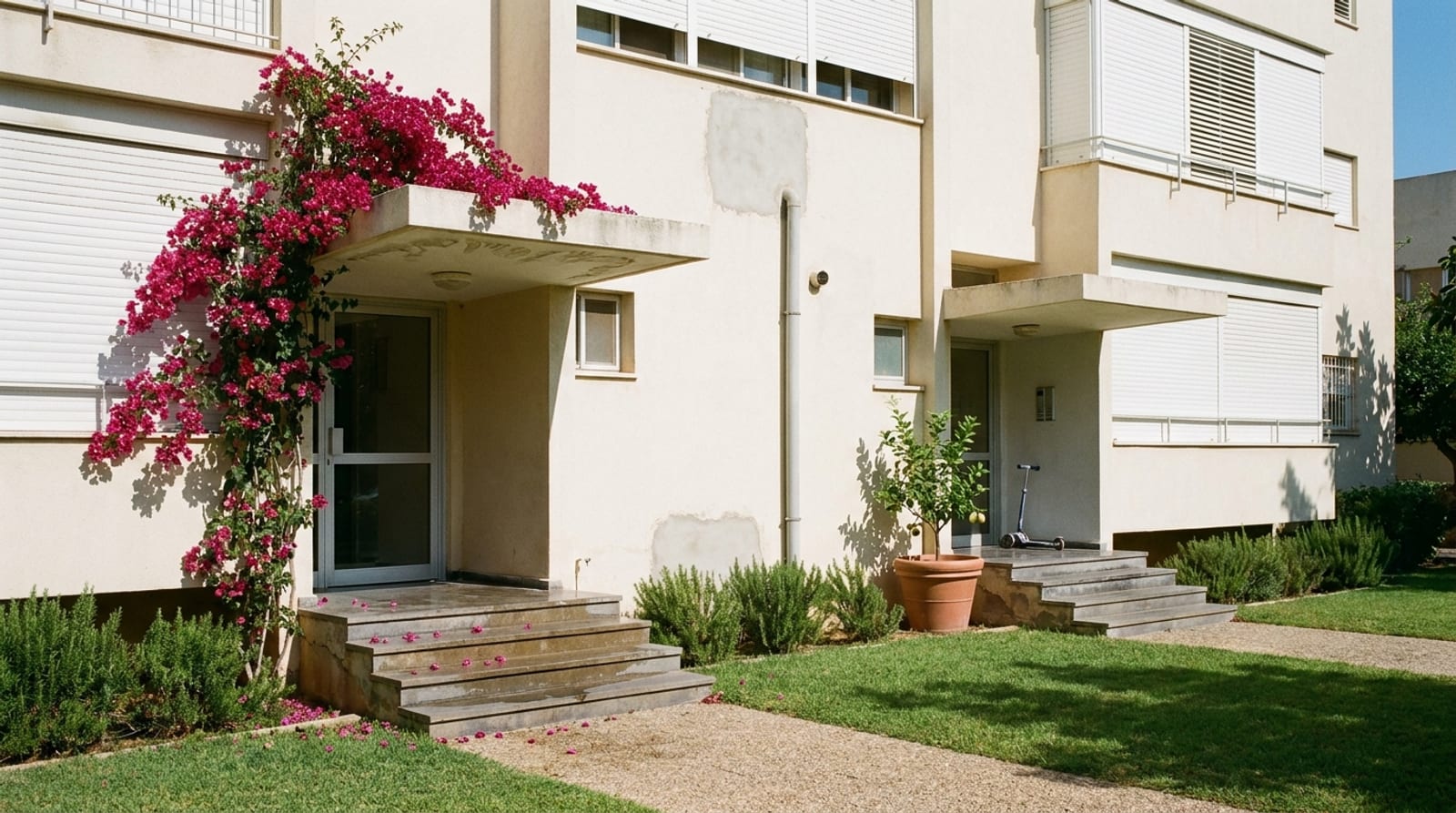
לאספת הדיירים בה יבחרו וימנו את הנציגות, חשוב שיגיעו למעלה מ-50% מכלל בעלי הדירות בבניין (אפשר לארגן את האספה גם בזום, כאשר בעלי הדירות לא גרים קרוב).
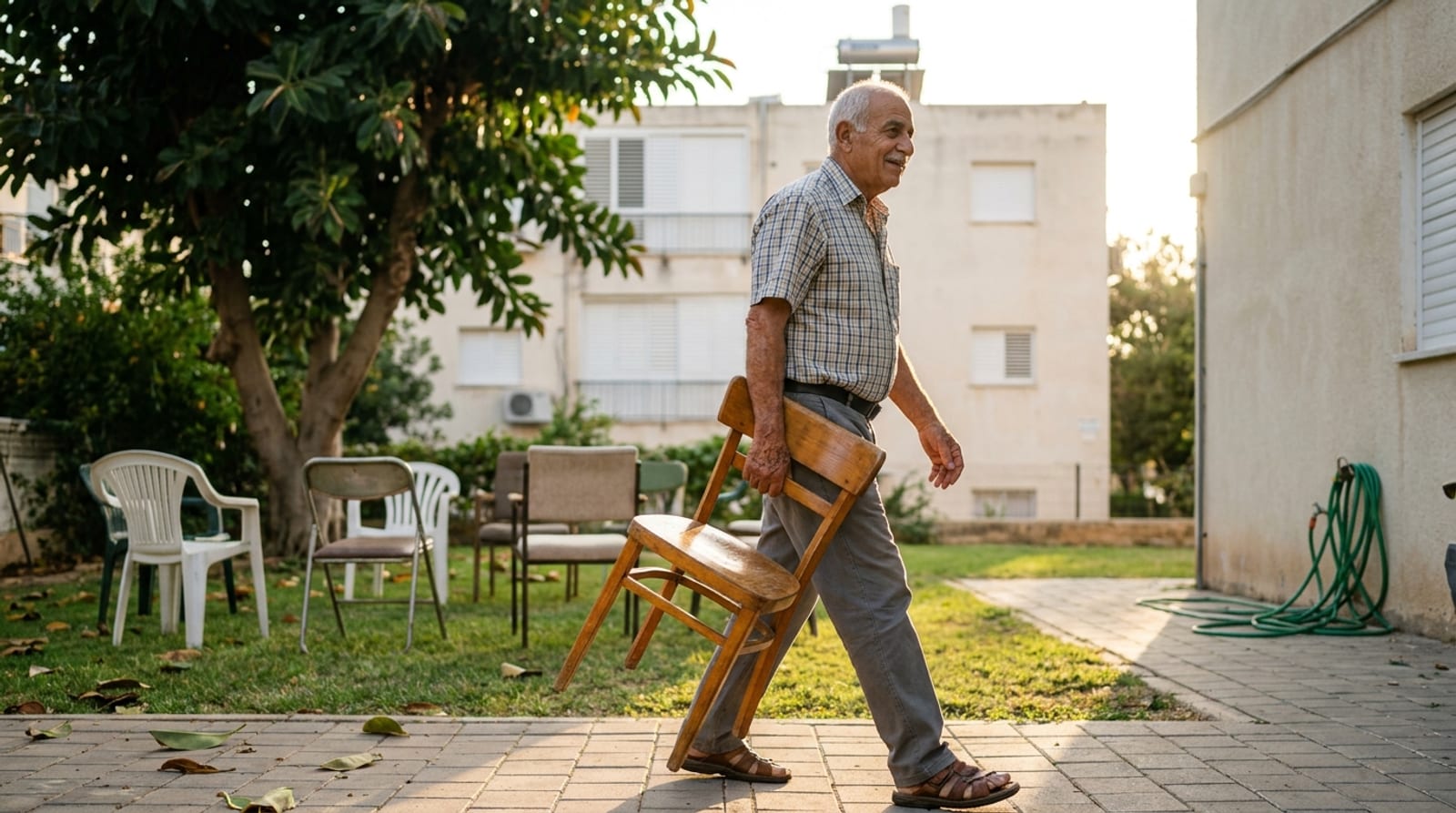
הבחירה בנציגות תיעשה במהלך האספה בהליך דמוקרטי ושקוף, כאשר כל בעלי הדירות המעוניינים להיות שותפים ולהתנדב לנציגות יוכלו להציע מועמדותם.

הבחירה והמינוי לנציגות ייעשו באמצעות כתב הסכמה עליו יחתמו בעלי הדירות. המינוי ייכנס לתוקף רק לאחר חתימת 51% מבעלי הדירות. נוסח כתב ההסמכה יכלול התחייבויות הנציגות לדיירים כי תפעל בתום לב, סבירות וניקיון כפיים.
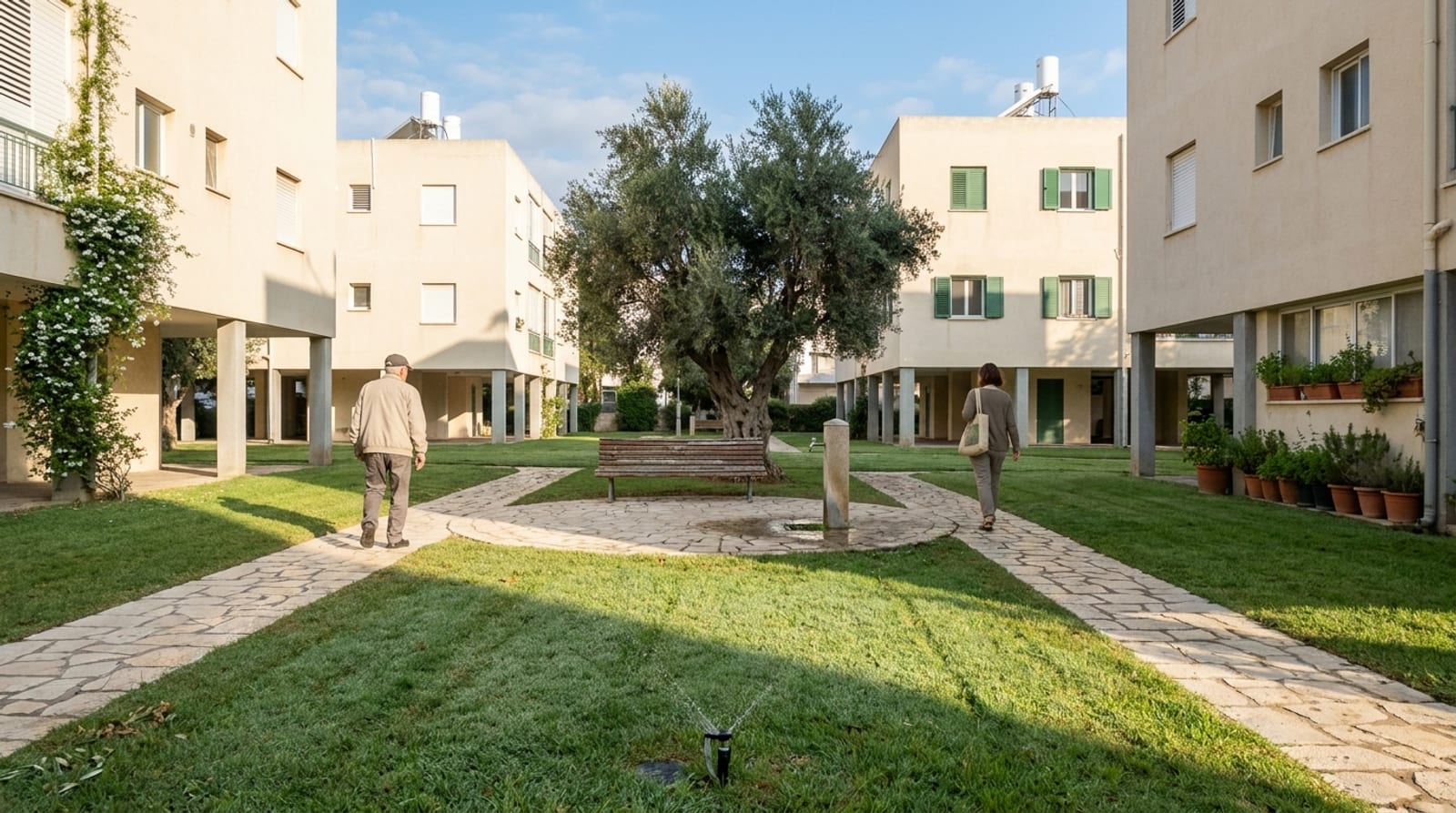
- בפרויקט פינוי-בינוי תיבחר נציגות לכל בניין או כניסה. ככל ואין היענות לכך, אפשר לבחור נציגות מבניין/כניסה אחד/ת עבור כולם, אך נדרשת החלטת הרוב מבין בעלי הדירות בבניינים/כניסות אלו. בכל אופן, הנציגויות הנבחרות של הבניינים יחברו לכדי נציגות אחת, והיא שתייצג את כלל המתחם.
- חשוב להבין, חתימת הדיירים על כתב ההסמכה אינה התחייבות לחתום על כל הסכם שהוא או לשלם דבר.
- לצורך הנעת התהליך – אין צורך בהסכמה של כל בעלי הדירות, אלא רק של הרוב הדרוש. 51% הם המלצת המדריך של הרשות הממשלתית להתחדשות עירונית לכניסת כתב ההסמכה של הנציגות לתוקף. את הרוב שמניע את העסקה עצמה קובע החוק: בפינוי-בינוי שני שלישים מהדירות שבמקבץ, ובכל בניין שלוש חמישיות מהדירות ויותר ממחצית מהרכוש המשותף. בחיזוק או בהריסה של בניין בודד — שני שלישים מהדירות ושני שלישים מהרכוש המשותף. כך, שאם קיים הרוב הנדרש, ניתן להתקדם גם בהיעדר הסכמה של כל הדיירים.
- מומלץ כי הנציגות תכלול מספר אי-זוגי של נציגים, כדי לאפשר יכולת החלטה.
- אפשר לחלק את התפקידים בין חברי הנציגות, לדוגמה – יו"ר הנציגות יהיה אחראי לקביעת פגישות ולוחות זמנים, חבר נוסף יהיה אחראי על הקשר עם הדיירים, עדכונם באופן שוטף והנגשת המידע, חבר אחר יהיה אחראי להתקשרויות ולחוזים ויפעל ישירות עם בעלי המקצוע וכדומה.
- פרוטוקול מפגש בחירת הנציגות וכן כתב ההסמכה החתום יפורסמו לכלל הדיירים בבניין ויהוו את הסכמת הדיירים למינוי הנציגות.
המידע לעיל מהווה מידע ראשוני בלבד ואין הוא מהווה ייעוץ משפטי או תחליף לו ואין באמור לעיל בכדי להוות המלצה לנקיטת הליכים ו/או להימנעות מהם. מומלץ להיוועץ עם עו"ד העוסק בתחום בטרם נקיטת כל פעולה. למען הסר כל ספק, האחריות לכל תוצאה בשל הסתמכות על האמור לעיל תחול על המשתמש בלבד.
שאלה על הנושא הזה בתיק שלכם? כתבו לנו — נענה לגופו של עניין, לא בכלליות.
מקור מועדף מאפשר לכם לראות את המאמרים החדשים שלנו יותר ב“כתבות מובילות”, כשתחפשו שוב נושא מהתחום. וזו הזדמנות טובה גם לפרגן לנו.
הוספה כמקור מועדף ב-Google (נפתח בלשונית חדשה)
מידע כללי — לא ייעוץ משפטי.