כאמור, פרויקטים של התחדשות עירונית הם הזדמנות מעולה עבור בעלי דירות בבניינים ישנים והזדמנות טובה עבור יזמים. כתוצאה מכך צמחו לאורך השנים בשטח גורמים שפועלים להחתים בעלי דירות בבניינים פוטנציאלים להתחדשות על הסכמי בלעדיות (ואף הסכמים סופיים) כדי להעביר את הפרויקטים ליזמים.
לרוב היוזמה של המארגנים והיזמים מקדמת את התהליך המבורך של ההתחדשות העירונית. אלא שיחד עם זאת, עלה הצורך לקדם הגנה על האינטרסים של בעלי הדירות המעוניינים לקדם התחדשות עירונית בבניין שלהם, ואינם בהכרח בעלי הידע וההבנה בתחום. בשל כך, נוסף לספר החוקים חוק התחדשות עירונית (הסכמים לארגון עסקאות).
אז למה לי מארגן? מה תפקידו? מי יכול להיות מארגן? מה מומלץ לבחון? מהו הסכם נוֹן-שׁוֹפּ? איך בוחרים?
בואו. יש תשובות.
למה לי מארגן?
כדי להקל על תהליך התחדשות העירונית או כאשר עולים קשיים בקידום פרויקט התחדשות עירונית, בעלי הדירות יכולים לשקול התקשרות עם מארגן מקצועי. לדוגמה כאשר לבעלי הדירות אין את הידע המקצועי, אין הזמן הדרוש או את היכולת לקדם בכוחות עצמם פרויקט של התחדשות עירונית, באפשרותם לפנות למארגן שיפעל מטעמם ויקדם את הפרויקט ביעילות ומהירות.
לעיתים, ישנם פרויקטים של התחדשות עירונית המתחילים ביוזמה ברוכה של בעלי דירות בבניין אחד לקדמו באופן בודד. אך תוך התקדמות התהליך, עולה כי לבניין בודד אין כדאיות כלכלית להיתכנות הפרויקט מצד החברות היזמיות. בשל כך, נדרש לצרף בניינים נוספים לפרויקט (ואיתם בעלי דירות נוספות) כדי שתהיה כדאיות כלכלית לפרויקט, ולא הריסה ובנייה מחדש של בניין בודד*. במקרה כזה אפשר גם להיעזר בשירותים של מארגן.
במקרים אחרים, המארגן פונה מיוזמתו לבעלי הדירות ומבקש לקדם עבורם פרויקט להתחדשות עירונית.
מי יכול להיות מארגן?
מארגן הוא מי שמתקשר עם בעל דירה בהסכם לארגון עסקת התחדשות עירונית או מבצע פעולות לקראת התקשרות עם בעל דירה בהסכם כאמור.
בפועל, מארגן יכול להיות נציגות דיירים יוזמת וחרוצה, חברות שמתמחות בארגון פרויקטים של התחדשות עירונית, מתווכי נדל"ן*, חברות יזמיות שרוצות לקדם פרויקטים של התחדשות עירונית וכיו"ב. מקובל כי שכר המארגן ישולם במלואו על ידי היזם שיבחר על ידי בעלי הדירות.
חשוב לשים לב – המארגן נדרש לפעול לטובת בעלי הדירות בנאמנות, בהגינות, בשקיפות, בדרך מקובלת ולפעול במיומנות ובסבירות במילוי התחייבויותיו על פי ההסכם לארגון.
כמו-כן, המארגן נדרש להסביר לבעלי הדירות את מהות ההסכם ועיקריו, ואת התוצאות המשפטיות הנובעות ממנו, ולמסור בהקדם האפשרי לבעלי הדירות כל מידע שיש בידו בעניין מהותי הנוגע לעסקת ההתחדשות העירונית.
*הסכם לארגון עסקת התחדשות עירונית אינו תיווך מקרקעין והוראות חוק המתווכים במקרקעין לא יחולו על מארגן.
נוֹן שׁוֹפּ
נון-שופ (Non-Shop)* הוא מסמך להתחייבות להימנעות מניהול משא ומתן או שלא להתקשר בכל הסכם אחר בעניין ארגון בעלי הדירות באותו בניין או קידום עסקת התחדשות עירונית בדרך אחרת, אלא בהסכמת המארגן, עליו מבקש המארגן שיחתמו בעלי הדירות.
המארגן מעוניין לבדוק את הפוטנציאל הקיים והכדאיות הכלכלית לביצוע התחדשות עירונית בבניין, כמו גם את הזמן הדרוש לגבש את הרוב הנדרש להנעת תהליך התחדשות עירונית. לשם כך המארגן מבקש מבעלי הדירות להימנע מהאמור לעיל לתקופה מוגבלת, כדי לאפשר לו למצות את התהליך ולקבל החלטה בדבר ההתקשרות עם בעלי הדירות לביצוע הפרויקט וגיבוש הרוב הנדרש.
עם זאת, לעיתים בעלי דירות נקשרים בהתחייבות חד צדדית אשר עלולה לכבול אותם בהתחייבות מתמשכת שבדיעבד יתקשו לצאת ממנה והשלכותיה אינן ידועות להם, בנוסף לתקופת ההתארגנות שהמארגן מבקש מבעלי הדירות להקפיא את המו"מ מול גורמים אחרים. בשל כך, מומלץ כי טרם חתימה על מסמך דומה (או כל מסמך עם גורמים מעורבים), עו"ד המייצג את בעלי הדירות יבחן אותו לעומק.
*מה חשוב שיכלול הנון-שופ, מה המועדים הקבועים בחוק ואיך עושים את זה נכון? הכל במאמר על בדיקת הסכם נון-שופ לפני חתימה.

פרמטרים לבחירת מארגן
היכרות עם תחום הנדל"ן בכלל ותחום התחדשות עירונית בפרט (חוקים, הליכי תכנון ובנייה וכו').
- ניסיון מוכח בפרויקטים של התחדשות עירונית לרבות המלצות.
- כישורים בין-אישיים רלוונטיים שיוכלו לסייע בקידום הפרויקט, למשל אמינות, יכולת לייצר הסמכות, חריצות ויעילות.
- גובה שכה"ט ואבני הדרך לתשלום למארגן.
- האם המארגן פועל באופן עצמאי או מטעם חברה יזמית?
- האם יש למארגן עניין אישי בעסקה?
- האם למארגן פרויקטים של התחדשות עירונית בהם ישנם חברות יזמיות שונות או שהמארגן נוטה לעבוד עם אותן חברות?
- מהם תנאי ההתקשרות עם המארגן ולאיזו תקופה הוא מבקש לתחום את הסכם הנון-שופ?
- התחייבויות המארגן כלפי בעלי הדירות, לרבות התחייבות לביצוע פעולות לשם איתור יזם שיוכל לבצע את העסקה.

איך ממנים מארגן?
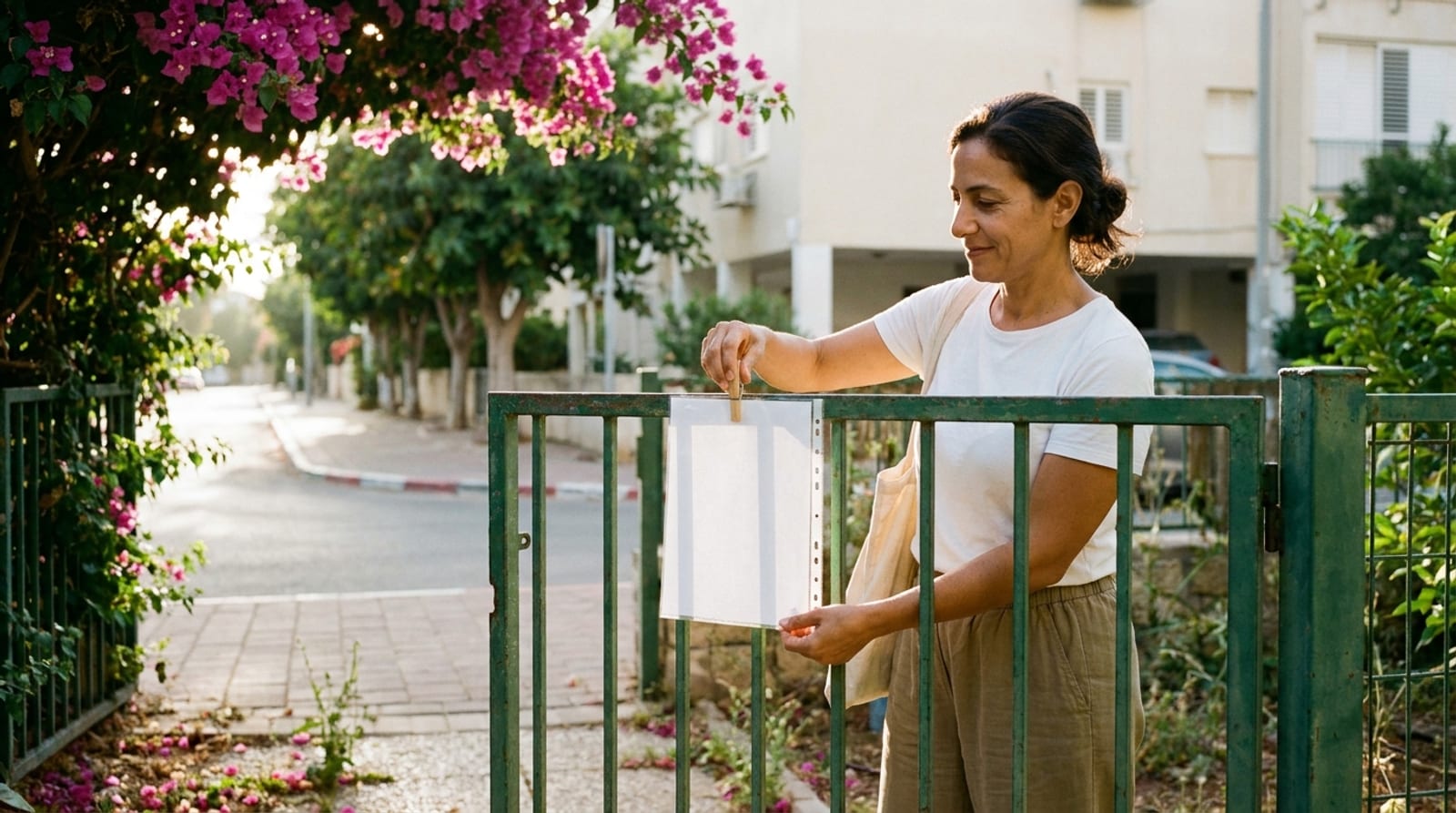
על המארגן לכנס את בעלי הדירות טרם חתימה על הסכם הארגון עם בעלי הדירות, ולהכריז על דבר הכנס ומועדו בהודעה שתוצג במקום בולט בבניין ולשלוח לבעלי הדירות לפי מענם הידוע, 7 ימים טרם קיום הכינוס.
בכינוס, המארגן יציג את עצמו וימסור את המידע הנדרש בחוק. זו הזדמנות מעולה לבחון את הפרמטרים השונים אצל המארגן כמו גם לנהל שיח סביב העקרונות החשובים לבעלי הדירות בפרויקט המבורך. בתום הכינוס יפורסם פרוטוקול הכינוס לבעלי הדירות.
בכינוס נדרשת נוכחות של לפחות 40% מבעלי הדירות בבניין. במקרים שבהם לא הייתה נוכחות של 40% (ובבניין 17 דירות לפחות), יש צורך בכינוס נוסף, ובלבד שבכינוס הראשון השתתפו לפחות 30% מבעלי הדירות, ובכינוס השני לפחות 20% מבעלי הדירות.
חתמתי עם מארגן ולא בא לי עליו. מה עושים?
כפי שראינו, למארגן אפשרות לחתום עם בעלי הדירות על הסכם נון-שופ אך לתקופה מוגבלת. בנוסף, החוק קובע אבני דרך שעל המארגן לעמוד בהן כדי שההתקשרות תישאר בתוקף ותשמר את מחויבותו בקידום עסקת התחדשות העירונית בבניין.
בשל כך, אם המארגן לא קידם את הפרויקט בהתאם לאבני הדרך, הנון-שופ יכול לפקוע, ללא זכות פיצוי למארגן, ובעלי הדירות יהיו רשאים לקדם את פרויקט ההתחדשות העירונית בעצמם או באמצעות מארגן או יזם אחר.
בכל אופן, כל התניה בנון-שופ על הוראות החוק שאינה לטובת בעלי הדירות בטלה.
מקדמים יחד ביעילות
השאלה העולה, מה קורה במקרים שבהם נעשתה התקשרות עם מארגן אשר לא פעל לשביעות רצונם של בעלי הדירות ולא רק בשל אי עמידה בלוחות הזמנים בחוק.
האם ניתן לבטל את ההתקשרות עמו? בעניין זה החוק שותק.
עסקת התחדשות עירונית מורכבת ונוגעת באחד המאפיינים החשובים ביותר בחיים, הבית שלכם. יתרה מזאת, הכח נמצא בידיים של בעלי הדירות. אתם בעלי הקרקע. אילולא הסכמתכם – לא ניתן להניע את הפרויקט. לכן, מומלץ שלא למהר לחתום על מסמכים שעלולים לסנדל אתכם בקידום ההתחדשות העירונית בבניין שלכם. השוו הצעות. קבלו המלצות. דברו עם שכנים, חברים ומשפחה שכבר עברו תהליך התחדשות עירונית ומרוצים ממנו ומהתוצאה.
הסכם נון-שופ סביר והוגן, הוא אינטרס משותף לבעלי הדירות ולמארגן. שיתוף פעולה של בעלי דירות עם מארגן מקצועי יכול להיות מבורך לקידום פרויקט התחדשות עירונית בהצלחה – כאשר הצדדים סומכים אחד על השני והתהליך נעשה בנאמנות ובשקיפות. עם זאת, בעלי הדירות לרוב אינם מודעים להשלכות ולמשמעויות ההסכם.
כדי להצליח לקדם פרויקט טוב ויעיל של התחדשות עירונית, מומלץ לבעלי הדירות למנות מטעמם עו"ד בתחילת התהליך, כדי שישמור על האינטרסים שלהם לפני חתימה על הסכם עם גורמים מעורבים.
המידע לעיל מהווה מידע ראשוני בלבד ואין הוא מהווה ייעוץ משפטי או תחליף לו ואין באמור לעיל בכדי להוות המלצה לנקיטת הליכים ו/או להימנעות מהם. מומלץ להיוועץ עם עו"ד העוסק בתחום בטרם נקיטת כל פעולה. למען הסר כל ספק, האחריות לכל תוצאה בשל הסתמכות על האמור לעיל תחול על המשתמש בלבד.
שאלה על הנושא הזה בתיק שלכם? כתבו לנו — נענה לגופו של עניין, לא בכלליות.
מקור מועדף מאפשר לכם לראות את המאמרים החדשים שלנו יותר ב“כתבות מובילות”, כשתחפשו שוב נושא מהתחום. וזו הזדמנות טובה גם לפרגן לנו.
הוספה כמקור מועדף ב-Google (נפתח בלשונית חדשה)
מידע כללי — לא ייעוץ משפטי.