רכישת נכס בישראל — כשאתם עוד בחו״ל
אתם שם. הבית כאן בישראל.
משרד עורכי דין שחובת האמון שלו נתונה לכם בלבד — מהרגע שמגדירים מה אתם בכלל מחפשים, דרך המס והמימון, ועד המפתח בידיים. באנגלית, בשעות שלכם.

״טוֹבָה הָאָרֶץ מְאֹד מְאֹד״
במדבר יד, זיש רגע שבו הנסיעה לישראל מפסיקה להיות ביקור.אצל אחד זה קורה בשוק ביום שישי בצהריים, אצל אחר כשהילד עונה לו בעברית בלי לחשוב על זה קודם.מאותו רגע מילה אחת מתחלפת בשיחות בבית: כבר לא ״מתי אנחנו טסים״ אלא ״מתי אנחנו חוזרים״. לרגע הזה אין תאריך ביומן.יש לו כתובת.קוראים לזה בית.רכישת דירה בישראל היא הרגע שבו הכתובת הזאת נרשמת על שמכם.
התפקיד שלנו מתחיל בדיוק שם: לספק לכם מעטפת בטוחה לצעד הכי טוב שעשיתם.

לחזור הביתה, בתנועה.
מהשאלה הראשונה בחו״ל ועד המפתח בירושלים — צוות בכיר אחד לצידכם, בכל צעד בדרך.
להתחיל בשיחהתשעה כללים לעסקה חוצת־גבולות.
כשאתם מחוץ לישראל והנכס כאן, אין מקום לאלתורים. אלו הכללים שאנחנו קובעים בכל עסקה מרחוק.
רשימה אחת לקבלן, אחת ליד שנייה
חוזה מכר של יזם נכתב מראש, לצד אחד, ומוצג כ״נוסח החברה״. הוא באמת נוסח החברה — והוא בר־שינוי, דרך נספח שינויים שמנוסח סעיף מול סעיף. משלמים בפריסה לאורך הבנייה ולא הכול במעמד החתימה, והמחיר לא ננעל מעצמו: ההצמדה למדד תשומות הבנייה היא סעיף שנידון במו״מ. אלו תשעת הכללים שאנחנו קובעים בעסקה כזו מרחוק:
גם ״טופס הרשמה״ הוא מסמך
אצל יזם החתימה הראשונה מגיעה לפני החוזה: טופס הרשמה, בקשת הקצאה, אישור מפרט. כל אחד מהם עובר אצלנו לפני שאתם חותמים — גם מה שמוצג כ״פורמלי בלבד״.
אישור באנגלית, חתימה בעברית
החוזה והמפרט הטכני מגיעים אליכם עם תמצית באנגלית, ואתם מאשרים אותה לפני החתימה. שום דבר לא נשען על ״הסוכן אמר״ או על שיחה עם משרד המכירות.
ייפוי כוח שנגמר עם העסקה
אימות נוטריוני או קונסולרי שיתקבל בישראל, סמכויות מוגדרות בצמצום — הדירה הזו, ההצהרות האלו — ותוקף שפג בסיום העסקה. חותמים מרחוק בלי לוותר על שליטה.
הכסף נוסע רק בשובר
כל תשלום יוצא בפנקס השוברים של הפרויקט, לחשבון הליווי שהבנק מפקח עליו. לא לחשבון של חברת הבנייה, לא לחשבון פרטי, ולא ״לחשבון אחר של אותה קבוצה״.
בטוחה על כל תשלום — ודירה שיצאה מהשעבוד
ערבות בנקאית או בטוחה שוות ערך לפי חוק המכר, על כל תשלום מעל 7% מהמחיר. לצידה מכתב החרגה מהבנק המלווה, שמוציא את הדירה שלכם מהשעבוד על הפרויקט.
מועד המסירה הוא תאריך בלוח שנה
״מועד מסירה משוער״ אינו ״מועד מסירה״. רק השני מפעיל את הפיצוי שבסעיף 5א לחוק המכר (דירות), בנוסחו אחרי תיקון 9 (2022): פיצוי על איחור, בלי הוכחת נזק. וזכות ההמחאה קובעת אם אפשר להעביר את החוזה לפני קבלת המפתח.
תמונת המס נסגרת לפני החתימה
מדרגת מס הרכישה שלכם — עולה, תושב חוץ, דירה יחידה — נקבעת לפי חלון הזכאות ולפי מי מבני הזוג רוכש, ואת זה סוגרים לפני העסקה, לא אחריה.
היזם הוא באמת היזם
מי הישות שחותמת מולכם — לא שם הקבוצה על השלט אלא החברה שבחוזה; אילו פרויקטים מסרה ומתי; ומי הבנק המלווה. את זה בודקים לפני שבודקים את הדירה.
מי עובד בשביל מי
עורך הדין של הפרויקט מקדם את העסקה מצד היזם. זה תפקידו. חובת נאמנות ומסירות כלפיכם, לפי סעיף 54 לחוק לשכת עורכי הדין, קיימת רק אצל עורך דין מטעמכם.
הכסף זז רק לאן שמותר
חוק המכר אוסר על מוכר לקבל יותר מ-7% ממחיר הדירה בלי בטוחה; בפרויקט מלווה המנגנון הוא פנקס שוברים — כל תשלום עובר בשובר ייעודי לחשבון הליווי, והבנק מנפיק ערבות כנגדו. העברה שנשלחה ״לחשבון של החברה״ לפי מייל, בלי שובר, היא כסף בלי בטוחה — וזה התרחיש שהכי קשה לתקן אחורה כשאתם על יבשת אחרת.
ביד שנייה אין נוסח חברה ואין ערבות חוק מכר. יש נכס שאתם רואים כמו שהוא — הבניין קיים, השכנים קיימים, והנוף מהמרפסת הוא לא הדמיה — ותזרים מהיום הראשון, בלי שנות בנייה שמשלמים בהן ולא מקבלים שכירות. ויש חוזה שבו כל הגנה נבנית ידנית. אלו תשעת הכללים שבונים אותה:
כל גרסה נקראת, לא רק הראשונה
טופס של מתווך, ״הצעה״ בכתב, זיכרון דברים — כולם עוברים אצלנו לפני החתימה. וביד שנייה החוזה ממשיך לזוז: כל טיוטה חוזרת לקריאה, כולל מה שהשתנה ולא סומן.
מבינים באנגלית לפני שחותמים בעברית
כל גרסה מהותית מגיעה עם תמצית באנגלית, ובה גם מה השתנה מהגרסה שלפניה. אתם מאשרים את התמצית לפני החתימה — לא את מה שנאמר בשיחה עם המתווך.
ייפוי כוח — לשני הכיוונים
אחד לחתימה מרחוק, ואחד שהצד השני מבקש לרישום. שניהם עוברים אימות נוטריוני או קונסולרי שיתקבל בישראל, ונקראים כמו חוזה: מה הם מתירים, למי ועד מתי.
הכסף יושב בנאמנות עד שהתנאים נסגרו
התשלומים נכנסים לחשבון נאמנות ומשוחררים רק מול תנאים שנקבעו מראש: הערת האזהרה נרשמה לטובתכם, השעבודים נמחקים. עד אז, אף שקל לא עובר לחשבון פרטי.
אין ערבות חוק מכר — ולכן מכתב הכוונות הוא הבטוחה
ביד שנייה אין ערבות בנקאית, ולכן הסדר הפוך: המשכנתה של המוכר מסולקת מול מכתב כוונות בתוקף מהבנק שלו, שנוקב בסכום ובחשבון — והתשלום יוצא לשם, לא לכיס פרטי.
הערת אזהרה — מיד, לא ״אחר כך״
נרשמת לטובתכם סמוך לחתימה, ולא אחרי שהכסף כבר זז. זו הרשומה שחוסמת עסקה נוגדת על אותו נכס, והיא הדבר הראשון שנסגר אחרי החתימה.
את מדרגת המס קובעים מראש
עסקת יד שנייה זזה מהר, ולכן את תמונת המס סוגרים לפני שמתחייבים: הזכאות להטבת מס הרכישה לעולים והחלון שלה, מי מבני הזוג רוכש, ומה נכתב בהצהרה.
מי חותם מולכם, ובאיזו זכות
עסקאות מרחוק הן יעד מועדף להתחזות. מאמתים זהות, שהזכות רשומה על שם המוכר, ואם יש יורשים או מיופה כוח — שהמסמך שמסמיך אותם תקף. לפני שמתקדמים סעיף אחד.
הנסח נקרא עד השורה האחרונה
חכירה במקום בעלות, זכויות שלא נרשמו, חריגות בנייה, ירושה שלא הוסדרה — הכול נמצא בנסח הטאבו, אם קוראים אותו עד הסוף. הנסח הוא המסמך שמספר את האמת.
הכסף זז רק אחרי שהתנאי התקיים
ביד שנייה אין ערבות חוק מכר, ולכן כל תשלום מוגן במשהו אחר. התשלומים יושבים בנאמנות ומשתחררים מול תנאי שנקבע להם מראש — הערת האזהרה שנרשמה לטובתכם, ואחריה סילוק המשכנתה. את התשלום שסוגר את המשכנתה, בעסקת יד שנייה רגילה זה בדרך כלל התשלום השני, פותח תנאי משלו: מכתב כוונות בתוקף מהבנק של המוכר, שנוקב בסכום שסוגר את המשכנתה ובחשבון שאליו הוא נכנס. יצא הכסף לפני שמכתב כוונות בתוקף בידכם, המשכנתה נשארת רשומה על הדירה שקניתם.
עסקה מרחוק, סגורה מקצה לקצה
צוות משפטי אחד מחזיק את כל השרשרת — מהשיחה הראשונה ועד המפתח בידיים — ואתם בכל צומת החלטה, באנגלית, בשעות שנוחות לכם. אתם לא מנהלים לבד עסקה מעבר לים; אנחנו מנהלים, אתם מחליטים.
חובת הנאמנות שלנו קבועה בחוק ונתונה לכם בלבד — הבדיקה, המו״מ והעצה ניתנים מנקודת מבט אחת: שלכם.
אותו עורך דין — מהשאלה הראשונה ועד המפתח.
התיאום בין כולם הוא לא העבודה שלכם. הוא העבודה שלנו. וכדי שזה לא יישאר משפט יפה, הנה מה שהוא אומר לפי סדר הזמן.
איך קונים דירה בישראל מחו״ל? בשמונה שלבים — מהגדרת המטרה, דרך הבדיקות, המשא ומתן, החתימה מרחוק והכסף, ועד הדיווח, הרישום המלא על שמכם והשנים שאחרי המפתח.
01לפני שרואים נכס
מגדירים בכתב מה המטרה — מגורים, השכרה עד המעבר, או נכס לדור הבא — וסוגרים את תמונת המס והמעמד מולה. מי מבני הזוג רוכש, ובאיזה תזמון ביחס לעלייה, נקבע כאן ולא בסוף.
02מי באמת מוכר, ומה באמת רשוםהתוצר: קריאת הנכס והזכויות — ומי באמת עומד בצד השני
נסח טאבו, זהות הבעלים הרשומים, שעבודים, עיקולים, הערות, זכויות בנייה, ובעסקת יזם — מי הישות המתקשרת ומי הבנק המלווה.
התוצר: קריאת הנכס והזכויות — ומי באמת עומד בצד השני
03המשא ומתןהתוצר: מו״מ על ההסכם ונספח השינויים לפי הקווים האדומים שלנו
חוזה או נספח שינויים שנכתב סעיף מול סעיף: בטוחות, לוח תשלומים, מועד מסירה, הצמדה, מנגנון ליקויים ותנאים מתלים.
התוצר: מו״מ על ההסכם ונספח השינויים לפי הקווים האדומים שלנו
04החתימה מרחוקהתוצר: ייפוי כוח נוטריוני או קונסולרי וניהול החתימות מרחוק
ייפוי כוח נוטריוני שנבנה לעמוד ברישום, בסמכויות מוגדרות בצמצום, מול נציג קונסולרי או נוטריון מקומי עם אפוסטיל — ותמצית באנגלית של כל מסמך מהותי לאישורכם לפני החתימה.
התוצר: ייפוי כוח נוטריוני או קונסולרי וניהול החתימות מרחוק
05הכסף יוצא רק כשהתנאי שלו התקייםהתוצר: הערת אזהרה, ליווי התשלומים ומכתבי ההחרגה
חשבון נאמנות, פנקס שוברים לחשבון הליווי בעסקת יזם, תיאום מול הבנק על מקור הכספים, ותשלומים שיוצאים רק כשהתנאי שקדם להם התקיים.
התוצר: הערת אזהרה, ליווי התשלומים ומכתבי ההחרגה
06הדיווח לרשויותהתוצר: דיווחי מיסוי מקרקעין במעמד עולה או תושב חוץ — במועד
הצהרות מס רכישה ומיסוי מקרקעין במועד, מול המעמד שנקבע בשלב הראשון.
התוצר: דיווחי מיסוי מקרקעין במעמד עולה או תושב חוץ — במועד
07הרישום הוא חובת היזם — ואנחנו עומדים עליההתוצר: עמידה על חובת הרישום של היזם — וחיבור למימון ולניהול הנכס
הערת אזהרה סמוך לחתימה, ואחריה מעקב עד שהזכויות נרשמות בפועל. חוק המכר מטיל את הרישום על היזם, ואנחנו לא נותנים לזה להיעצר ב״עד שיהיה בית משותף״.
התוצר: עמידה על חובת הרישום של היזם — וחיבור למימון ולניהול הנכס
08אחרי המפתח
תקופת הבדק מול הקבלן, מסמכי המסירה, ובחירת מסלול המס על ההשכרה מדי שנה.
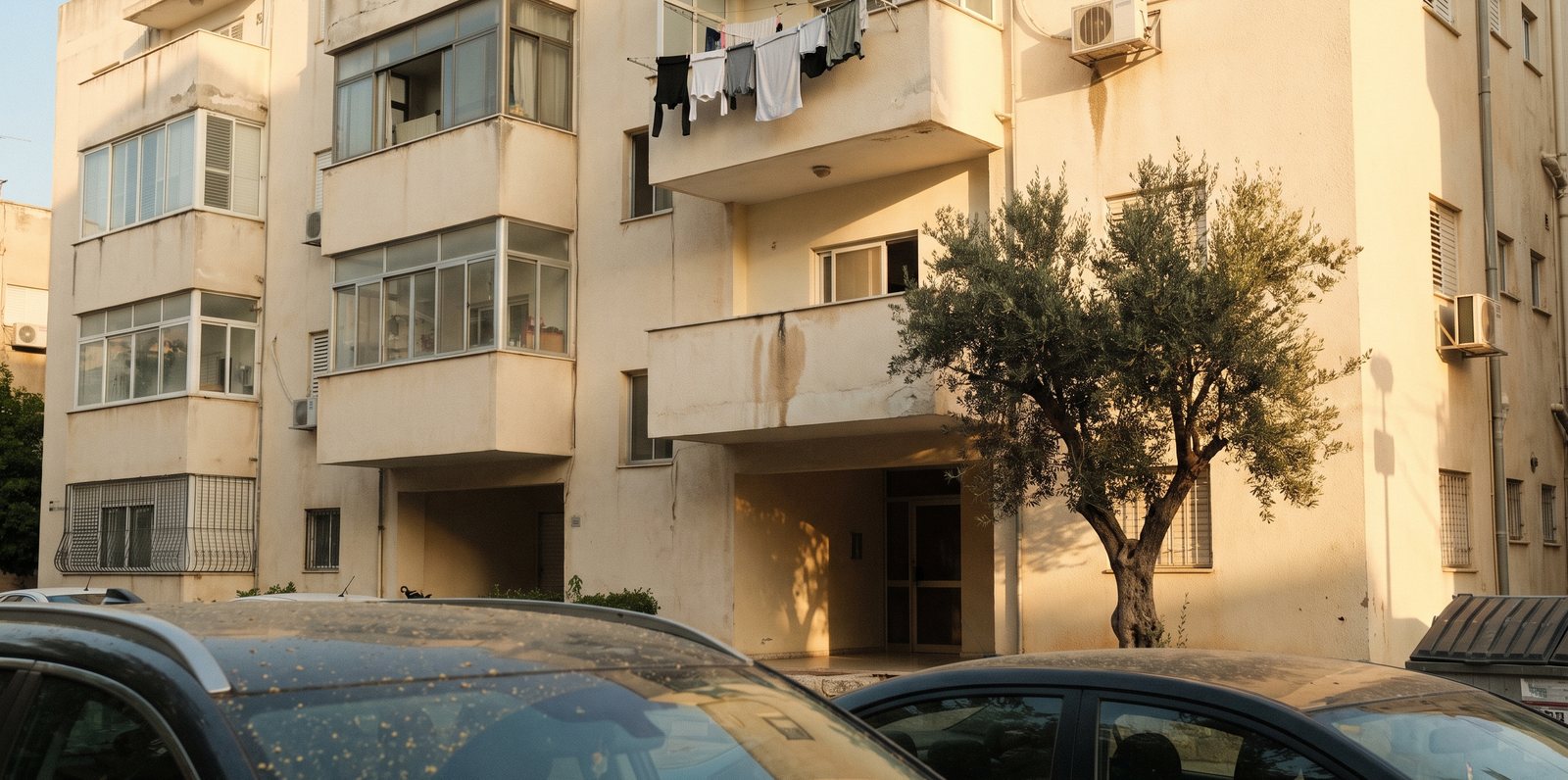
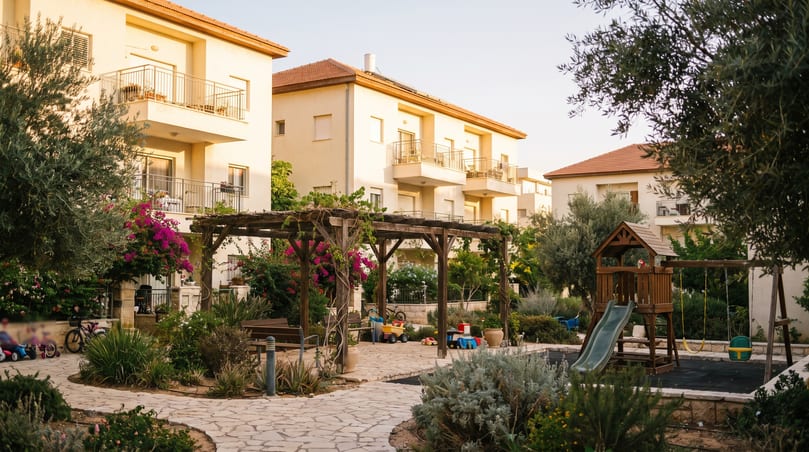

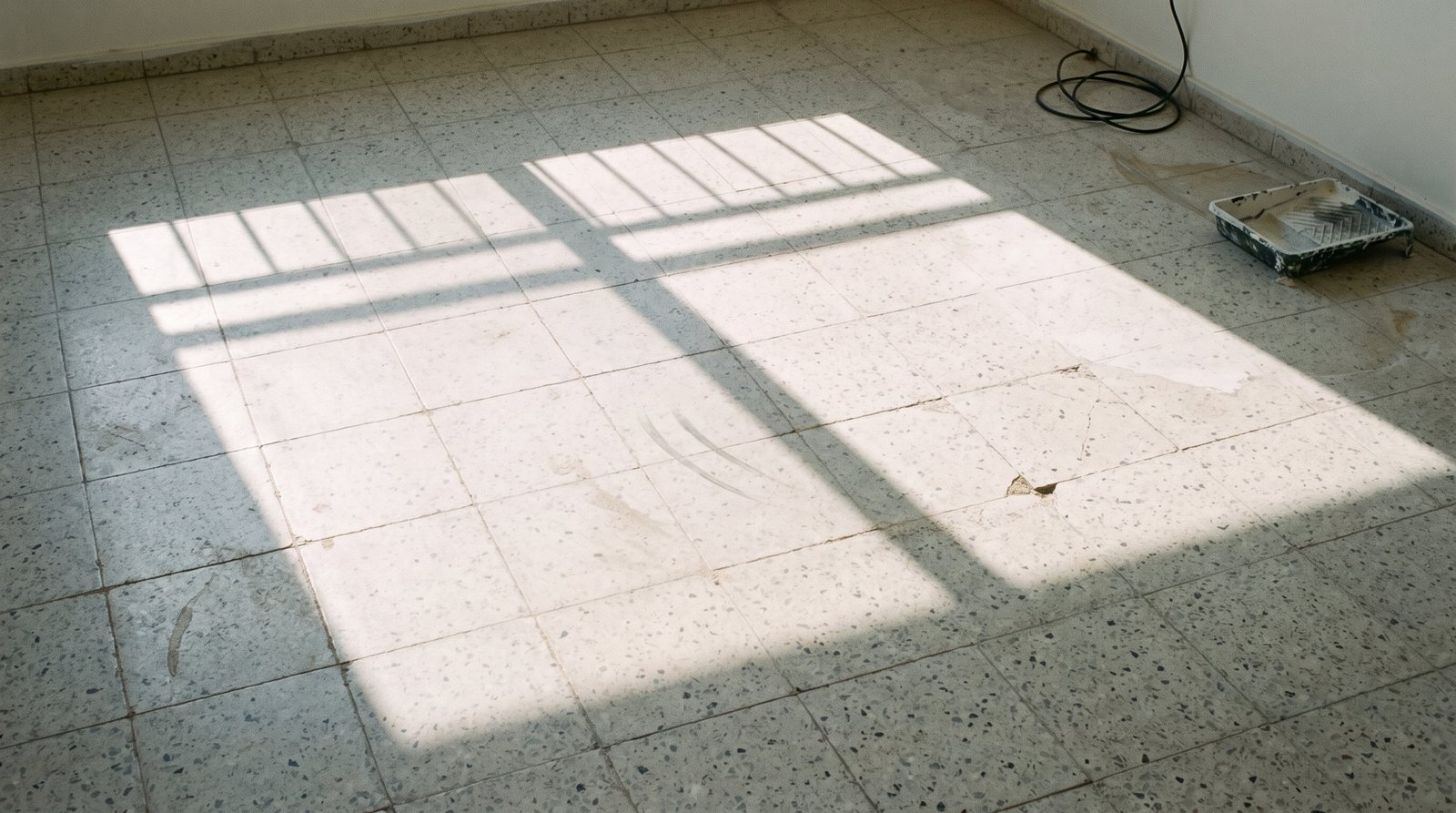
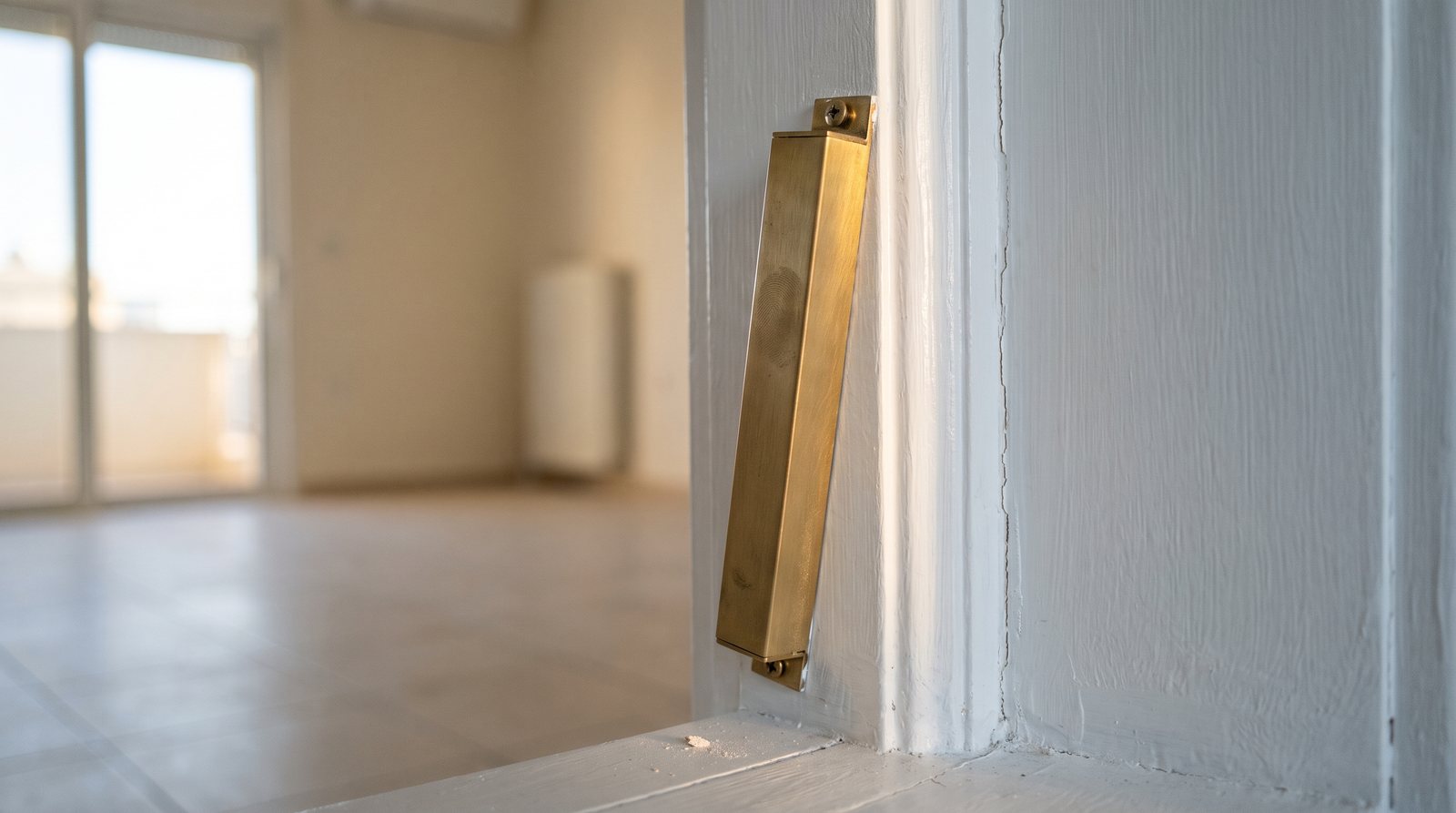
מה אנחנו בודקים כשאתם לא כאן.
בזמן שמישהו מטעמנו עומד על הריצוף בשבילכם, מה שאפשר לבדוק מהנייר כבר סגור: מנסח הטאבו ידוע אילו שעבודים ועיקולים רובצים על הנכס ומה מהם חייב להימחק לפני שאתם משלמים; מסמכי איסור הלבנת ההון ומקור הכספים מוכנים לפני שההעברה הראשונה יוצאת; ומעמד המס שלכם, עולה הזכאי להטבת מס הרכישה לעולים או תושב חוץ, נקבע מראש. שתי הבדיקות שנשארו הן היחידות שאי אפשר לעשות מרחוק.
היתר, תכנון וסביבה
מה בנוי כדין, מה מתוכנן ממול ומה צפוי להשתנות — לפני שמתאהבים בנוף מהמרפסת.
הנכס עצמו, בשטח
חיבור לאנשי מקצוע שיבקרו, יבדקו ויתעדו על הקרקע — כי תמונות ששלח מוכר הן לא בדיקה.
לא רק ההגנה המשפטית. המעטפת כולה.
את מי שצריך להיות סביב העסקה — אנשי המימון, ומי שינהל את הנכס אחר כך — אנחנו בוחרים ומתאמים בעצמנו.
ההזדמנות הנכונה — במבחן לחץ
אנחנו מאתרים ובוחנים עבורכם את ההזדמנות הנכונה — לרבות דרך קבוצות הרוכשים שאנחנו מובילים — וקוראים איפה יושב הערך האמיתי ואיפה הסיכון האמיתי, עם הבנה פנימית של התחדשות עירונית ותכנון.

שום דבר שדורש אמון שאי אפשר לאמת
טאבו ורישום, חוזים, ערבויות בנקאיות, הגנות סטטוטוריות — נעולים בכל שלב, כך שהמערכת מגנה עליכם במקום להפתיע.

הון שמובנה למערכת זרה
אנחנו מתאמים אנשי מימון חוצי-גבולות אמינים שיבנו את המשכנתא וההון שלכם — מותאם להכנסה זרה ולכללים בישראל.
בעלות ללא טרחה, לשנים שאחרי
כשצריך, אנחנו מתאמים מפעילי נכס וליווי מתמשך — ומעמידים גם מתווכים, למי שרוצה שהנכס יניב. כך בעלות מרחוק נשארת קלה.
לתמונה הרחבה — איתור הזדמנויות, מימון חוצה־גבולות וניהול הנכס
כוח קנייה של קבוצה — ואנחנו מובילים אותה.
קבוצה שמגיעה ליזם ביחד מנהלת משא ומתן אחר לגמרי מרוכש בודד. את הקבוצות האלו אנחנו מובילים. משם מגיעים התנאים המסחריים והמשפטיים שאי אפשר לקבל לבד. ואת המבנה שבו הקבוצה נכנסת אנחנו סוגרים לפני החתימה, כי הוא שקובע את מס הרכישה — וההפרש נמדד במאות אלפי שקלים.
הזדמנויות יושבות על המפה. כוח קנייה יושב בקבוצה.
את הבחירה איפה לגור קובעים בית ספר, בית כנסת, מרחק מהמשפחה ושעת נסיעה לעבודה. מה שכן שימושי לפני שמצמצמים את המפה: מה מחזיק כל מקום, ומי כבר גר שם.
נתניה
קהילה צרפתית גדולה, שירותים בצרפתית וטיילת חוף ארוכה
רעננה
קהילה אנגלו ותיקה במיוחד, עיר גנים שקטה במרכז הארץ
פתח תקווה
המרכז הרפואי רבין, קהילות דתיות מבוססות וקצה צפוני של הקו האדום
תל אביב
מרכז עסקים וחיים עירוניים צפופים, עם הים בקצה כל רחוב
בת ים
חוף עירוני ותחנת קצה של הקו האדום של הרכבת הקלה
רחובות
מכון ויצמן והפקולטה לחקלאות, קהילה דוברת אנגלית ותיקה
ירושלים
בירה, מרכז חיים יהודי, וקהילות אנגלו ותיקות בכל שכונה כמעט
אשדוד
נמל ישראל הגדול, חוף ארוך וקהילות צרפתית ואנגלו לצד קהילות ותיקות
קריית גת
עוגן תעשיית שבבים, ותחנת רכבת על הציר תל אביב–באר שבע
נתיבות
עיר בנגב המערבי עם ציון הבבא סאלי וקהילה דתית מגובשת
המפה כאן להתמצאות בלבד. בכל אחת מהערים האלה — ובערים נוספות — יש מה לעשות; מה שנכון עבורכם תלוי בתקציב, בקהילה, בשלב החיים ובמה שאתם מחפשים. את זה סוגרים בשיחה, לא בקטלוג.
לברר מה פתוח עבורכםארבעה נושאים שנסגרים לפני החתימה, לא אחריה.
מדריכים מלאים, כל אחד בעמוד משלו.


מה ששואלים אותנו מעבר לים
איך מעבירים כסף מחו״ל בלי שהוא ייתקע?
הבנקים בישראל מחויבים בבדיקות מקור כספים והלבנת הון, והעברה לא מוכנה יכולה לעכב עסקה שלמה. אנחנו מכינים את התיעוד מראש ומתאמים מול הבנקים משני הצדדים — והכסף נכנס רק ליעד מוגן: חשבון ליווי או נאמנות.
היזם מציע שעורך הדין שלו ״יסגור הכול״. למה לא?
כי הוא מייצג את היזם. את שכר טרחתו אתם אמנם משלמים לפי חוק, אבל תפקידו מוגבל לרישום — הוא לא שם בשבילכם. את ההצמדה, הבטוחות ומועד המסירה שלכם צריך לנהל מי שחובת הנאמנות שלו נתונה רק לכם.
מה קורה אחרי המפתח?
החלק שבו רוב הליווי נגמר — ואצלנו לא: הרישום עצמו הוא חובה של היזם לפי חוק המכר, ואנחנו אלו שעומדים עליה; ליווי מול היזם בתקופת הבדק; וחיבור לניהול והשכרה — כך שהנכס מטופל ומניב גם כשאתם בחו״ל.
אפשר לקנות עוד לפני שעלינו?
כן, אפשר לקנות עוד לפני העלייה, וזו לא פרצה — זה מה שהתקנות אומרות. חלון הזכאות להטבת מס הרכישה לעולים נפתח שנה לפני הכניסה הראשונה לישראל ונמשך שבע שנים אחריה, כך שרכישה מוקדמת אינה מוציאה אתכם מהמדרגות המיטיבות. מה שכן משתנה הוא הצד המעשי: מימון, ניהול הנכס עד המעבר, ומי חותם. את הרכישה מתזמנים מול תאריך העלייה המתוכנן, לא במקומו.
כמה מס רכישה נשלם — ומה ההבדל בין עולה לתושב חוץ?
על דירת מגורים יחידה, עולה זכאי למדרגות של 0% עד 1,978,745 ₪, 0.5% עד 6,055,070 ₪ ו-8% מעליהם, עד תקרת שווי של 20,183,565 ₪. תושב חוץ שרוכש דירה שאינה יחידה עבורו משלם 8% מהשקל הראשון ו-10% מעל 6,055,070 ₪. על נכס עסקי ההטבה נפרדת: 0.5% עד 1,988,090 ₪ ו-5% מעליהם. ההטבה ניתנת פעם אחת לדירת מגורים ופעם אחת לנכס עסקי, ומאז 15.8.2024 היא הוגבלה לדירה המיועדת למגורי העולה עצמו. הסכומים מוקפאים עד 15.1.2028.
קנינו כתושבי חוץ ורק אחר כך עלינו. אפשר לתקן את המס אחורה?
יש מנגנון בדיוק לזה. סעיף 9(ג1ג)(4)(ב) לחוק מיסוי מקרקעין קובע שרוכש ייחשב תושב ישראל אם הפך לתושב ישראל לראשונה, או לתושב חוזר ותיק, בתוך שנתיים ממועד הרכישה. כלומר מי שקונה היום מתכנן מול חלון השנתיים הזה — וזה שיקול שנכנס לתאריך החתימה עצמו, לא למה שקורה אחריו.
אפשר לקבל משכנתא בישראל כשאנחנו עוד גרים בחו״ל?
אפשר, והשאלה המכריעה היא לא ההכנסה — היא האזרחות. הוראת ניהול בנקאי תקין 329 של בנק ישראל מגבילה מימון לרכישת ״דירה להשקעה״ ל-50% משווי הנכס, ולעומתה ״דירה יחידה״ ל-75%. ההגדרה של דירה יחידה בהוראה מדברת על נכס הנרכש בידי יחיד אזרח ישראלי, ו״תושב חוץ״ מוגדר שם כמי שאינו אזרח ישראלי. בפועל: אותה דירה יכולה לדרוש מכם 50% הון עצמי או 25%, לפי המעמד במועד ההתקשרות. עולה שקיבל אזרחות עם העלייה נמצא בצד השני של הקו הזה. מעבר לכך, כל בנק מוסיף מדיניות פנימית משלו לגבי הכנסה מחו״ל ותיעוד.
צריך נוטריון כדי לקנות דירה בישראל?
לא, בישראל עסקת המכר עצמה לא נחתמת בפני נוטריון, ומי ששומר עליה הוא עורך הדין שלכם. לנוטריון יש תפקיד כשחותמים מחו״ל באמצעות ייפוי כוח: את החתימה עליו מאמתים מול נציג קונסולרי ישראלי, שמוסמך לפעול כנוטריון מחוץ לישראל, או מול נוטריון מקומי בתוספת אפוסטיל. השאלה הבאה מסבירה איך.
חייבים לטוס לישראל כדי לחתום?
לא, בתנאי שייפוי הכוח נערך ומאומת נכון. מחו״ל מאמתים את החתימה מול נציג קונסולרי ישראלי, שמוסמך לפעול כנוטריון מחוץ לישראל, או מול נוטריון מקומי בתוספת אפוסטיל. שימו לב לשני דברים. תור בקונסוליה נקבע מראש, ולפעמים מחכים לו שבועות, ואפוסטיל מוסיף עוד סבב. ואת הסמכויות בייפוי הכוח מגדירים בצמצום, עם תוקף שנגמר בסיום העסקה.
ומה אם בסוף לא נעלה? מה קורה למס?
הטבת מס הרכישה לעולים נשענת על מעמד עולה בפועל, לא על כוונה. מי שרכש בהסתמך על המעמד ולא השלים את העלייה בתוך חלון הזכאות חשוף לבחינה מחדש של השומה — כלומר להפרש שבין המדרגות המיטיבות למדרגות שחלות על רוכש אחר, בתוספת הפרשי הצמדה וריבית. המנגנון המדויק והמועדים משתנים לפי נסיבות התיק, ולכן זו בדיוק השאלה שסוגרים מול רשות המסים לפני החתימה ולא אחריה. בפועל, אצל מי שקנה מוקדם מדי ובלי מיפוי, זה התרחיש הכי יקר בעמוד הזה.
נשכיר את הדירה עד שנעבור. איך זה ממוסה?
בדין הישראלי יש שלושה מסלולים להכנסה משכר דירה למגורים, והבחירה ביניהם נעשית מחדש בכל שנת מס. מסלול הפטור: הכנסה חודשית עד 5,654 ₪ (2026) פטורה, ומעליה הפטור נשחק עד שנעלם ב-11,308 ₪. מסלול 10%: מס בשיעור קבוע על מלוא ההכנסה, בלי ניכוי הוצאות. ומסלול המס השולי, שבו מנכים הוצאות ופחת. תחולת מסלול הפטור על תושב חוץ אינה חד־משמעית ותלויה בנסיבות — לתושבי חוץ המסלול המעשי הוא לרוב 10%. בכל מקרה יש חובת דיווח, וגם שוכר עשוי להיות חייב בניכוי מס במקור. את הבחירה עושים עם רואה חשבון, מראש.
צריך חשבון בנק ישראלי כדי לקנות?
לרכישה עצמה לא תמיד, אבל למעשה כמעט תמיד תרצו אחד — לתשלומי מס, ועד בית, ארנונה, חשבונות והכנסה משכירות. מה שחשוב לדעת מראש הוא הצד של איסור הלבנת הון: העברת סכומים גדולים מחו״ל מחייבת תיעוד מסודר של מקור הכספים, והבנק בישראל בודק את זה ברצינות. העברה שיוצאת בלי הכנה יכולה להיתקע ימים ולעכב תשלום חוזי שיש לו תאריך. הדרישות המדויקות ומשך פתיחת החשבון שונים מבנק לבנק ומשתנים מעת לעת. הכלל המעשי: מתחילים לטפל בכסף לפני שמתחילים לטפל בחוזה.
אנחנו חיים בחו״ל ויש לנו צוואה שם. מה קורה לדירה בישראל?
הכלל הבסיסי בסעיף 137 לחוק הירושה הוא שעל הירושה חל דין מושבו של המוריש בשעת מותו. אלא שסעיף 138 קובע חריג לנכסים שעוברים בירושה לפי דין מקומם — ומקרקעין בישראל נכנסים לשם. במקביל, סעיף 136 מקנה לבית משפט בישראל סמכות לדון בירושתו של אדם שהניח נכסים בישראל, גם אם מקום מושבו היה בחו״ל. התוצאה המעשית: צוואה אמריקאית או צרפתית לא מייתרת הליך בישראל לגבי הדירה. שתי נחמות: מס עיזבון בוטל בישראל ב-1981 ולא הוחזר, וסעיף 4 לחוק מיסוי מקרקעין קובע במפורש שהורשה אינה מכירה — כלומר עצם המעבר ליורשים אינו אירוע מס.
מה ההבדל בין עולה חדש לתושב חוזר?
אלו שני מעמדות שונים בשני חוקים שונים, וזה בלבול נפוץ ויקר. הטבת מס הרכישה לעולים שמורה למי שנכנס לישראל במעמד עולה או ברישיון לישיבת ארעי מסוג א/1 — תושב חוזר אינו נכנס לתוכה. במס הכנסה התמונה הפוכה: סעיף 14 לפקודה משווה בין מי שהיה לתושב ישראל לראשונה לבין ״תושב חוזר ותיק״ — מי שחזר אחרי עשר שנים רצופות בחו״ל — ופוטר את שניהם ממס על הכנסות שהופקו מחוץ לישראל למשך עשר שנים.
שיחה עם עורך דין מקרקעין, בשלב שבו אתם נמצאים.
דירה שאתם קונים או מוכרים, בניין שנכנס להתחדשות, או חוזה שמחכה להחלטה. משאירים שם וטלפון, ואנחנו חוזרים אליכם לשיחה עם עורך דין בכיר מהצוות: שומעים אתכם, ואומרים מה השלב הבא — גם כשהוא לא אצלנו.