בין היתר, מענה לגידול האוכלוסייה, שטח קרקע מוגבל, מצוקת הדיור ועלויות גבוהות, מתחמי מגורים ישנים ולא מתוחזקים, מבנים ללא מיגון למלחמה ואסונות טבע, תשתיות מיושנות, צורך באינטגרציה חברתית ועוד.
אז למה התחדשות עירונית כדאית?
דירה חדשה* וגדולה בפרויקט התחדשות עירונית
- אחד התמריצים המשמעותיים ביותר לתהליך ההתחדשות העירונית הוא השבחת תנאי הדיור באמצעות דירות חדשות לדיירים קיימים.
- בנוסף למרחבי המגורים החדשים, הדיירים נהנים לרוב לשטח גדול ומרווח יותר לדירות החדשות.
- יתרה מכך, מפרט הדירה לרוב יכלול פונקציות נוספות כגון: חדר ממ"ד, מרפסת, מעלית, מחסן, לובי חדשני, חניה ועוד.
- יוזמות התחדשות עירונית נותנות עדיפות לרווחת ושביעות רצון הדיירים הקיימים, מספקות להם שירותים משודרגים, נוחות, איכות חיים והמשכיות בתוך הקהילה.
*במסלול החיזוק של הבניין הבודד (היום חלופת שקד, שהחליפה את תמ”א 38) נהנים בעלי הדירות מתוספת לדירה, דוגמת ממ"ד, מרפסת, מעלית וכו’.
בעלי הדירות בבניין ישן, זו הזמנה מיוחדת עבורכם להכיר את השלבים בדרך לדירה החדשה שלכם באמצעות פרויקט התחדשות עירונית. אנחנו כבר בשלב מתקדם של התהליך. בואו לעקוב
רוצים לדעת איך מניעים את ההליך ממש מההתחלה? מוזמנים לקרוא את סדרת השלבים בבלוג, החל מהמאמר על הרוב הדרוש מבעלי הדירות.
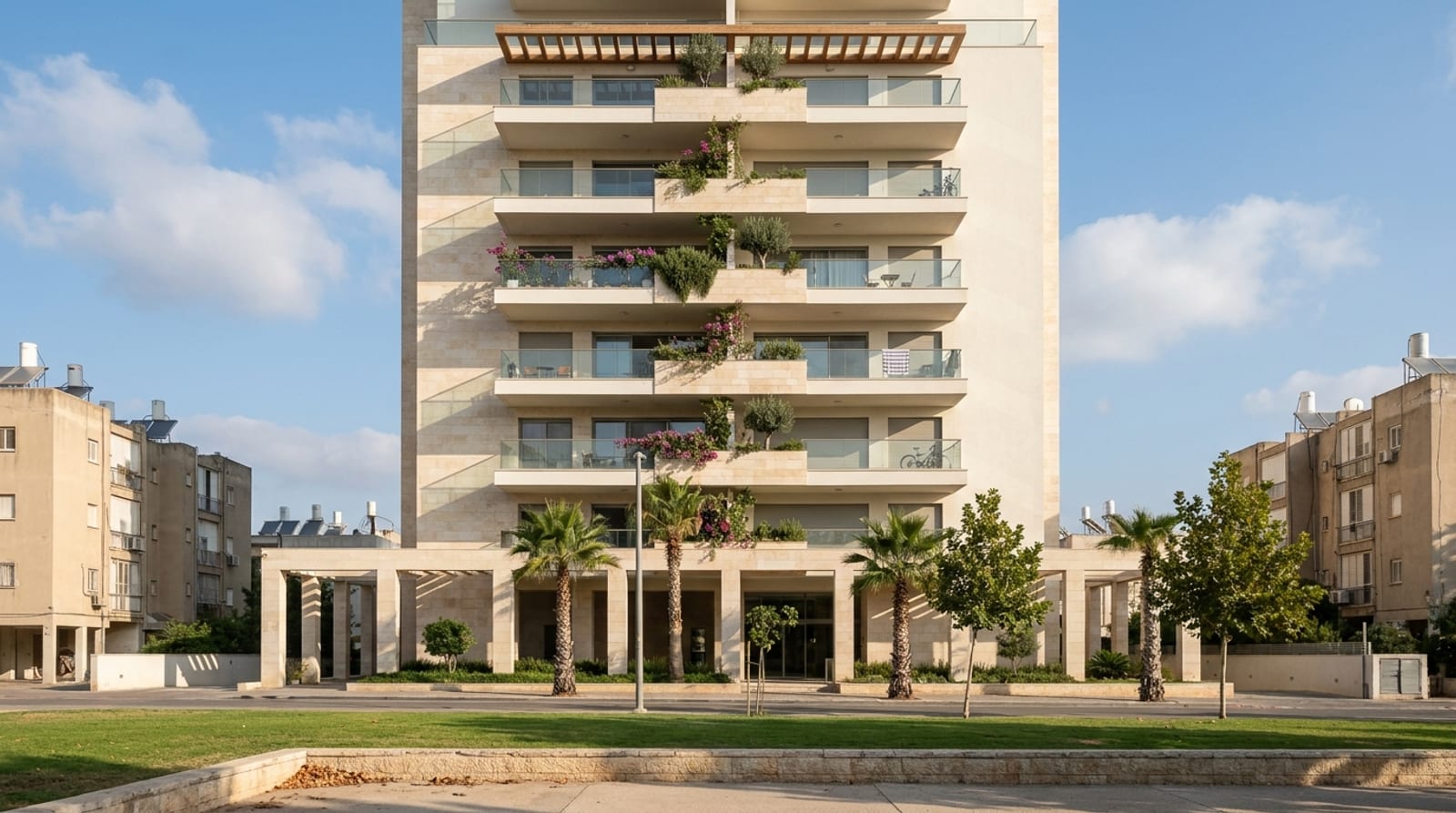
התחדשות עירונית כמוכנות לחירום – מיגון בתים למלחמה ואסונות טבע
- להתחדשות עירונית תפקיד חיוני בהגברת המוכנות לחירום ובהגנה על הבית בעת מלחמה ואסונות טבע. בין היתר, חיזוק, מיגון מבנים והוספת ממ"דים לעמידה בפני איומים דוגמת התקפות טילים או רעידות אדמה.
- התקנה/שיפור מערכות תקשורת, כגון מערכות התרעה מתקדמות ורשתות תקשורת לשעת חירום, המאפשרות הפצה בזמן חירום של מידע והנחיות לתושבים.
- בניית חוסן קהילתי. שכונות וקהילות יכולים לשתף פעולה בתוכניות היערכות לשעת חירום, נהלי פינוי ואסטרטגיות תגובה לאסון. מאמץ קולקטיבי זה מחזק את יכולת הקהילה להגן על בתים ותמיכה הדדית בזמנים מאתגרים.
- הנגשת שירותי חירום. הקמת תחנות כיבוי אש, תחנות משטרה ומתקנים רפואיים במיקום אסטרטגי ונגיש, ומאפשרים מענה מהיר וסיוע בעת חירום.
- שילוב פארקים ושטחים ירוקים ופתוחים. מרחבים אלו לא רק תורמים לרווחתם הכללית של התושבים אלא גם משמשים כנקודות מפגש בשעת חירום, מקלטים זמניים או מרכזי הפצה לאספקה חיונית.
למעשה, התחדשות עירונית מקדמת מוכנות לחירום בגישה פרואקטיבית המסייעת בתכנון לחירום, ביישום אמצעים למיגון, ובהבטחה שהבתים והקהילות ערוכים היטב לכל אירוע. השקעה כדאית לביטחון ורווחת התושבים.
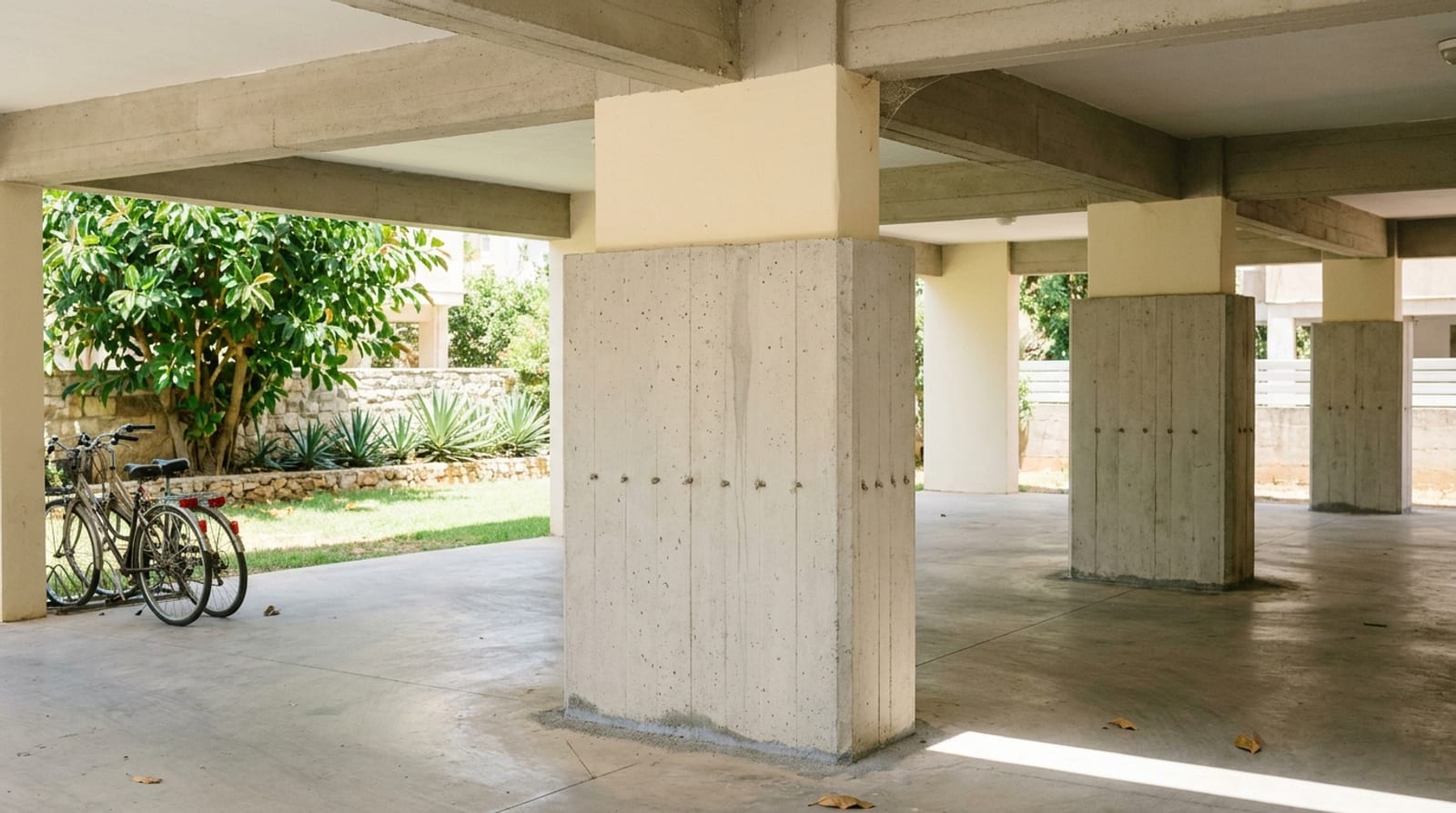
עליית ערך הדירה בפרויקט התחדשות עירונית
- תמריץ נוסף ומהותי בקידום תהליך התחדשות עירונית הוא עליית ערך הדירות המתחדשות. דירות בבניינים ישנים ללא ממ"ד, מרפסת ולעיתים אף ללא מעלית, חניה, מחסן וכיו"ב, נמכרות במחירים נמוכים משמעותית מדירות בבניינים חדשים או כאלו שעברו התחדשות עירונית וסמוכים להן.
- לרוב, מחיר הדירות עולה כבר בבדיקת ההיתכנות להתחדשות עירונית. ואם פוטנציאל להתחדשות עירונית מספיק כדי להעלות את מחירי הדירות בעשרות אחוזים, הרי שקבלת היתר בנייה מזניקה אותם במאות אחוזים. (לחוששים ללוחות הזמנים – יש תוכנית חדשה לרישוי מהיר שאושרה*).
- בתום הפרויקט, דירות רבות אף מכפילות את שָׁוְיָן. כך גם בעלי דירות המעוניינים לעבור לאזור או עיר אחרת, אך עקב עליות המחיר הדיור החדות שחווינו בשנים האחרונות ידם אינה משגת לכך, נהנים מהכפלת שווי דירתם והזדמנויות חדשות.
- גם משקיעים נהנים מהתחדשות עירונית. מחד, בתקופת הבינוי יהיו זכאים לדמי שכירות ללא הצורך להתנהל מול שוכרים. ומאידך, בגמר הבנייה, מהשבחת ועליית שווי הנכס, וכן מההזדמנות להניב שכר דירה ותשואה גבוהים יותר בנכס חדש ופונקציונלי.
*ראיתם את המאמר שלנו על תוכנית הרישוי המהיר, "תכנית פלוס היתר", לפרויקטים של פינוי-בינוי? בואו להכיר מקרוב. קיצור של שנים לתהליך ההתחדשות העירונית!
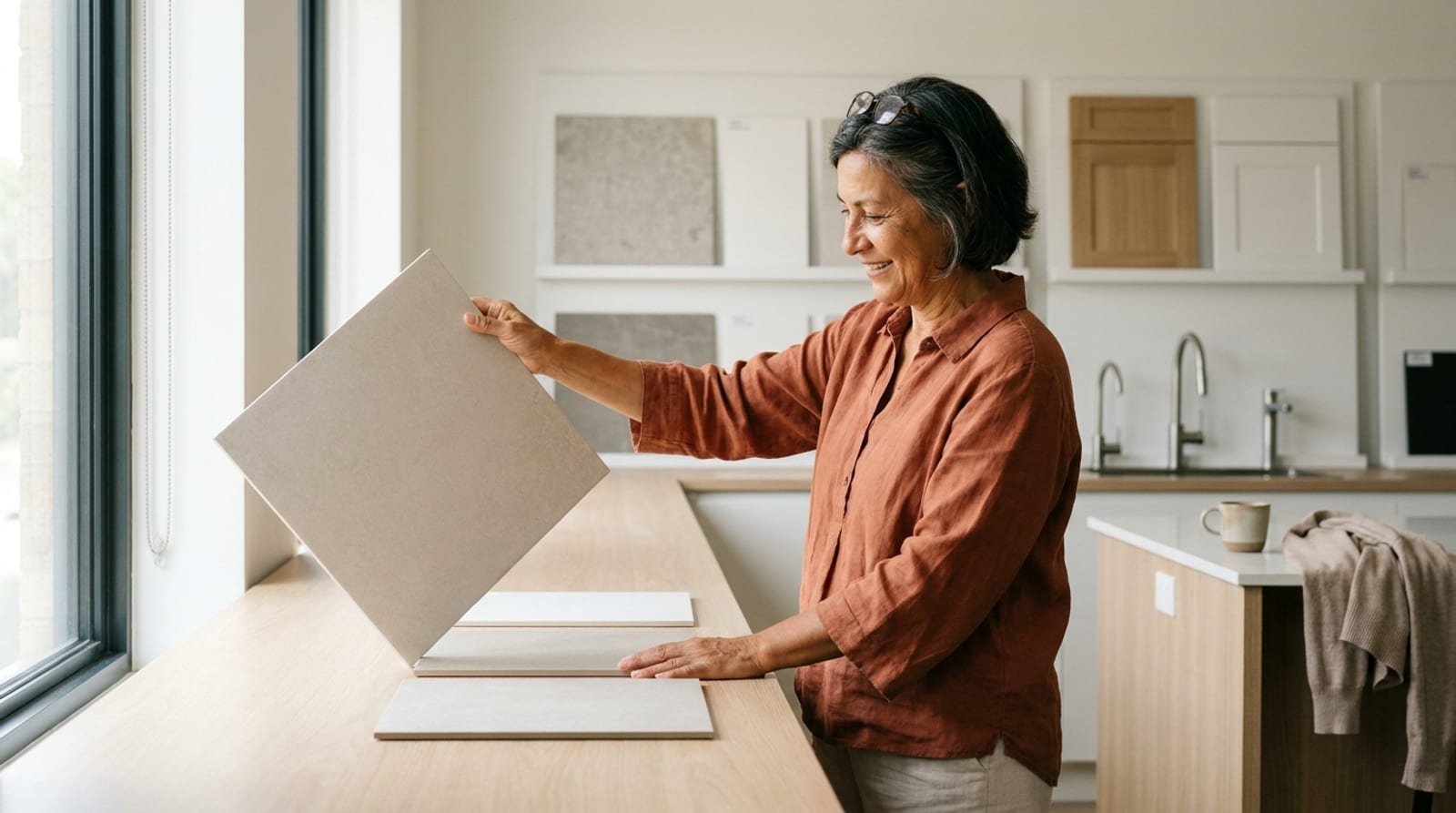
עליה באיכות החיים בפרויקט התחדשות עירונית
- להתחדשות עירונית תפקיד מהותי בהעלאת איכות חיי התושבים. יוזמות התחדשות עירונית מחיות מבנים מזדקנים ומאפשרות לדיירים הקיימים אפשרויות דיור חדשות. על ידי שדרוג תנאי הדיור, התושבים נהנים מסביבת מגורים טובה ובטוחה יותר עם נוחות משופרת.
- השפעתה החיובית של התחדשות עירונית ניכרת גם בעירוב שימושים הנהוג לעיתים שכיחות בפרויקטים אלו. באמצעות כך, התושבים נהנים מנגישות לשירותים, מוסדות חינוך, מקומות עבודה ופנאי. כמו גם קרבה לחנויות, מסעדות, פארקים ומרכזים קהילתיים.
- יצירת סביבה עירונית פונקציונלית ונגישה המעניקה עדיפות לצרכיהם ולרווחתם של התושבים מסייעת ליצור שכונות אטרקטיביות למגורים עם רמת איכות חיים גבוהה.
שיפור תשתיות וקיימות סביבתית בפרויקט התחדשות עירונית
- כחלק מתהליך ההתחדשות העירונית נעשים מאמצים משמעותיים של הרשויות לספק לתושבים שירותים אמינים. עם גידול באוכלוסייה והעיור הגובר, קיים צורך חיוני להבטיח לערים לקיים מערכות עירוניות יעילות. פרויקטים של התחדשות עירונית כוללים לרוב שדרוג ומודרניזציה לתשתיות, לרבות החייאת המרחבים הציבוריים, חיזוק מבנים ומכונתם לחירום והקמת מרכזי חינוך, פנאי, מסחר ותעסוקה.
- היבט משמעותי נוסף הוא פיתוח מערכות תחבורה משודרגות, הכוללות הרחבה ומודרניזציה של כבישים, פיתוח כבישים מהירים ומערכות תחבורה ציבורית. שדרוג צירים חיוניים אלו לא רק מקל על זרימת תנועה חלקה יותר ומפחית עומסים, אלא גם מקדם קישוריות ונגישות בתוך ובין ערים. בנוסף, חידוש התשתיות כולל שדרוג שירותים כגון אספקת מים, מערכות ביוב ורשתות חשמל ותקשורת התורמים לחיי היומיום להיות נוחים יותר.
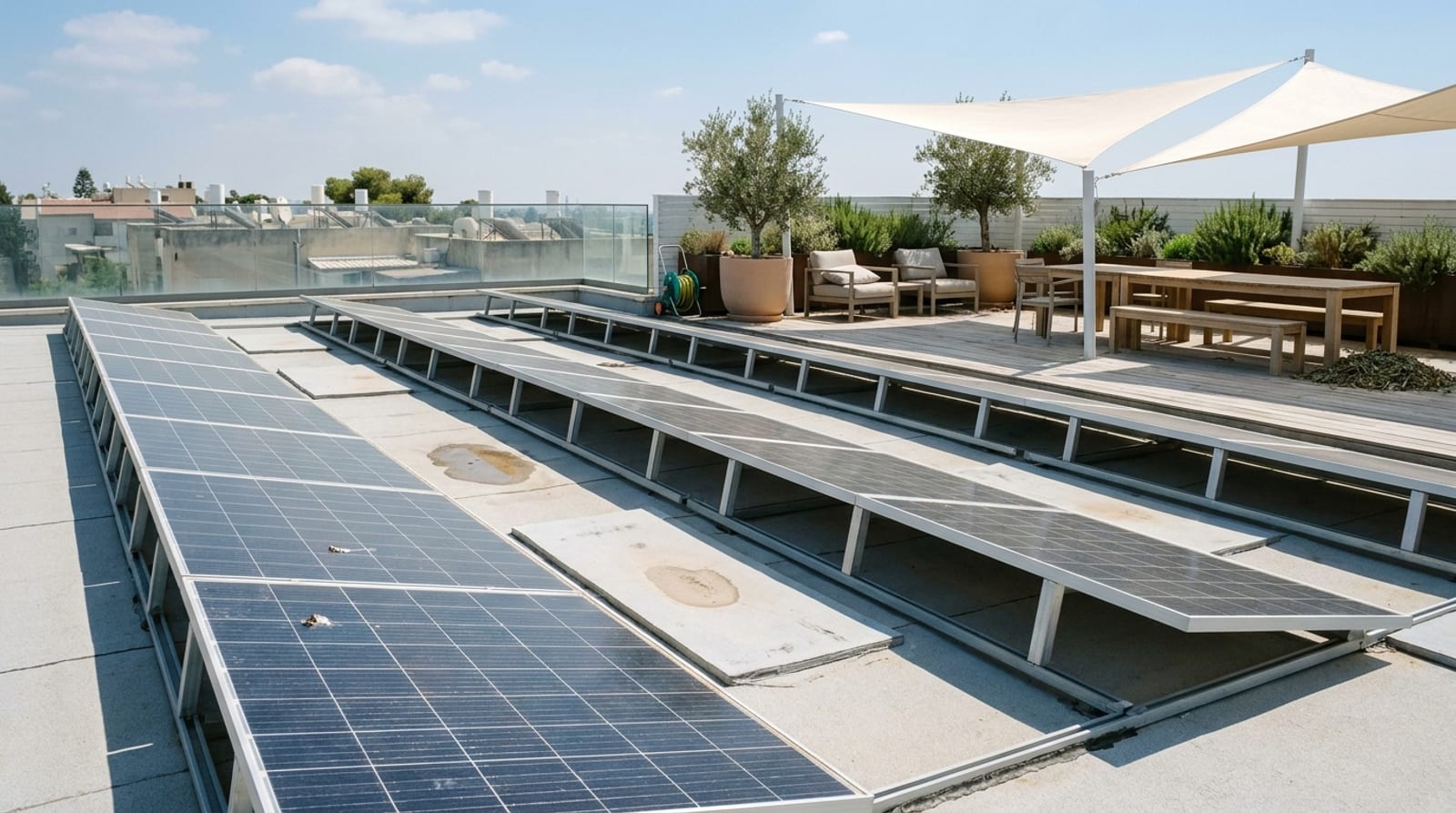
- התחדשות עירונית מקדמת גם קיימות סביבתית ותורמת לסביבה עירונית ברת קיימא, באמצעות יצירת שטחים ירוקים ופארקים המסייעים לשיפור איכות האוויר ותומכים במערכות אקולוגיות, החי והצומח המקומיים, שימוש באנרגיה ירוקה, תחבורה ציבורית ירוקה, מערכות לכלכלה מעגלית, לרבות ניהול ושימוש חוזר במים, וכן ניהול ומחזור פסולת.
דיור בר השגה – מענה למשבר הדיור באמצעות בפרויקט התחדשות עירונית
- משפחות רבות מעוניינות לגור בקרבה אחד ליד השני בנוף ילדותם. ילדים ליד הורים הנצרכים לסיוע ילדיהם, אחות ליד אח, סבא ליד נכדים. אך היצע הדירות באזורי ביקוש מצומצם. ואם קיים, אזי שלרוב המחירים אינם נגישים. התחדשות עירונית היא מענה אולטימטיבי לכך, ומאפשרת הגדלת היצע באזורי ביקוש ובמחירים נוחים יותר ובכך מאפשרת המשך וחיבור בין המשפחה והקהילה.
- התחדשות עירונית מאפשרת להחיות שכונות ישנות שמרבית מבניהן ישנים ורעועים, ולהעמיד במקומם יחידות דיור חדשות בסטנדרטים מתקדמים ולהגדיל את מלאי הדיור.
- כפי שראינו לעיל, התחדשות עירונית כרוכה לרוב בשיפור תשתיות, רשתות תחבורה ושירותים במרחב המשתנה למקום אטרקטיבי למגורים. כתוצאה מכך עולה הביקוש למגורים בשכונות אלו, גורם המאזן מחירים באזורים אחרים ומסייע לדיור בר השגה.
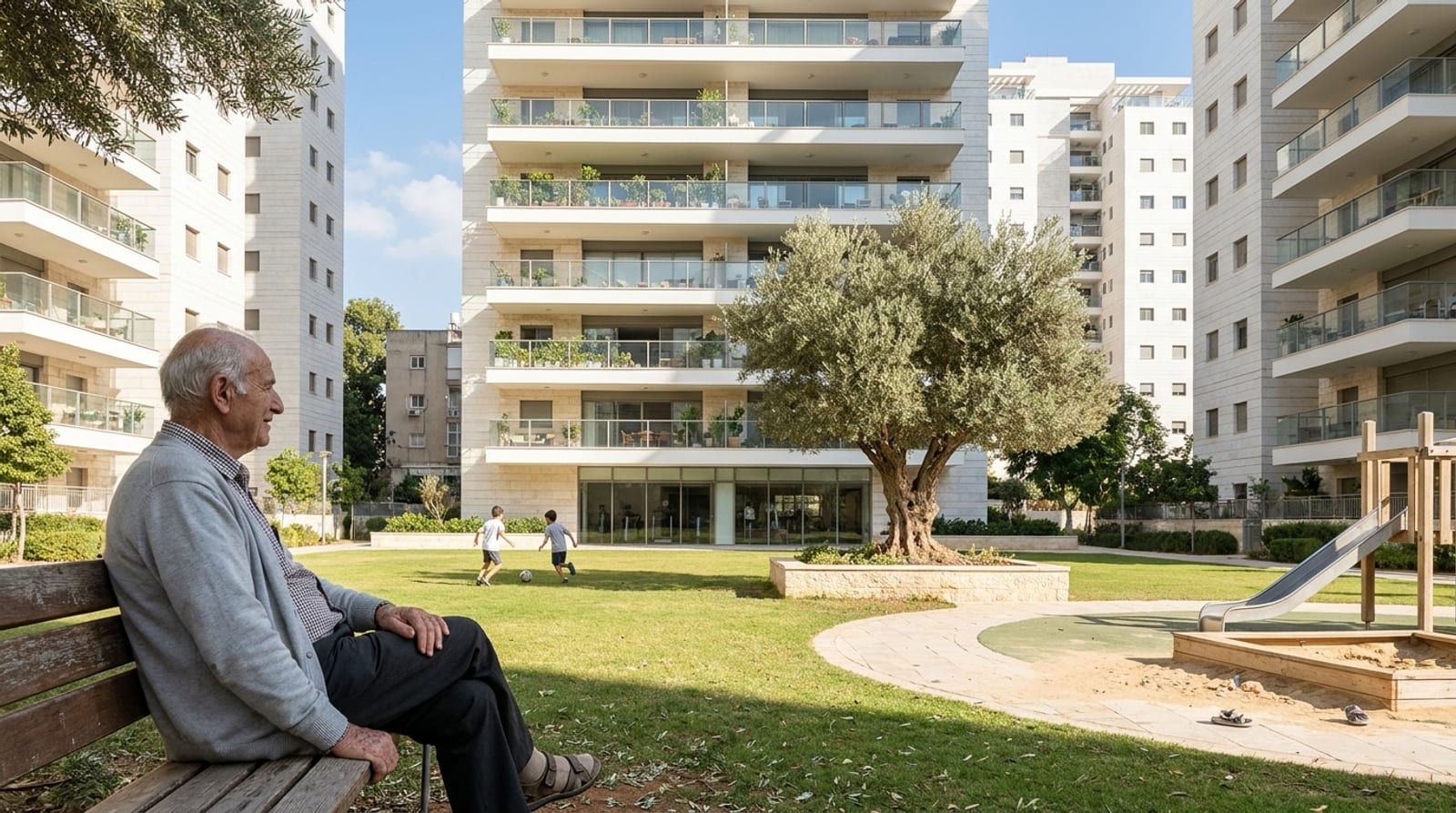
אינטגרציה חברתית ופיתוח כלכלי כתמורה לפרויקט התחדשות עירונית
- יוזמות להתחדשות עירונית ממריצות צמיחה כלכלית על ידי משיכת עסקים, יצירת הזדמנויות השקעה, יזמות ומקומות תעסוקה. פרויקטים רבים בהתחדשות עירונית כוללים עירוב שימושים, המשלבים בין מגורים, למסחר ומוסדות ציבור, והמהווים אבן שואבת לעסקים רבים הרוצים להשתלב בקהילה, ומעניקים סל שירותים קרוב ואיכותי לדיירים.
- התחדשות עירונית מתמקדת גם בשימור המורשת ההיסטורית והתרבותית על ידי שיקום מבנים חשובים, שימור נקודות ציון והחייאת מרחבי תרבות התורמים לתחושת זהות בתוך הקהילה. שימור אלמנטים אלו משפרים את המרקם התרבותי של השכונה ומדגישים את חשיבות הלכידות הקהילתית והחברתית.
- התחדשות עירונית מפתחת חיזוק לכידות חברתית שמאפשר צמצום פערים חברתיים ושוויון הזדמנויות באמצעות אינטראקציה ושילוב אוכלוסיות. ביצירת חללים משותפים, מרכזים קהילתיים ופארקים, לתושבים נוצרת הזדמנויות לתקשר, לבנות מערכות יחסים מפתחות ולטפח תחושת שייכות.
- התחדשות של אזורים עירוניים לא רק מתייחסת להיבטים פיזיים אלא גם מטפחת תחושת גאווה ושייכות בקרב התושבים. לכידות חברתית זו תורמת לקידום סביבה קהילתית, תומכת ומכילה, ויוצרת קהילות תוססות ומשגשגות המקדמות מעורבות קהילתית ומעלה את הרווחה הכללית של יחידים ומשפחות.
המידע לעיל מהווה מידע ראשוני בלבד ואין הוא מהווה ייעוץ משפטי או תחליף לו ואין באמור לעיל בכדי להוות המלצה לנקיטת הליכים ו/או להימנעות מהם. מומלץ להיוועץ עם עו"ד העוסק בתחום בטרם נקיטת כל פעולה. למען הסר כל ספק, האחריות לכל תוצאה בשל הסתמכות על האמור לעיל תחול על המשתמש בלבד.
שאלה על הנושא הזה בתיק שלכם? כתבו לנו — נענה לגופו של עניין, לא בכלליות.
מקור מועדף מאפשר לכם לראות את המאמרים החדשים שלנו יותר ב“כתבות מובילות”, כשתחפשו שוב נושא מהתחום. וזו הזדמנות טובה גם לפרגן לנו.
הוספה כמקור מועדף ב-Google (נפתח בלשונית חדשה)
מידע כללי — לא ייעוץ משפטי.